

Call Our Experts!
Call Our Experts!

When deciding between vinyl siding and wood for your home, consider what is most important to you. Wood provides classic good appearances and insulation, while vinyl is durable, easy to maintain, and inexpensive.
Both can withstand the hot and humid Louisiana climate. Knowing their advantages and disadvantages will set you on the right course in choosing the siding that best suits your style, budget, and durability needs. Discuss these factors with us to help make your choice. Dream up your house with our beautiful siding. Call for a free quote today!
When weighing wood versus vinyl siding, there are certain benefits to each in the areas of looks, costs, and longevity. Wood siding appeals to those homeowners who desire that authentic, old-look appearance, but it requires constant upkeep to handle weathering.
It is expensive with a huge initial cost averaging $8.43 to $12.39 per square foot. Added to this will be the maintenance cost in the long term.
Vinyl provides another choice—$1.21 to $12.15 per square foot—that will not break your arm and does not need constant upkeep. Its unparalleled resistance to fading, chipping, and cracking ensures a sense of long-lasting beauty needed in the humid and hot Louisiana weather.
Vinyl is a good insulator with a 4.0 R-value, meaning it’s cost-effective and green. It’s because of that reason that choosing the right siding is most important—to provide you with long-term value, great appearance, and protection.
 When comparing wood and Vinyl siding, it’s critical to learn their main attributes. Both offer different advantages, and that’s promising for property owners. Reflect on factors like durability, upkeep, price, energy efficiency, and adaptability to conclude which of them is most suitable.
Wood siding offers natural beauty, flexibility of installation (can be installed on the diagonal, vertically, or horizontally), and eco-friendliness if harvested in a responsible manner. It’s at its best when it has to do with curb appeal, but needs occasional maintenance to prevent rotting as well as termite infestation.
Vinyl siding is made of a heavier gauge plastic. It’s low maintenance, highly colored and textured, and tough enough to withstand extreme weather. It’s not biodegradable, however, and builds up in landfills.
Biodegradable wood siding material sequesters carbon, providing environmental savings. Wood that has been sustainably harvested is a great option for green building overall.
Even recycled, as it is not like wood, which can be recycled, it will end up at the landfill someday. Vinyl contains very strong toxins that are released when it’s burned.
In terms of appearance, wood siding is an actual beauty, whereas color fades in sections with vinyl after a while, although it’s an exact look-alike for wood.
Overall, vinyl siding is a highly durable, long-lasting, and cost-effective option for exterior house siding, especially in regions where weather conditions are harsh such as Louisiana. It is so popular because it has very resistant, low-maintenance characteristics and can mimic many various styles, thus making it an appropriate choice among siding options for homeowners.
Vinyl siding is also renowned for its unequaled durability and low maintenance. It does not permit moisture, pest infestation, or thermal expansion easily, thus it performs most optimally in humid, subtropical, and even tropical environments commonly ravaged by intense storms.
Durable enough to last 30-50 years and non-chipping, non-fading, and non-cracking, vinyl brings with it assurance in the form of lasting a long time. The residents of a house get to love the unrivaled color choice and finish range—offering such extreme design flexibility that it looks good alongside a modern as well as older aesthetic.
First and above all, vinyl is very affordable and even cheaper than wood. It’s highly energy efficient with an R-value of 4.0 and is Energy Star certified. And with its termite resistance, you won’t have to worry about termites or wood decay, so your home is more secure than ever before.
While effective, vinyl siding may lack the rich, organic appearance of wood, which some homeowners appreciate for its warmth and personality. Having said that, extreme cold will cause cracking—though more recent materials do have greater resistance to cold-weather performance.
Without expertise or care, the board will bubble or warp, supporting the need for skilled labor. With all the benefits of utilizing recycled materials in its production to minimize waste, environmental concerns are an issue with vinyl’s wholly man-made composition.
Lastly, it is regarded as not being as good in quality as wood sometimes, which could affect resale value to some buyers.
Wood siding has old-world elegance that no other material can compete with. From its stunning elegance, versatility, and eco-friendly aspects, you can never be wrong with wood siding.
However, like with any material, wood also has some drawbacks. Being aware of its advantages and disadvantages allows homeowners to determine whether it is ideally suited for the scope, expense, and importance of their home improvement project.
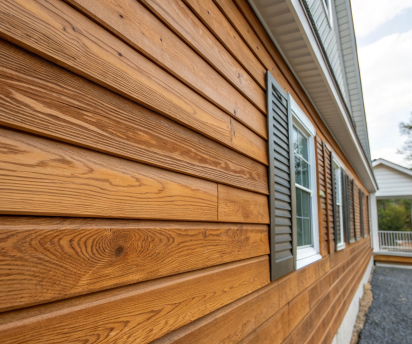
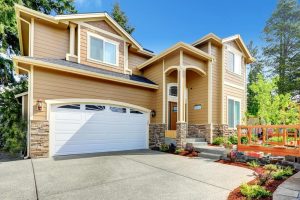 Wood siding’s unmistakable warmth and personality count a great deal when it comes to a home’s curb appeal. It lends timelessness, your cedar shakes through to your clapboards and to your board-and-batten look. The natural texture of the wood and the rich grain contribute to a deep fascination and each installment is different.
Its resistance to duplication and high-end look can drive resale value higher, as people will tend to view wood as an indicator of quality and elegance. Wood siding can be stained or painted to complement almost any hue, giving you the freedom to customize it to cater to both older and newer home designs.
Since it is derived from renewable resources, wood is a more eco-friendly option for green homeowners. Wood’s natural insulation property minimizes energy expenditure, providing warm interiors in the summer and winter months.
Though beautiful, the wood siding must be regularly painted or stained to keep it looking great and prevent deterioration from the elements. Painting or staining is required every 4-6 years, and if left untreated, wood will face a multitude of potential failures including warping, cracking, and rotting.
Pests, such as termites, are a second big consideration, particularly important in humid states such as Louisiana. The upfront cost of wood siding is usually quite a bit more than other siding options, especially vinyl.
First, repairs aren’t cheap, and second, the lifespan of wood siding too often hinges on the level of care it receives. Vinyl, on the other hand, is extremely quick and easy to maintain, thanks to its weather-resistant, durable characteristics often supported by long warranty coverages, practical for many consumers.
Choosing between wood and vinyl for your home is contingent upon what’s most important to you. Wood gives time-tested beauty and coziness, and vinyl is resistant and maintenance-free. Consider budget, beauty, and the weather in Louisiana. Vinyl resists most weather, but wood offers natural beauty for people concerned about appearance.
Each material has its advantages, so pick according to your needs. If you want some help in finding your choices, we are here to provide you with that. Let’s make the curb appeal and energy efficiency of your home better with Big Easy Sidings. Book a complimentary consultation today to make your dream home a reality!
 Big Easy Sidings