

Call Our Experts!
Call Our Experts!

Summary
James Hardie fiber cement siding performs well in Covington, LA, but Louisiana’s heat and humidity demand regular cleaning, mold prevention, and timely repairs to keep it looking sharp and lasting decades. Big Easy Sidings helps Covington homeowners maintain, repair, and replace fiber cement siding with quality workmanship and a free estimate on every project.
Covington sits on the north shore of Lake Pontchartrain, surrounded by mature trees, high water tables, and the kind of sustained humidity that punishes exterior surfaces year-round. Homes here face long stretches of 80-plus-percent relative humidity from May through October, and afternoon thunderstorms leave moisture sitting on siding for hours. That combination accelerates mold growth, paint breakdown, and joint deterioration faster than in drier climates. Big Easy Sidings works with Covington homeowners to keep James Hardie fiber cement siding performing at its best in these conditions.
James Hardie siding is designed to resist rot, warping, and insect damage, making it one of the strongest choices for Louisiana’s St. Tammany Parish climate. But “resistant” does not mean “maintenance-free.” Without a regular care routine, even this durable material can develop surface mold, cracked caulk lines, and faded paint that shortens its effective lifespan. The good news: a straightforward maintenance plan keeps your siding looking great and performing well for 30 years or more.
Clean your James Hardie siding every 6 to 12 months using a garden hose, a soft-bristle brush, and mild dish soap mixed with water. In Covington’s humid environment, cleaning twice a year is the better choice to prevent organic buildup from gaining a foothold.
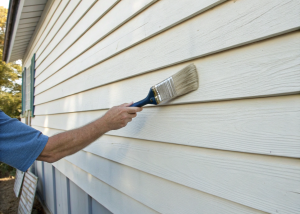
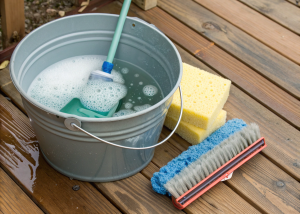
Start by dry-brushing loose dirt and debris from the surface with a soft, non-metallic brush. Then rinse the siding from top to bottom using a standard garden hose. For stubborn spots, apply your soap solution with a sponge or soft cloth and scrub gently. Rinse again to remove all soap residue before it dries.
Avoid pressure washing whenever possible. High-pressure water can force moisture behind panels and into wall cavities, which is especially risky in Covington where trapped moisture has nowhere to go in the humid air. If you must use a pressure washer, stay below 1,500 PSI and keep the nozzle at least 12 inches from the surface. Never use abrasive pads, metal scrapers, or harsh chemical cleaners, as these damage the factory-applied ColorPlus finish or any topcoat paint.
Mold and mildew thrive in Covington’s warm, shaded, and humid conditions. Preventing growth requires a combination of good airflow around your home’s exterior, proper drainage, and routine cleaning before colonies establish themselves.
Look for black, green, or white spots on your siding, especially on north-facing walls and areas shaded by live oaks or other trees common to the Covington area. These are the first signs of mold or mildew colonization. Inspect after heavy rains and during the summer months when conditions are most favorable for growth.
To remove existing mold, use a commercially available mildew cleaner or a diluted dish soap solution applied with a soft-bristle brush. Avoid bleach and harsh chemicals, which can damage the siding finish and may void your James Hardie warranty. Always spot-test any new cleaner on a small, inconspicuous area first.
For long-term prevention, trim shrubs and tree branches to maintain at least 6 inches of clearance between vegetation and your siding. Make sure gutters drain water away from the house, and keep soffit and ridge vents clear so moisture can escape from behind the wall assembly. Proper ventilation is the single most effective weapon against mold in Louisiana’s climate.
Catching and fixing minor damage early prevents water intrusion that leads to costly structural repairs. The three most common issues on Covington homes are hairline cracks, deteriorated caulk joints, and nail pops, all of which homeowners can address with basic tools and materials.
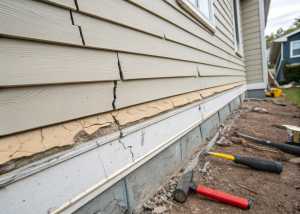
Fixing cracks: Clean the damaged area with soap and water, let it dry completely, and fill the crack with a fiber cement patching compound. Once cured, sand the patch smooth and touch up with 100% acrylic exterior paint that matches your siding color. James Hardie’s ColorPlus Touch-up Kits work well for factory-finished boards.
Replacing caulk: Cut out old or cracked caulk with a utility knife. Apply a high-quality, paintable exterior caulk to the joint, smooth it with your finger, and let it cure fully before painting or exposing it to rain. In Covington’s climate, caulk joints break down faster than in drier regions, so inspect them at least twice a year.
Addressing nail pops: Re-seat or replace the popped nail with a corrosion-resistant fastener. Fill the hole with patching compound, let it dry, sand smooth, and repaint. Nail pops often show up after heavy storm seasons when repeated wind loading stresses fastener connections.
A twice-yearly inspection schedule tied to Louisiana’s weather patterns catches problems at the right time. The best windows are early spring (before humidity peaks) and late fall (after hurricane season ends).
| Season | Task | Why It Matters in Covington |
|---|---|---|
| Early Spring (March/April) | Full cleaning, caulk inspection, repaint touch-ups | Prepares siding before summer humidity and storm season |
| Late Fall (November) | Post-storm damage check, mold inspection, drainage review | Catches hurricane or storm damage before winter moisture settles in |
| After Any Major Storm | Walk the perimeter, check for cracks, loose panels, debris impact | Wind-driven rain and flying debris cause damage that worsens quickly if ignored |
Homeowners in Covington who follow this schedule typically avoid the large-scale repairs that come from years of deferred maintenance. Spending 30 minutes twice a year on inspections saves thousands in panel replacements down the road.
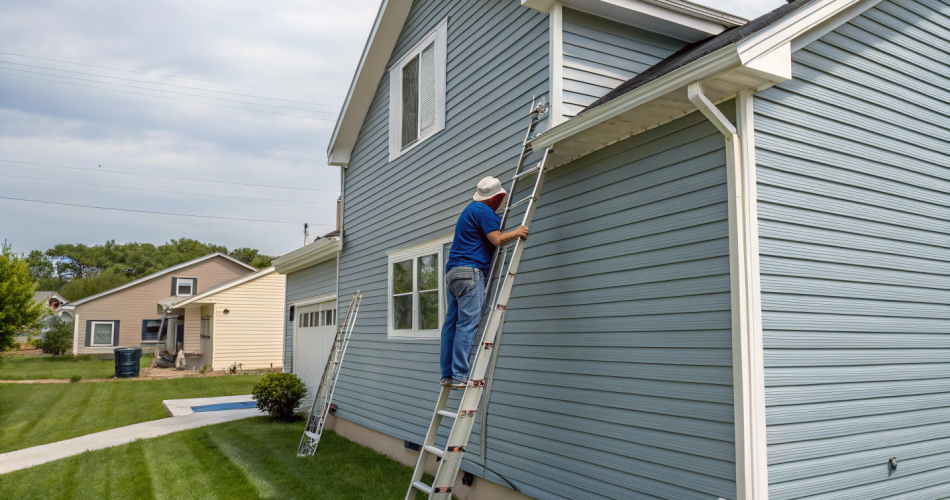
Some siding issues go beyond what a homeowner can safely or effectively handle. If you notice buckled or warped panels, widespread mold that returns after cleaning, moisture damage behind the siding, or impact damage from storm debris, it is time to bring in a licensed siding contractor. Attempting structural repairs without the right knowledge can void your James Hardie warranty and create hidden moisture problems that worsen over time.
After a hurricane or severe storm, have your siding inspected even if no visible damage is obvious. Wind-driven rain can push water behind panels through gaps that are not visible from ground level. A thorough post-storm inspection identifies these hidden entry points before they cause rot or mold inside the wall cavity. If your Covington home has older wood siding that you are considering replacing with fiber cement, that is another conversation worth having with a contractor who understands local building conditions.
James Hardie siding gives Covington homeowners a durable, attractive exterior that stands up to Louisiana’s toughest weather. But it rewards consistent care. Regular cleaning, quick attention to small repairs, and seasonal inspections keep your siding performing at its best and protect your home’s value for decades.
Big Easy Sidings provides James Hardie siding installation and repair throughout the Covington area and across southeast Louisiana. Whether you need maintenance guidance, storm damage repair, or a full siding replacement, call 504-608-7163 or request your free estimate online.
We serve New Orleans, Baton Rouge, Covington, Gretna, Hammond, Kenner, Metairie, Slidell, and throughout Louisiana.
Clean it every 6 months. Covington’s high humidity and tree cover promote faster mold and dirt buildup than drier climates, so twice-yearly cleaning is the recommended schedule.
It is not recommended. If you must, stay below 1,500 PSI and keep the nozzle at least 12 inches away. A garden hose with a soft brush is safer and effective for routine cleaning.
Sustained humidity, warm temperatures, shade from trees, and poor airflow around the home create ideal conditions for mold. Trimming vegetation and maintaining ventilation are the best defenses.
With regular cleaning, timely repairs, and repainting when needed, James Hardie siding can last 30 years or more, even in Louisiana’s demanding climate.
Inspect caulk joints twice a year. Replace any caulk that is cracked, pulling away from the siding, or missing entirely. In Covington’s heat and humidity, caulk tends to deteriorate faster than the manufacturer’s general timeline suggests.
 Big Easy Sidings