

Call Our Experts!
Call Our Experts!

Summary
The top siding colors for New Orleans homes in 2026 include warm neutrals, coastal off-whites, deep navy blues, earthy greens, and soft charcoal. Each of these options balances curb appeal with the heat reflection and moisture resistance that Louisiana’s climate demands. Big Easy Sidings helps homeowners across the New Orleans metro area choose siding colors that last and perform.
Choosing the right siding color in New Orleans is no longer just about aesthetics. It is a strategic decision influenced by climate, architecture, and long-term property value. Homeowners across the city are becoming more intentional about exterior design, focusing on colors that can withstand intense sun, high humidity, and seasonal storms while still maintaining visual appeal. At Big Easy Sidings, we have observed a significant shift in homeowner preferences toward modern yet regionally appropriate palettes, driven by both design trends and practical performance considerations.
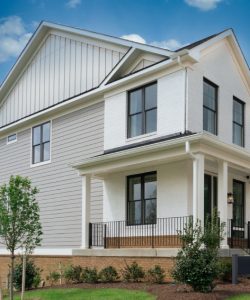 The exterior of your home plays a vital role in first impressions, energy efficiency, and resale value. In a city like New Orleans, where environmental conditions are demanding, siding color must perform beyond aesthetics.
Heat reflection is becoming a priority due to rising temperatures across southern Louisiana. Lighter shades and reflective coatings help reduce heat absorption, improving indoor comfort and lowering energy costs. At the same time, moisture resistance is essential. Darker tones can show mold, mildew, and weathering more visibly over time, which is a real concern in the humidity that blankets the Gulf Coast from April through October.
Visual appeal also directly impacts how homes are perceived when listed for sale. High-quality, trend-aligned siding colors can influence buyer interest and overall property value, especially in sought-after neighborhoods like the Garden District, Uptown, and Lakeview.
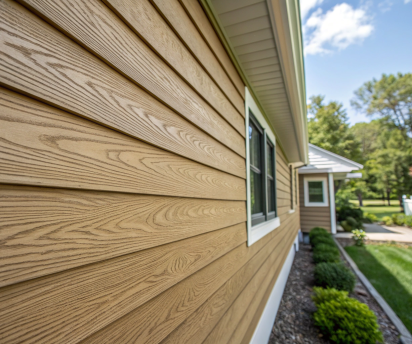
Warm neutrals are leading the way in 2026, replacing cooler gray tones that dominated previous years. Colors such as creamy beige, soft taupe, and warm sand are becoming the go-to choices for homeowners who want a timeless yet updated look.
These shades work exceptionally well with New Orleans’ historic architecture, blending seamlessly with the traditional elements found on shotgun houses and Creole cottages while still feeling fresh. They also perform well in bright sunlight, maintaining their tone without appearing washed out. Warm neutrals are highly versatile, allowing homeowners to experiment with contrasting trims, shutters, and accents without overwhelming the overall design.
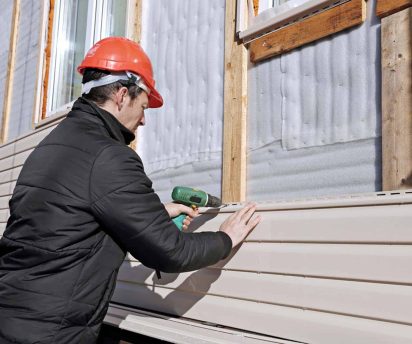
For homeowners considering a full siding replacement, vinyl siding offers a wide range of warm neutral shades that hold their color well in Louisiana’s climate.
White siding remains a staple, but in 2026 it is evolving into softer, more complex tones. Stark whites are being replaced with off-whites that carry subtle undertones of cream, gray, or even blush.
These shades reflect heat efficiently, making them ideal for the Louisiana climate. They also create a clean, elevated appearance that enhances architectural details such as columns, moldings, and porches. Coastal whites are particularly effective in neighborhoods like the French Quarter and Marigny, where maintaining a light, airy aesthetic aligns with the surrounding environment and historic district guidelines.
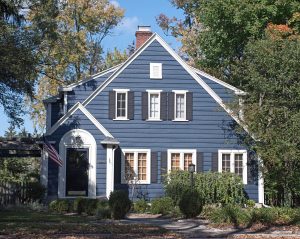 Blue tones are becoming a dominant feature in exterior design, especially in deeper, richer variations. Navy blue and slate blue offer a sophisticated alternative to black or charcoal while still providing strong contrast.
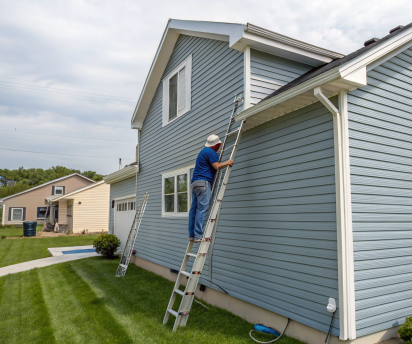
These colors pair beautifully with white trim and natural wood elements, creating a balanced and visually appealing exterior. In New Orleans, where bold color expression is part of the culture, deep blues offer a refined yet expressive option. They also hide dirt and wear better than lighter colors, making them a practical choice for long-term maintenance.
Natural wood siding can be stained in rich navy and slate tones, giving New Orleans homes an authentic look that complements both traditional and modern architecture.
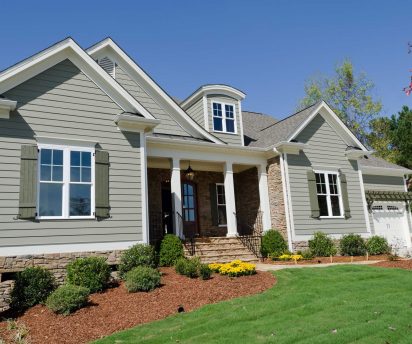
Green siding is gaining traction as homeowners seek to connect their homes with natural surroundings. Shades like olive, sage, and moss green are becoming increasingly popular in 2026.
These tones work particularly well in areas with lush landscaping, creating a cohesive outdoor environment. They also provide a calming, organic feel that contrasts nicely with the urban density of neighborhoods like Mid-City and Bywater. Earthy greens are not only visually appealing but also align with sustainability trends, making them a preferred choice for eco-conscious homeowners.
Dark siding colors are making a strong statement in 2026, especially in modern and renovated homes across the New Orleans metro. Charcoal gray and soft black are being used to create bold, dramatic exteriors.
While these colors absorb more heat, advancements in siding materials and coatings are helping mitigate this issue. When used strategically on accent walls or paired with lighter elements, they can elevate the overall design without compromising performance. James Hardie fiber cement siding is an excellent option for dark tones because it resists heat absorption better than many alternatives and holds color exceptionally well in humid conditions.
New Orleans presents a unique set of environmental challenges that directly impact siding performance. High humidity levels can lead to mold growth, while intense sunlight can cause fading and discoloration. The annual hurricane season (June through November) adds another layer of concern, with wind-driven rain and storm debris putting exterior surfaces to the test.
Choosing the right color involves understanding how it will react over time. Lighter shades tend to reflect sunlight and resist fading, while darker tones may require higher-quality materials and finishes to maintain their appearance. Storm resilience is another factor. Siding colors that hide dirt, water stains, and debris are often preferred, especially in flood-prone areas near Lake Pontchartrain and along the Mississippi River corridor.
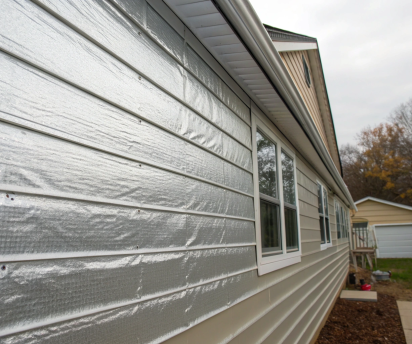
Adding a radiant barrier behind your siding can further improve energy efficiency regardless of the color you choose, reducing attic temperatures by reflecting radiant heat away from your living space.
While it is important to stay updated with current trends, siding is a long-term investment. Homeowners should aim for colors that will remain appealing for years, not just seasons.
Neutral bases with bold accents offer the best of both worlds. This approach allows for easy updates through trim, shutters, or landscaping without requiring a full siding replacement. Timeless design also plays a crucial role in property value. Homes with classic, well-executed color schemes tend to perform better in the New Orleans real estate market, attracting a broader range of buyers.
Color does not exist in isolation. It interacts with the material and texture of the siding. Vinyl, fiber cement, and wood each reflect light differently, affecting how a color appears throughout the day.
For example, matte finishes can soften bold colors, while glossy finishes enhance brightness and contrast. Grain textures can add depth, making even simple colors appear more dynamic. Understanding these interactions is essential for achieving the desired look and ensuring consistency across different lighting conditions, particularly in New Orleans where the angle and intensity of sunlight shifts dramatically between seasons.
The most successful exterior designs in 2026 are not just about a single color but how multiple elements work together. Siding, trim, roofing, and landscaping must all be considered as part of a cohesive system.
A popular approach is to use a dominant neutral color for the siding, complemented by darker trims and natural wood accents. This creates visual interest without overwhelming the design. Another effective strategy is contrast layering, where light and dark tones are used to highlight architectural features. This technique enhances depth and makes the home more visually engaging, a principle well understood in the colorful streetscapes of New Orleans.
Looking beyond 2026, siding color trends are expected to become even more personalized. Design tools are already helping homeowners visualize outcomes and choose colors based on environmental data specific to their location in southern Louisiana.
Sustainability will also play a larger role, with more emphasis on eco-friendly materials and finishes. Colors that reflect heat and reduce energy consumption will continue to gain popularity as utility costs rise and Louisiana homeowners prioritize efficiency.
Selecting the right siding color for your New Orleans home requires a balance of style, performance, and long-term value. From warm neutrals and coastal whites to bold charcoals and earthy greens, the trends for 2026 reflect a shift toward intentional, climate-aware design that suits Louisiana living.
Big Easy Sidings helps homeowners navigate these choices with confidence, ensuring that every exterior upgrade aligns with both current trends and future durability. We serve New Orleans, Baton Rouge, Covington, Gretna, Hammond, Kenner, Metairie, Slidell, and throughout Louisiana.
If you are planning to refresh your home’s exterior, now is the time to explore siding colors that will stand the test of time while enhancing your property’s curb appeal. Call 504-608-7163 or request a free estimate online to get started.
Light-colored siding such as off-white, beige, and soft gray is ideal for hot climates because it reflects sunlight and helps maintain cooler indoor temperatures.
Dark colors can be used effectively as accents or in modern designs, but they should be paired with high-quality materials that resist heat absorption and fading.
Opt for timeless, neutral colors with broad appeal. Avoid overly bold or trendy shades that may not attract future buyers.
Yes, prolonged exposure to sunlight and humidity can cause fading. Choosing UV-resistant materials and finishes can significantly reduce this effect.
While it is not mandatory, aligning your siding color with surrounding homes can improve visual harmony and potentially increase resale value, especially in historic districts.
Most siding lasts between 15 to 30 years depending on the material. Regular maintenance and cleaning can extend its lifespan significantly, even in Louisiana’s humid climate.
 Big Easy Sidings