

Call Our Experts!
Call Our Experts!

Every New Orleans homeowner knows the feeling: hurricane season rolls around, and suddenly every creak in the house sounds louder. Your roof gets a lot of attention during storm prep, but your siding is just as exposed. It is the first barrier between your home’s structure and 100+ mph winds, driving rain, and airborne debris. Choose the wrong material, or hire someone who cuts corners on installation, and your siding can peel away mid-storm, leaving your walls open to water damage that takes months and thousands of dollars to repair.
The good news is that the right hurricane-resistant siding makes a measurable difference, and New Orleans homeowners have more options today than ever before. This guide breaks down what actually makes siding storm-ready, which materials hold up best in Louisiana’s climate, and what to look for when you are ready to upgrade.
The New Orleans metro sits at one of the most climatically demanding intersections in the country. Homes here do not just face hurricane-force winds, they also deal with year-round high humidity, intense UV exposure, and the kind of driving rain that horizontal wind turns into a pressure washer against your exterior walls. That combination accelerates the wear on every siding material differently.
Standard residential siding is typically rated for winds in the 90-110 mph range. Named storms regularly exceed that here. What looks fine on the outside after a near-miss can hide water intrusion at seams, fastener pull-through, or buckled panels that will not seal properly when the next storm arrives. Storm-readiness is not a one-time upgrade, it is a baseline your siding should be designed to meet from day one.
Not every product marketed as storm-resistant is rated the same way. When evaluating siding for a New Orleans home, look at three core performance factors:
Hurricane-grade siding is tested and certified to specific wind speeds. Look for products rated to at least 130 mph for the New Orleans area. Some fiber cement products carry ratings up to 200 mph when properly installed. The rating is only valid when the product is installed with approved fasteners at the manufacturer’s specified spacing.
Wind speed alone does not tell the full story. Windblown debris, branches, gravel, and even pieces of neighboring structures, is what causes most physical siding damage during a hurricane. Impact-resistant siding is tested to withstand projectile impacts at storm speeds without cracking, splintering, or delaminating.
Louisiana’s humidity means your siding faces moisture stress 365 days a year, not just during storms. Siding that absorbs water expands, contracts, and eventually warps, creating gaps that let water behind the wall. True storm-ready siding resists moisture penetration under sustained driving rain, not just a light shower.
Fiber cement is the gold standard for hurricane-prone regions, and James Hardie is the most recognized name in the category for good reason. James Hardie siding is engineered to resist wind, moisture, impact, and fire. It does not warp, swell, or rot. It holds paint longer than wood. And it is specifically tested and rated for performance in high-wind coastal zones.
James Hardie products use HardieZone technology, which means the formulation is tuned for the specific climate zone of installation. For Louisiana, that means a product designed for hot, humid, storm-exposed conditions, not a generic formulation shipped from a warehouse.
For New Orleans homeowners, James Hardie fiber cement is the most durable long-term investment you can make in your exterior. Its combination of wind rating, impact resistance, and moisture performance is unmatched by any of the other materials in this comparison.
Standard vinyl siding is not a storm-ready choice. It can flex and pop off its fasteners in high winds, and once a panel is gone, water has unrestricted access to your sheathing. However, not all vinyl is equal. Hurricane-rated vinyl siding uses heavier gauge material, tighter locking profiles, and is installed with additional fasteners to increase wind resistance.
For homeowners who prefer vinyl for its lower cost and low maintenance requirements, selecting a hurricane-rated product and pairing it with proper installation is non-negotiable in the New Orleans area. It will not match the impact resistance of fiber cement, but properly installed hurricane-rated vinyl performs significantly better than standard residential vinyl in high-wind events.
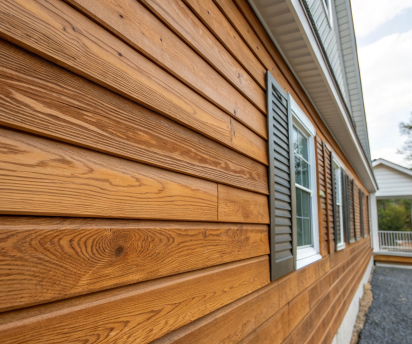
Wood siding is beautiful and offers genuine character that synthetic materials cannot fully replicate. But it requires more maintenance in Louisiana’s climate than either fiber cement or vinyl, and it is more vulnerable to moisture penetration if sealants are not kept current. If you choose wood, commit to a regular repainting and resealing schedule, and ensure your installer uses proper moisture barriers and flashing at every seam and penetration point. Wood is a viable choice for homeowners who love the aesthetic and are committed to upkeep, but it is not the lowest-maintenance storm option.
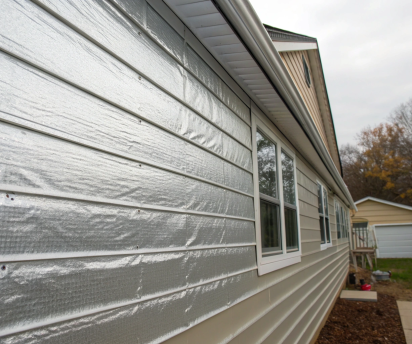
Storm prep is not just about what happens during the storm. It is also about what happens to your home in the months between hurricane seasons. New Orleans summers are brutal, and a radiant barrier installed alongside your siding upgrade works to reflect radiant heat away from your home, reducing cooling loads and protecting your interior from the thermal stress that Louisiana’s heat generates year-round.
When you are already investing in a siding replacement, adding a radiant barrier is one of the smartest efficiency moves you can make. It addresses two of the biggest challenges New Orleans homes face at the same time: storm resistance on the outside and heat management on the inside.
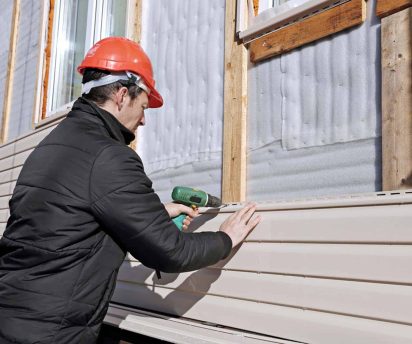
The material rating on a siding product is only achievable when the installation meets the manufacturer’s specifications. This means the right fastener type, the right spacing, the correct overlap at seams, proper flashing around windows and doors, and an approved moisture barrier underneath. A premium product installed incorrectly can fail in a storm that a correctly installed standard product survives.
This is why working with a licensed, insured siding contractor matters so much in the New Orleans area. An experienced local contractor knows the specific wind loads the area requires, understands Louisiana building codes, and can certify that the installation meets the product’s rated performance standards.
In many cases, yes. Louisiana homeowners’ insurance has become one of the most expensive in the country, and insurers are increasingly recognizing the value of storm-resistant building materials. Upgrading to impact-resistant, high-wind-rated siding may qualify your home for a discount on your homeowners’ insurance premium. The specific discount varies by insurer and policy, so it is worth contacting your insurance provider directly when you are planning a siding upgrade to ask about wind mitigation credits.
At minimum, storm-rated siding reduces the risk of a major claim, which matters for your long-term insurability and premium trajectory in a market where coverage can be difficult to maintain after repeated claims.
Waiting until after a hurricane to think about your siding is too late. The best time to upgrade is before storm season puts your home to the test. Big Easy Sidings is a licensed and insured siding contractor serving New Orleans and the surrounding metro area. We install James Hardie fiber cement siding, hurricane-rated vinyl siding, wood siding, and radiant barriers, and we will help you find the right combination for your home, your budget, and your storm-readiness goals.
Call us at 504-608-7163 (Mon-Fri, 8 AM – 3 PM) or request a free quote online. Your home deserves the best protection Louisiana has to offer.
Fiber cement siding, particularly James Hardie products, is widely regarded as the most hurricane-resistant siding option available for residential homes. It combines high wind ratings, impact resistance, and moisture resistance in a single product engineered for coastal and storm-prone climates.
Standard vinyl siding is not recommended for hurricane-prone areas without upgrades. Hurricane-rated vinyl, installed with heavier gauge panels, tighter locking profiles, and additional fasteners, performs significantly better than standard vinyl and can be an appropriate choice when budget is a primary consideration. Always confirm the product’s wind rating before installation.
It can. Many Louisiana insurers offer wind mitigation discounts for homes with impact-resistant or high-wind-rated exterior materials. Ask your insurer about their specific criteria for siding wind mitigation credits before selecting a material, so you can choose a product that qualifies.
Installation quality is as important as the material itself. A siding product’s rated wind resistance is only achievable when the product is installed according to manufacturer specifications, with the correct fasteners, spacing, flashing, and moisture barrier. Always hire a licensed, insured contractor with experience in storm-rated installations.
Yes. Big Easy Sidings serves New Orleans and the surrounding metro area, including Metairie, Kenner, Slidell, Mandeville, and many other communities across the region. Contact us to discuss your home’s specific siding needs and to request a free quote
 Big Easy Sidings