

Call Our Experts!
Call Our Experts!

Summary
For Hammond, LA homeowners choosing between wood siding and vinyl siding, the best option depends on your budget, maintenance tolerance, and aesthetic priorities. Wood delivers natural beauty and strong curb appeal but requires repainting every 4 to 6 years and is vulnerable to Louisiana humidity and termites. Vinyl costs less upfront, resists moisture and pests, and can last 30 to 50 years with minimal upkeep. Big Easy Sidings installs both materials across Hammond and the greater New Orleans metro area.
Table of Contents
If you own a home in Hammond, LA, the siding on your exterior is doing more than holding up appearances. It is your first layer of defense against summer heat that pushes past 90 degrees, hurricane-season wind gusts, and the kind of year-round humidity that accelerates rot and mold growth. Choosing between wood and vinyl siding is one of the most consequential decisions you will make for your property, and the right answer depends on how you weigh cost, maintenance, and long-term durability in a subtropical climate. Big Easy Sidings installs both materials throughout Hammond and the surrounding Tangipahoa Parish area, and this guide breaks down the honest trade-offs so you can decide with confidence.

Both wood and vinyl have legitimate strengths, but they perform very differently in the Louisiana climate that Hammond shares with the rest of the southeastern part of the state. Wood siding appeals to homeowners who want a natural, traditional look. It has genuine texture and grain that no manufactured product fully replicates. But that beauty comes with obligations: regular painting or staining, vulnerability to moisture absorption, and a higher upfront price point that typically runs $8 to $12 per square foot installed.
Vinyl siding sits at a lower price range, often starting around $3 to $8 per square foot installed for standard profiles. It does not need painting, does not rot, and holds up well against the persistent humidity that defines Hammond summers. Vinyl also resists termites, which is not a small consideration in Tangipahoa Parish where subterranean termite pressure is consistently high.
The core question is not which material is objectively better. It is which one aligns with your priorities for your specific property in Hammond.
| Feature | Wood Siding | Vinyl Siding |
|---|---|---|
| Typical Installed Cost | $8 to $12 per sq ft | $3 to $8 per sq ft |
| Lifespan | 20 to 40 years (with maintenance) | 30 to 50 years |
| Maintenance | Repaint/restain every 4 to 6 years | Occasional washing |
| Humidity Resistance | Low (absorbs moisture) | High (non-porous) |
| Termite Resistance | Low (requires treatment) | High (not a food source) |
| Wind Resistance | Good when properly fastened | Good (can unlatch in extreme wind) |
| Curb Appeal | Natural grain, paintable | Consistent finish, wide color range |
| Environmental Impact | Renewable, biodegradable | PVC-based, recyclable in some programs |
This comparison shows real-world performance in southeastern Louisiana. In a drier climate, wood would hold up longer between maintenance cycles. In Hammond, where average annual rainfall exceeds 60 inches and relative humidity routinely stays above 80%, moisture management is the defining factor.
Vinyl siding’s biggest advantage in Hammond is that it does not absorb water, making it naturally resistant to the rot and mold that are constant threats in Louisiana’s subtropical environment. Unlike wood, vinyl will not swell, warp, or deteriorate when exposed to months of high humidity and heavy rain. That baseline moisture resistance translates directly into lower long-term costs.
Standard vinyl siding installation in Hammond typically includes profiles that mimic the look of lap siding or Dutch lap, giving homeowners design flexibility without the upkeep demands of real wood. Color options have expanded significantly over the past decade, and modern vinyl resists UV fading far better than earlier generations of the product.
Insulated vinyl siding adds a layer of rigid foam backing that improves the wall’s thermal performance. The R-value of insulated vinyl typically ranges from R-2 to R-5 depending on the product and thickness, which can contribute to modest energy savings on cooling bills during Hammond’s long, hot summers.
Vinyl is also termite-resistant, since it is not a food source. In Tangipahoa Parish, Formosan subterranean termites are an ongoing concern for homeowners. Choosing a siding material that removes one potential entry point for these pests is a practical advantage.
Vinyl is not without limitations. Extreme heat can cause panels to warp if they are installed too tightly without adequate room for thermal expansion. In Hammond, where summer temperatures regularly hit the mid-90s, proper installation technique matters. Panels need to hang loosely on the nails rather than being fastened tight.
Aesthetically, vinyl has improved but still does not match the depth and warmth of genuine wood grain. Some homeowners, particularly those restoring older Louisiana homes, find that vinyl looks too uniform for the character they want. Vinyl is also difficult to repair in small sections. If a panel cracks from impact, you typically need to replace the entire piece, and color matching older panels can be a challenge.
From an environmental standpoint, vinyl is a petroleum-based product. While some manufacturers offer recycling programs, most vinyl siding ends up in landfills at the end of its life.
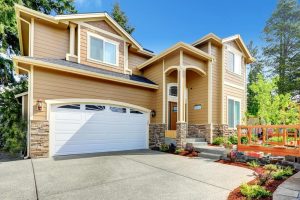
Wood siding delivers an authentic, textured appearance that consistently ranks as the most visually appealing exterior cladding option, and it can increase resale value for homes where curb appeal is a priority. In Hammond neighborhoods with older homes and established character, wood siding fits the architectural context in a way that vinyl sometimes cannot.
Wood siding can be installed as lap siding (also called clapboard), board-and-batten, shingles, or shakes. Each style creates a distinct look, and all of them can be painted or stained in any color. That level of customization is unmatched. Cedar and cypress are popular species choices in Louisiana because both have natural oils that provide some resistance to decay and insects.
Wood is a renewable resource. When sourced from responsibly managed forests, it has a smaller manufacturing carbon footprint than vinyl. It is also biodegradable at end of life, which appeals to homeowners who factor environmental impact into their decisions.
Natural wood also provides inherent insulation value. A solid wood wall section insulates better than an uninsulated vinyl panel, which can contribute to energy efficiency in both heating and cooling seasons.
Wood siding in Hammond requires consistent, scheduled maintenance to survive the climate. Skipping even one repainting or restaining cycle can lead to moisture infiltration, and once water gets behind wood siding in a humid environment, rot follows quickly.
Plan on repainting or restaining every 4 to 6 years. In areas with heavy sun exposure on the south and west sides of your home, that cycle may shorten to 3 to 4 years. You will also need to inspect for signs of termite activity at least annually. Even treated wood is not immune to Formosan termites, which are aggressive enough to damage chemically treated lumber.
The upfront cost of wood siding is significantly higher than vinyl, and the ongoing maintenance costs add up over the life of the material. A homeowner who chooses wood should budget not just for the installation but for the recurring upkeep that keeps it performing and looking its best.
Repairs to wood siding can be straightforward when caught early. A single rotted board can be replaced without disturbing the surrounding siding, which is one advantage over vinyl where color matching can be an issue. But if damage spreads before it is addressed, repair costs escalate quickly.
The right siding material depends on a handful of specific factors unique to your situation. Here is how to think through the decision:
Budget: If upfront cost is a primary concern, vinyl is the more affordable option by a significant margin. If you have a larger budget and are willing to invest in long-term maintenance, wood can deliver a premium look that holds its value.
Maintenance tolerance: Be honest about how much time and money you will dedicate to siding upkeep. Wood requires active, scheduled attention. Vinyl is close to maintenance-free. If you travel frequently or prefer a low-effort exterior, vinyl is the practical choice.
Architectural style: Some Hammond homes, particularly older properties along the historic corridors, look best with real wood siding. For newer construction or homes where a clean, consistent finish is the goal, vinyl works well.
Storm preparedness: Both materials can withstand typical Louisiana storms when properly installed. For hurricane-force winds, neither material is invulnerable. However, vinyl panels that unlatch can be replaced individually, while wind-driven rain behind wood siding can cause hidden moisture damage that is expensive to remediate.
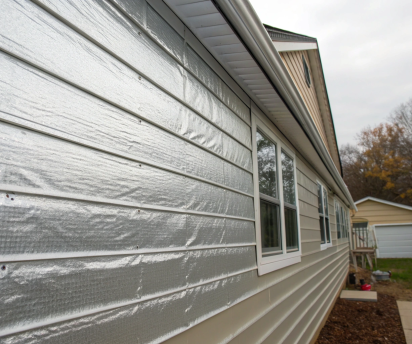
If you are weighing other options beyond wood and vinyl, James Hardie fiber cement siding offers a middle ground: the look of wood with moisture and termite resistance closer to vinyl. It is worth considering if neither pure wood nor pure vinyl feels like the right fit. Also, pairing any siding material with a radiant barrier can further reduce cooling costs during Hammond’s intense summer months.
Certain signs indicate that your current siding has reached the point where patching and spot repairs are no longer cost-effective:
If any of these apply to your Hammond home, a siding evaluation can help you understand whether siding repair or full replacement makes better financial sense. Call 504-608-7163 to schedule a conversation about your options.
Big Easy Sidings helps homeowners in Hammond and across southeastern Louisiana choose and install the siding material that fits their home, their budget, and their maintenance preferences. Whether you are leaning toward the natural warmth of wood or the low-maintenance durability of vinyl, the right installation makes all the difference in how long your siding lasts and how well it protects your home.
We serve New Orleans, Baton Rouge, Covington, Gretna, Hammond, Kenner, Metairie, Slidell, and nearby communities across southeast Louisiana.
Request your free estimate today and find out which siding material is the best investment for your Hammond home.
Vinyl is generally the better choice for Hammond due to its resistance to humidity, termites, and rot. Wood offers superior aesthetics but demands consistent maintenance to survive Louisiana’s climate.
Quality vinyl siding typically lasts 30 to 50 years in Louisiana with minimal maintenance. Proper installation with room for thermal expansion is critical for maximizing lifespan in high-heat areas like Hammond.
Yes, wood siding can increase resale value because buyers associate it with higher quality and curb appeal. However, poorly maintained wood siding has the opposite effect.
Insulated vinyl siding has a rigid foam backing bonded to the panel, which improves thermal performance (typically R-2 to R-5) and adds rigidity. It costs more than standard vinyl but can reduce energy bills.
Every 4 to 6 years under normal conditions. South-facing and west-facing walls with heavy sun exposure may need repainting every 3 to 4 years.
Vinyl siding rated for high-wind zones can handle sustained winds up to 110 mph or more, depending on the product. Proper nailing and overlap are essential for storm performance in Hammond.
 Big Easy Sidings