

Call Our Experts!
Call Our Experts!

Summary
Board and batten, clapboard, shingles, and tongue and groove are the most common wood siding patterns used on homes in Gretna, LA and the greater New Orleans metro area. Each pattern offers a different look and performs differently in Louisiana’s humid, storm-prone climate. Big Easy Sidings helps Gretna homeowners select and install the right wood siding pattern for their home’s architectural style and local weather demands.
Table of Contents
If you are choosing new siding for a home in Gretna, LA, the pattern you pick will shape the way your house looks, performs, and holds up over time. Gretna sits just across the Mississippi River from New Orleans, and homes here face the same punishing combination of high humidity, wind-driven rain, and intense summer heat that defines the region. Big Easy Sidings works with Gretna homeowners to match the right wood siding pattern to their home’s architecture and the local climate conditions that will test it year after year.
From the shotgun houses and Creole cottages found throughout Jefferson Parish to raised cottages and Garden District-inspired facades, New Orleans area homes have a distinct character. The siding pattern you choose should honor that character while providing real protection. This guide breaks down the most popular wood siding patterns, compares them side by side, and explains how each one performs in the Gretna and greater New Orleans environment.
The siding pattern you choose affects far more than curb appeal. It determines how well your exterior sheds water, handles thermal expansion, and resists wind uplift during hurricane season. Gretna homes deal with average humidity levels above 75% for much of the year, along with annual rainfall that regularly exceeds 60 inches. The orientation of siding boards, whether horizontal, vertical, or layered, directly impacts how moisture moves across and away from your walls.
Pattern also matters for architectural consistency. Many Gretna neighborhoods feature homes built in traditional Louisiana styles. A clapboard pattern reinforces the horizontal lines of a shotgun house, while board and batten can complement the vertical proportions of a raised cottage. Choosing a pattern that fits the architectural context of your street and neighborhood adds value and visual cohesion.
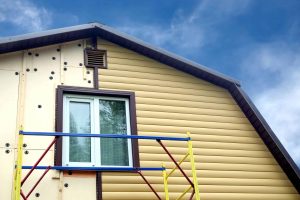
Each wood siding pattern has a distinct installation method, visual profile, and set of performance characteristics. Here is how the most common patterns compare for homes in Gretna and across the New Orleans metro area.
Clapboard siding uses long, tapered boards installed horizontally so each board overlaps the one below it. This creates a natural drainage plane that channels water away from the wall sheathing, which is critical in a climate as wet as Gretna’s.
Clapboard boards are typically 5/8 to 1 inch thick and 4 to 8 inches wide. Cedar and cypress are the preferred wood species in Louisiana because both resist rot and insect damage better than pine or fir. Cypress, in particular, has deep roots in New Orleans building traditions and performs well against the moisture and termite pressure common in Jefferson Parish.
You will see clapboard siding on shotgun houses, Creole cottages, and Colonial Revival homes throughout Gretna’s older neighborhoods. The horizontal lines match the low, wide proportions of these architectural styles. Installation uses traditional face-nailing, which makes future board replacement straightforward when individual sections sustain storm damage. For homeowners considering materials beyond natural wood, James Hardie fiber cement siding replicates the clapboard look with added durability against Louisiana’s humidity.
Board and batten siding uses wide vertical planks with narrow strips (battens) covering the seams between them. The vertical orientation helps water run straight down without pooling at horizontal joints, giving it a natural advantage in heavy-rain environments like Gretna.
The battens seal the gaps between boards, creating a weather-tight surface. Cedar, pine, and cypress all work well for this pattern. Boards typically range from 8 to 12 inches wide, with battens measuring 1 to 3 inches. The vertical lines create a sense of height, which is why board and batten often looks best on homes with taller wall sections or gabled ends.
In Gretna, you will find board and batten on renovated cottages and newer construction that blends modern farmhouse style with Louisiana influences. It pairs well with standing-seam metal roofs, a common sight in the New Orleans area. The pattern does require attention to wood expansion and contraction. In Louisiana’s heat and humidity cycles, boards can shift seasonally, so proper fastening and spacing during installation matters.
Wood shingles are machine-cut for a uniform surface, while shakes are hand-split for a rougher, more textured look. Both are typically made from cedar or redwood and sized between 16 and 24 inches long. They perform well in humid climates when properly installed with adequate ventilation behind them.
Shingles bring a refined, layered look that suits Craftsman-style and cottage homes. You can find shingle-clad homes in Gretna’s established neighborhoods, particularly on upper gable sections or as accent siding paired with clapboard below. Shakes deliver a more rustic character and work well on homes that lean toward a casual or coastal aesthetic.
In the Gretna and New Orleans area, the key concern with shingles and shakes is moisture retention. Without proper airflow behind the siding, trapped moisture can accelerate rot. A quality rainscreen installation method and regular staining or sealing every three to five years will extend the life of shingle and shake siding significantly.
Tongue and groove siding uses interlocking edges that create a tight surface with almost no visible seams. This makes it one of the most moisture-resistant wood siding patterns available, which gives it a clear advantage in Louisiana’s wet climate.
The interlocking joint blocks wind-driven rain from reaching the wall sheathing, a feature that matters during Gulf storms. Tongue and groove can be installed vertically or horizontally, giving homeowners flexibility in matching different architectural styles. It works particularly well on porch ceilings, soffits, and accent walls, in addition to full exterior applications.
For Gretna homeowners who want wood siding in Gretna that minimizes gaps and joints, tongue and groove is worth serious consideration. The tight fit also reduces the number of entry points for insects, a meaningful benefit in a region with heavy termite activity.
These are the two most popular wood siding patterns in the New Orleans metro area, and homeowners in Gretna frequently ask how they compare. Here is a side-by-side breakdown.
| Factor | Board and Batten | Clapboard |
|---|---|---|
| Orientation | Vertical | Horizontal |
| Water drainage | Excellent; water runs straight down | Good; overlapping boards shed water outward |
| Best architectural match | Modern farmhouse, raised cottages, gabled accents | Shotgun houses, Creole cottages, Colonial Revival |
| Maintenance frequency | Moderate; battens need periodic re-caulking | Moderate; individual boards replaceable |
| Visual effect | Adds height; textured, bold appearance | Adds width; clean, traditional lines |
| Common in Gretna? | Growing; popular on new builds and renovations | Very common; found on many historic and mid-century homes |
Both patterns can be built from the same wood species and both require similar maintenance cycles in Gretna’s climate. The choice usually comes down to the architectural style of your home and the visual statement you want to make. Some Gretna homeowners combine both, using clapboard on the main walls and board and batten on gable ends or dormer sections for contrast.
Selecting a wood siding pattern involves balancing aesthetics, climate performance, maintenance commitment, and budget. Here is how to think through each factor for a home in Gretna or the surrounding New Orleans area.
Start with what your home already tells you. A single-story shotgun house in Gretna’s historic core looks natural with horizontal clapboard because the lines match the home’s long, narrow proportions. A raised cottage with tall front-facing gables can carry the vertical drama of board and batten. Creole cottages, with their steeply pitched roofs and front galleries, often look best with clapboard on the walls and shingles in the gable peaks.
If you are renovating or building new in Gretna, consider what the neighboring homes use. A pattern that complements the streetscape adds to your property’s appeal without looking out of place. For homeowners weighing alternatives to natural wood, vinyl siding can replicate many of these patterns at a lower maintenance cost.
Tongue and groove and board and batten both offer strong resistance to water infiltration because of their sealed joints and vertical drainage, respectively. Clapboard performs well when properly lapped and sealed at the edges but requires diligent maintenance of the exposed bottom edges where moisture can wick upward.
During hurricane season, vertical siding patterns tend to resist wind uplift slightly better than horizontal patterns because wind catches the horizontal edges of clapboard more easily. However, proper installation and fastening matter more than pattern alone. Any wood siding pattern installed with corrosion-resistant fasteners, a quality house wrap, and adequate flashing will perform well in Gretna’s climate. Adding a radiant barrier behind the siding also helps manage heat transfer during Louisiana’s long, hot summers.
All wood siding patterns in the New Orleans area need repainting or restaining every four to seven years, with annual inspections for rot, insect damage, and caulk failure. With the Mississippi River next door and humid Gulf air overhead, moisture is a constant factor in Gretna.
Shingles and shakes require the most attention because their layered surface traps more moisture. Tongue and groove needs the least ongoing work thanks to its tight joints. Board and batten falls in between, with the battens themselves acting as sacrificial pieces that can be replaced individually without disturbing the main boards.
Some siding decisions are straightforward, but others benefit from an installer’s input. If you are dealing with any of the following situations, it is time to get a siding assessment:
A licensed siding contractor can evaluate your home’s wall sheathing, ventilation, and current siding condition to recommend the right pattern and wood species. In Gretna, where many homes are 50 years old or more, there may be underlying issues that need attention before new siding goes up. Getting those addressed first prevents costly problems later.
Big Easy Sidings works with homeowners across Gretna and the New Orleans metro area to select, supply, and install wood siding patterns that fit the home and the climate. Whether you are restoring a historic cottage with traditional clapboard or updating a newer home with board and batten, the pattern you choose should perform for decades in Louisiana’s demanding weather.
We serve New Orleans, Baton Rouge, Covington, Gretna, Hammond, Kenner, Metairie, Slidell, and nearby communities across southeast Louisiana.
Request your free estimate or call 504-608-7163 to discuss the best siding pattern for your home.
Clapboard is the most common choice for Gretna homes because it matches traditional Louisiana architectural styles and sheds water effectively. Board and batten is a strong alternative for homeowners who want a more modern or vertical look.
Well-maintained wood siding typically lasts 20 to 40 years in the New Orleans area. Cedar and cypress hold up the longest because they naturally resist rot and insects.
Board and batten generally costs slightly more due to the additional material (battens) and more labor-intensive installation. The exact difference depends on the wood species and the size of the project.
Yes. Many Gretna homeowners use clapboard on the main walls and board and batten or shingles on gable ends and dormers. Mixing patterns adds visual interest and is common on Louisiana homes.
Cypress and cedar are the best choices for Louisiana. Both species resist moisture, rot, and termites, which are the primary threats to wood siding in this region.
 Big Easy Sidings