

Call Our Experts!
Call Our Experts!

Summary
The best wood siding for Baton Rouge, LA homes includes cypress, western red cedar, and redwood, all of which contain natural oils that resist rot, termites, and moisture. Louisiana’s hot, humid climate and active Formosan termite population demand careful species selection and consistent maintenance. Big Easy Sidings installs and maintains wood siding built to handle Gulf Coast conditions year-round.
Table of Contents
Baton Rouge homeowners who love the look of real wood on their homes face a specific challenge: Louisiana’s climate is hard on exterior wood. Humidity averages above 70 percent for most of the year, Formosan subterranean termites are aggressive and active year-round, and hurricane season brings wind-driven rain from June through November. Despite all of that, the right wood species, installed correctly and maintained on schedule, can deliver decades of performance and curb appeal that no synthetic material truly replicates. Big Easy Sidings installs wood siding in the Baton Rouge area, where homes range from older houses in the Garden District to Acadian-style builds along Highland Road.
Wood siding is not the default recommendation for every home in southeast Louisiana, and for good reason. The climate punishes materials that trap moisture or lack natural pest resistance. But wood remains a strong choice for homeowners who prioritize authentic texture, historic accuracy, and the warmth that only natural grain provides.
Many Baton Rouge neighborhoods contain homes built in Acadian, French Provincial, and Craftsman styles. These architectural traditions pair naturally with wood cladding. Replacing wood siding with vinyl or fiber cement on a 1940s Craftsman cottage in the Garden District can undercut the home’s character and, in some cases, reduce its appeal to buyers who value architectural integrity.
The key is choosing wood species that are suited to Climate Zone 2A (Hot-Humid), where Baton Rouge sits. Not every species belongs on a Louisiana home. Pine, for instance, is affordable but extremely vulnerable to termites and rot without heavy chemical treatment. The right species, paired with proper installation and a drainage plane behind the cladding, performs well even here.
Cypress, western red cedar, and redwood are the three species with the strongest natural resistance to the rot, insects, and moisture that define Baton Rouge’s climate. Each contains natural oils that repel water and deter pests without chemical treatment.
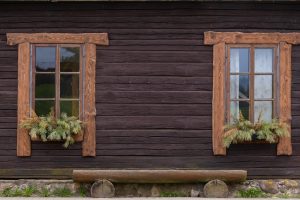
Cypress is Louisiana’s native siding wood. It has been used on homes across the state for well over a century, and many of those original installations are still standing. The heartwood produces cypressene, a natural preservative oil that resists rot, fungal decay, and insect damage. Cypress is dimensionally stable, meaning it swells and shrinks less than most softwoods when exposed to Baton Rouge’s constant humidity swings. It weathers to a silver-gray patina if left unfinished, or it accepts stain and paint readily.
Cedar contains natural thujaplicins, oils that make it resistant to decay and insect damage. It is lightweight, easy to work with during installation, and available in a range of grades. Cedar performs well in humid environments, though it requires more consistent maintenance in Louisiana than it does in drier Pacific Northwest climates where it originates. Expect to re-stain or re-seal cedar siding every two to three years in the Baton Rouge area.
Redwood heartwood is dense, straight-grained, and highly resistant to moisture absorption. Its tannin content deters insects and slows rot. Redwood is a premium option with a higher price point than cedar or cypress, but it holds up well against Louisiana’s conditions with less frequent maintenance. The rich, reddish-brown color adds a distinctive look to both traditional and contemporary Baton Rouge homes.
Thermally modified wood is heated to high temperatures in a controlled, oxygen-free environment. This process permanently alters the wood’s cell structure, reducing its ability to absorb moisture and making it resistant to rot and insects without chemical preservatives. It is a practical option for homeowners who want a sustainable, treated-wood alternative that performs well in high-humidity zones like southeast Louisiana.
| Species | Rot Resistance | Termite Resistance | Re-Stain Interval (LA Climate) | Relative Cost |
|---|---|---|---|---|
| Cypress (heartwood) | High | High | 3 to 5 years | Moderate |
| Western Red Cedar | High | Moderate to High | 2 to 3 years | Moderate to High |
| Redwood (heartwood) | Very High | High | 3 to 5 years | High |
| Thermally Modified | High | Moderate to High | 2 to 4 years | Moderate to High |
| Pine (pressure-treated) | Low (untreated) | Low (untreated) | 1 to 2 years | Low |
Pine is a softwood with no natural resistance to termites, rot, or moisture. In Baton Rouge’s hot-humid climate zone, untreated pine siding can begin showing signs of decay within just a few years of installation.
Even pressure-treated pine requires aggressive maintenance schedules. Formosan subterranean termites, which are widespread across East Baton Rouge Parish, can consume softwoods at a rate far faster than native termite species. If you are drawn to pine for budget reasons, consider whether the long-term maintenance and replacement costs actually save money compared to a more durable species installed once.
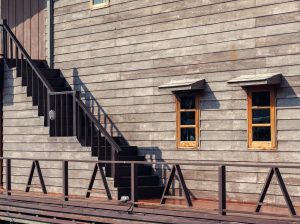
Clapboard (lap siding) is the most versatile profile for Baton Rouge residential architecture because it complements Acadian, Craftsman, Traditional, and French Provincial styles while shedding water effectively in heavy rain.
Long, horizontal boards overlap from bottom to top, creating a tight seal that directs rainwater down and away from the wall. This is the profile most commonly seen on wood siding installations in southeast Louisiana. It fits the horizontal lines of Traditional ranch-era homes throughout East Baton Rouge and the proportions of raised Acadian cottages equally well.
Vertical boards with narrow battens covering the seams create a tall, dramatic look. This profile works especially well on gable ends and accent walls. The vertical orientation helps water run off quickly, which is an advantage during Louisiana’s heavy summer downpours. Board and batten is common on newer construction in the Baton Rouge suburbs and fits both contemporary and farmhouse-inspired designs.
Individual wood shingles, typically cedar, create a layered, textured facade. Shingle siding adds visual depth and is often used on upper stories, dormers, or accent sections rather than full facades in Baton Rouge. Cedar and cypress shingles weather gracefully and develop a silvery patina over time. In Louisiana’s humidity, shingle siding must be installed with adequate spacing for airflow behind each course to prevent moisture buildup.
Shiplap boards interlock with a rabbet joint, creating a flat, clean-lined appearance with subtle shadow lines. This profile gained popularity in modern and transitional Baton Rouge builds. The tight joint resists water infiltration, but proper back-ventilation is critical in Louisiana’s climate to allow trapped moisture to escape.
Formosan subterranean termites and persistent moisture are the two biggest threats to wood siding in the Baton Rouge area. These termites build massive underground colonies and consume wood faster than any native species, while humidity above 70 percent feeds rot, mold, and mildew year-round.
Termites are a constant concern across Louisiana. The Formosan subterranean termite is particularly destructive in East Baton Rouge Parish. Even naturally resistant species like cypress and cedar are not completely termite-proof. They resist damage, but they do not guarantee immunity. Any wood siding installation in Baton Rouge should include a termite pre-treatment of the soil and foundation, regular inspections, and attention to ground clearance (wood siding should sit at least six inches above grade).
Baton Rouge receives roughly 60 inches of rain per year. Combined with average humidity that often exceeds 80 percent in summer mornings, wood siding is constantly exposed to moisture from both rain and ambient air. Proper installation requires a weather-resistant barrier behind the siding and a ventilated drainage plane that allows moisture to escape. Without these layers, even the most rot-resistant species will eventually fail.
Wind-driven rain during tropical storms and hurricanes can force water behind siding at joints, seams, and around window and door trim. Impact from debris is another concern. Thicker siding profiles and secure fastening patterns help wood siding survive high-wind events. After any significant storm, inspect all siding for cracks, loose boards, and water intrusion.
South-facing and west-facing walls in Baton Rouge take intense UV punishment from spring through fall. UV breaks down lignin in wood fibers, causing graying, cracking, and eventual surface degradation. A quality stain with UV inhibitors slows this process significantly. Homeowners who prefer a natural silver patina on their cypress or cedar should still apply a clear UV-blocking sealer to prevent structural surface damage.
In Baton Rouge’s climate, wood siding needs a thorough cleaning at least twice per year (spring and fall), re-staining or re-sealing every two to five years depending on species and exposure, and visual inspections after every significant storm.
Spring cleaning removes mold, mildew, and pollen buildup from the winter and early spring months. Fall cleaning prepares the siding for the cooler, drier months and lets you catch any damage from hurricane season before it worsens. Use a low-pressure wash with a mildew-killing solution rather than a high-pressure washer, which can force water behind boards and damage wood fibers.
Before re-staining, check moisture levels with a moisture meter. Wood should read at or below 15 percent moisture content before any coating is applied. In Louisiana, you may need to wait for a stretch of dry weather to reach that threshold.
Inspect caulking around windows, doors, and trim joints annually. Louisiana’s heat and humidity cycles cause caulk to deteriorate faster than in moderate climates. Replacing failed caulk promptly prevents water from reaching the sheathing behind the siding.
Wood siding makes the most sense for Baton Rouge homeowners who value natural aesthetics, are restoring a historic or architecturally distinctive home, and are committed to a consistent maintenance schedule. For homeowners who want lower maintenance, James Hardie fiber cement siding offers strong climate resistance with less upkeep.
Wood siding is the right fit when:
Alternatives may be a better fit when:
Vinyl siding is another option for Baton Rouge homeowners who want the lowest maintenance burden, though it cannot match the visual depth of real wood. The best choice depends on your home’s style, your maintenance tolerance, and your long-term plans for the property.
Some signs of wood siding trouble are obvious: boards pulling away from the wall, visible rot at the base, or soft spots when you press on the surface. Others are subtler. Bubbling or peeling finish coats, dark streaks that do not wash away, and a musty smell near exterior walls can all indicate moisture behind the siding.
If you notice any of these conditions, do not wait for the next storm to make them worse. Water damage behind siding spreads quickly in Louisiana’s humidity, and what starts as a single soft board can become a sheathing or framing problem within one season.
Big Easy Sidings evaluates wood siding condition, identifies the source of moisture intrusion, and recommends targeted repairs or full replacement depending on the extent of damage. Call 504-608-7163 to schedule an inspection if you are unsure about the condition of your siding.
Choosing wood siding in Louisiana is not just about picking a species. It is about matching the right wood to your home’s architecture, installing it with a proper drainage system behind it, and committing to a maintenance plan that accounts for Gulf Coast humidity, termites, and storm exposure. Big Easy Sidings handles every step of that process, from species selection to final installation.
We serve New Orleans, Baton Rouge, Covington, Gretna, Hammond, Kenner, Metairie, Slidell, and nearby communities across southeast Louisiana.
Request your free estimate to get started on a wood siding project built for Baton Rouge conditions.
Cypress heartwood is the top choice for Baton Rouge because it is native to Louisiana, naturally resistant to rot and termites, and performs well in high humidity. Western red cedar and redwood are also strong options.
Properly installed and maintained cypress or cedar siding can last 30 to 50 years in Louisiana. Without regular maintenance, that lifespan can drop to 15 years or less due to moisture damage and termite activity.
Not if you choose the right species and install it correctly. Cypress, cedar, and redwood all contain natural oils that resist moisture and decay. The key is proper drainage, back-ventilation, and a consistent re-staining schedule.
All wood can be targeted by termites, but naturally resistant species like cypress and cedar significantly reduce the risk. Pair resistant wood with soil pre-treatment, proper ground clearance, and annual inspections for the best protection.
Plan on cleaning twice per year, re-staining every two to five years depending on species and sun exposure, and inspecting after major storms. Annual caulk checks around windows and trim are also necessary in Baton Rouge’s climate.
 Big Easy Sidings