

Call Our Experts!
Call Our Experts!

Most homeowners never see the layer that does the real work of keeping a house dry. House wrap siding in New Orleans sits behind your siding, wrapped around the wood sheathing, and it decides whether rain and humidity stay outside where they belong. Skip it, install it wrong, or let it fail quietly for years, and the damage shows up later as soft walls, musty smells, and siding that no longer sits flat.
That hidden layer is the subject of this article, and it matters more here than almost anywhere else in the country. Big Easy Sidings installs house wrap correctly on every siding job across the New Orleans area, because a beautiful siding job over a bad moisture barrier is a problem waiting to happen. If you want your new siding to last, start with what’s underneath it.
House wrap is a thin, tough membrane installed over wall sheathing before siding goes on. It blocks liquid water and outside air from reaching your walls while still letting built-up water vapor escape from inside.
Think of it as a raincoat for your house. A good raincoat keeps rain off your skin but still lets sweat evaporate so you don’t overheat underneath it. House wrap works the same way on a wall. It stops wind-driven rain and bulk water from soaking into the sheathing, and it cuts down on air leaking through tiny gaps around nails, seams, and framing.
At the same time, house wrap is designed to be vapor-permeable. That means water vapor trapped inside a wall cavity can pass through the material and escape outward instead of collecting and staying wet. Without that breathability, moisture gets sealed in rather than kept out, and the wall never gets a chance to dry.
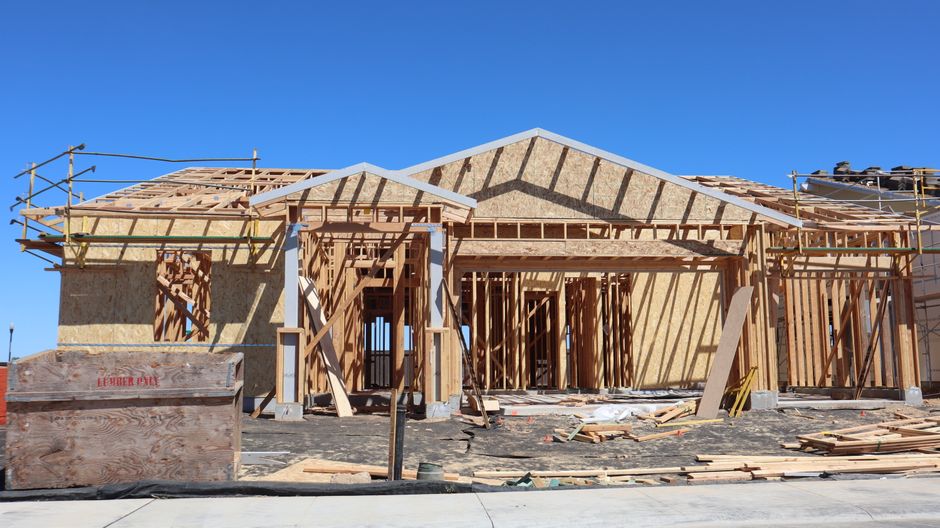
New Orleans combines high humidity, heavy seasonal rainfall, and hurricane-force wind-driven water, which puts far more stress on a home’s moisture barrier than a drier climate does. Local siding needs a system built for that, not a one-size-fits-all approach.
Gulf Coast humidity means the air outside a New Orleans wall is often as wet as the air inside it. That reduces natural drying and makes vapor-permeable house wrap more important, not less. Add tropical storms that drive rain sideways under siding laps, and the wall assembly needs a continuous barrier with sealed seams to hold up.
Older New Orleans homes, from shotgun houses to raised cottages, were often built before modern house wrap existed. New siding installed without adding a proper barrier can still trap moisture the same way the old wall did.
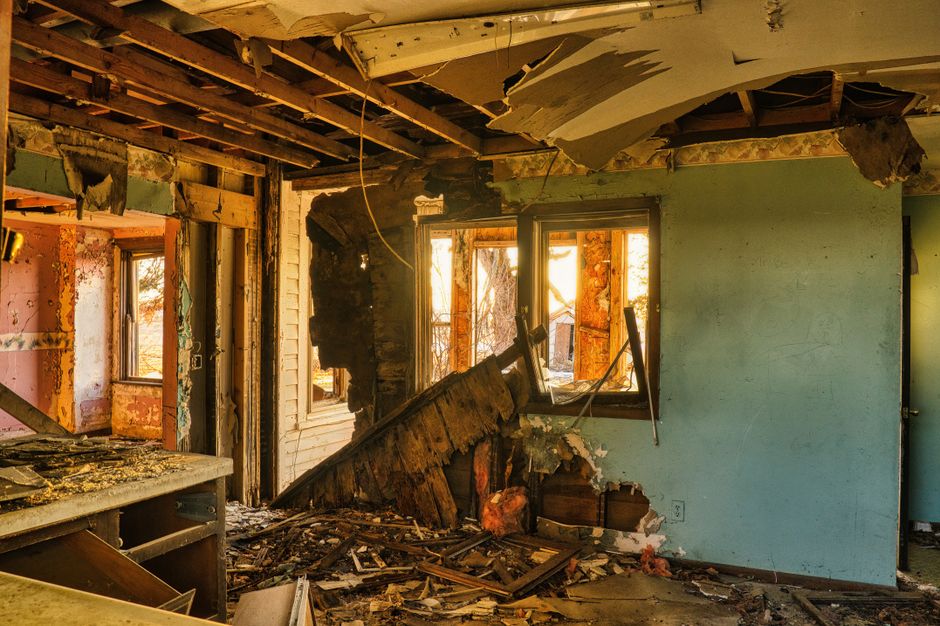
A home without house wrap, or with a damaged one, lets water and moist air reach the wood sheathing and framing. Over time that leads to rot, mold growth, and siding that warps, buckles, or pulls away from the wall.
Wood sheathing that stays damp for extended periods starts to soften and decay. That process is slow and invisible from the outside, which is why it’s dangerous. By the time a homeowner notices a soft spot near a window or a musty smell in a closet, the damage has often spread through several stud bays.
Mold needs moisture to grow, and a compromised barrier gives it a steady supply. Mold behind siding can affect indoor air quality even when it stays hidden from interior walls. Left long enough, structural repairs become necessary before new siding can go on, turning a moisture problem into a costlier project.
Proper installation means overlapping the sheets correctly, taping every seam, and sealing carefully around windows, doors, and penetrations so water has no path inward. A single missed seam can undo the protection the whole system is meant to provide.
House wrap has to be installed shingle-style, with upper layers overlapping lower ones, so water always flows down and over the material rather than behind it. Seams and staple holes need proper tape rated for the product, and corners at windows and doors require specific flashing details to stop water from finding a way behind the barrier.
This is not a step to rush or skip. A licensed and insured siding crew installs house wrap as a system, checking each seam and penetration before the siding itself ever goes up. Give us a call at 504-608-7163 or request a free estimate if you’re unsure whether your home’s current barrier was installed this way.
No. House wrap and radiant barrier solve different problems. House wrap manages liquid water and air movement through the wall, while a radiant barrier reflects heat to reduce cooling costs. Some New Orleans homes benefit from both, installed as separate products for separate jobs. If you’re weighing energy performance alongside moisture protection, our radiant barrier installation page covers that side of the equation.
Any siding material performs better over a properly installed house wrap, but the pairing matters most with materials that are more sensitive to trapped moisture, like wood. The barrier and the siding work as one system, not two separate decisions.
James Hardie fiber cement siding resists moisture damage well on its own, and pairing it with correct house wrap adds a second line of defense against wind-driven rain common in this region. Our James Hardie siding installation service always includes proper barrier work as part of the job.
Vinyl siding relies on the wall behind it to manage moisture, since vinyl itself allows some water and air to pass through its seams. A tight, well-taped house wrap is what keeps that water from reaching the sheathing. See our vinyl siding installation page for details on how we handle that pairing.
Wood siding needs the most protection of all, since wood absorbs moisture directly and is slower to dry once wet. Our wood siding installation and repair team pays close attention to barrier condition on every wood project, old or new.
No. A vapor barrier blocks vapor movement almost entirely and is usually installed on the warm side of a wall. House wrap is vapor-permeable by design, letting moisture escape outward, which the Building Science Corporation and most siding manufacturers recommend for humid climates like New Orleans.
Most house wrap products are rated to last as long as the siding itself, often 20 to 30 years, when installed and sealed correctly. Physical damage from pests, storms, or a poor install can shorten that lifespan significantly.
It depends on how much of the wall is exposed during the repair. If sheathing is already visible, Big Easy Sidings can usually add or patch house wrap as part of a siding repair job rather than waiting for a full replacement.
House wrap is not a structural windstorm product, but it does reduce how much water reaches the sheathing during wind-driven rain, which is common during Gulf Coast storms. Pairing it with correctly installed siding and flashing gives the wall its best chance of staying dry through a storm.
Warning signs include soft or bulging siding, peeling interior paint near exterior walls, a persistent musty smell, or visible gaps where old siding meets trim. A free inspection from a licensed siding contractor is the most reliable way to confirm what’s happening behind the wall.
A wall that stays dry starts with what’s installed before the first piece of siding ever goes up. House wrap that’s properly overlapped, taped, and sealed keeps rain and humid air out while still letting a wall breathe, which matters in a climate that rarely gives a home a break from moisture. Skipping this step or trusting a rushed install can turn a simple siding upgrade into a rot and mold problem down the line.
Big Easy Sidings treats house wrap as a required part of every siding installation and repair, not an optional add-on, because the barrier is what protects the investment in new siding.
If you’re planning new siding or you suspect moisture damage behind your current siding, request a free estimate or call 504-608-7163. Our team is licensed, insured, and ready to inspect your home’s moisture protection from the ground up.
 Big Easy Sidings