

Call Our Experts!
Call Our Experts!

Most homeowners planning a siding project focus on wall panels and color choices. Soffit and fascia New Orleans homes depend on rarely make the list, yet these two components sit at the edge of your roofline and take on some of the heaviest weather punishment your house absorbs all year.
Skipping them during a siding job is a common mistake. Big Easy Sidings treats soffit and fascia as part of the same system as your siding, not an afterthought, and a free estimate can show you exactly where your roofline stands.
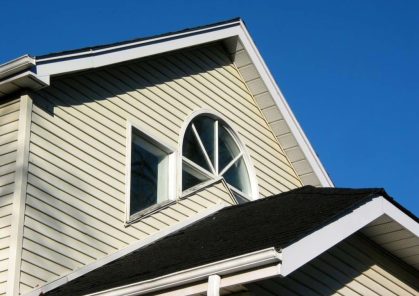
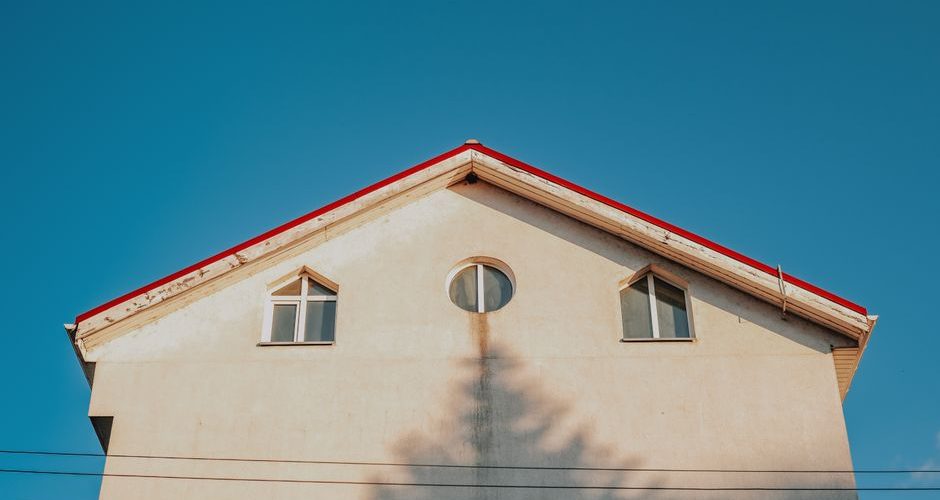
Soffit is the panel under your roof overhang that allows attic air to flow in, while fascia is the vertical board along the roofline that holds gutters in place and seals the edge of the roof structure. Together they close the gap between your walls and your roof.
Soffit panels often include small vents that let outside air enter the attic space. That air then moves up through the attic and exits near the roof peak, carrying heat and moisture out with it.
Fascia works differently. It runs in a straight line along the edge of the roof and gives gutters something solid to attach to. Without it, water has nowhere clean to drain and the roof edge is left exposed.
New Orleans sits in a humid subtropical climate with high year-round moisture, and an attic without proper soffit ventilation traps that moisture instead of releasing it. Trapped humidity is one of the fastest ways to damage a roof from the inside out.
Daily household activity such as cooking, showering, and laundry sends warm moist air upward into the attic. If soffit vents are blocked, painted shut, or missing, that air has no clear path out. Southern Home Improvement’s guide to Louisiana soffit and fascia notes that damp attic air left in place feeds mold growth and softens roof decking over time (southernhomeimprovement.com, 2026).
Over months, this trapped moisture condenses on cooler surfaces inside the attic. That condensation feeds mold growth, softens wood sheathing, and shortens the life of your roof deck. A siding crew that reopens or replaces soffit vents while the wall panels are off saves you a separate repair call later.
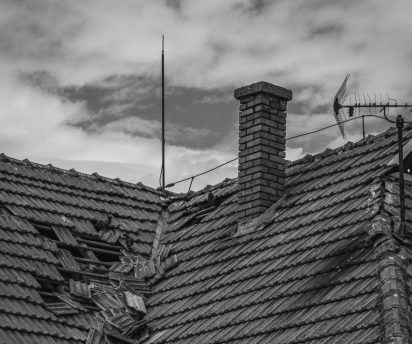
Gaps in damaged soffit and fascia give wasps, birds, bats, and rodents an easy path into your attic, and once pests get in, they tend to stay. Small openings are all it takes.
A cracked soffit panel or a fascia board pulling away from the roofline creates an opening barely bigger than a coin. Heights Aluminum’s overview of pest prevention explains that squirrels, birds, and insects will use any gap along the roof edge to nest inside an attic once they find it (heightsaluminum.com, 2026).
Screened soffit vents block this kind of entry while still letting air pass through. Once pests establish a nest in the attic, removal is far more disruptive than sealing the gap would have been.
If your roofline shows gaps or missing sections, a quick inspection now can prevent a nesting problem later. Get a free estimate or call 504-608-7163 to have the roofline checked alongside your siding.
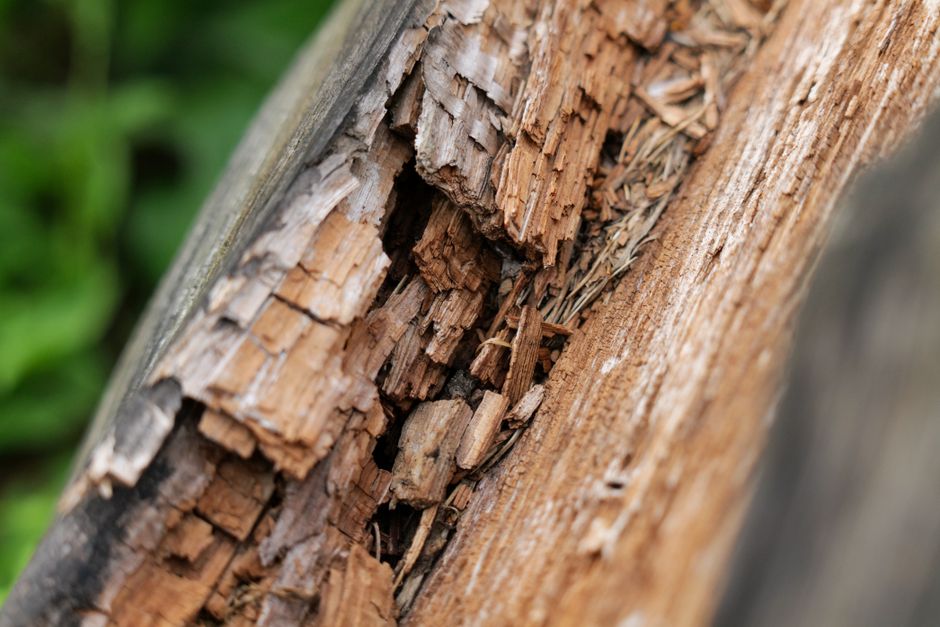
Louisiana’s humidity and heat cause wood soffit and fascia to swell, dry, and crack repeatedly, and that cycle eventually invites rot and termites. The pattern repeats year after year unless the wood is protected or replaced.
New Orleans averages roughly 77 percent relative humidity across the year (southernhomeimprovement.com, 2026). Wood fascia absorbs that moisture, then dries out under direct sun, and the wood fibers slowly break down from the repeated expansion and contraction.
Termites are drawn to wood that has already softened from moisture damage. Once they tunnel into fascia or soffit boards, the structural wood underneath the roof edge weakens further, which puts the rest of your siding system at risk too.
If you are calling about a siding estimate, this is a good moment to ask your contractor to check the roofline while they are already on site, since wood siding repair and roofline repair often overlap.
Peeling paint, sagging gutters, visible daylight from inside the attic, and soft or hollow-sounding wood are the clearest signs soffit and fascia need repair. Catching these early keeps the damage from spreading to your siding.
| Warning Sign | What It Usually Means | |—|—| | Peeling or bubbling paint | Trapped moisture behind the surface | | Sagging or pulling gutters | Fascia board has weakened or rotted | | Daylight visible from the attic | Gap or hole in the soffit panel | | Soft or hollow sound when tapped | Wood rot or termite damage | | Black streaks under the roofline | Long-term water runoff and mildew | | Wasp nests or bird activity near the eaves | Existing gap pests have already found |
A single item on this list does not always mean a full replacement. Several items together, especially on the same section of roofline, usually point to a repair that should happen before or during a siding project.
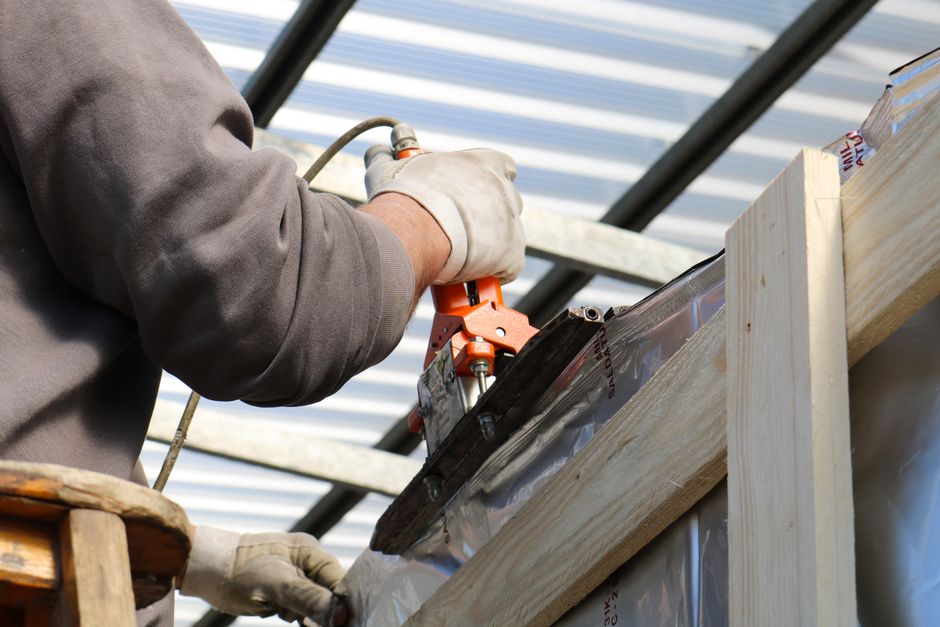
Handling soffit and fascia alongside a siding replacement or repair avoids paying for scaffolding, ladders, and labor twice. It also lets the crew match materials and colors across the whole exterior.
When siding crews remove wall panels, the roof edge is already exposed and easy to reach. Addressing worn fascia or blocked soffit vents at that point is far more efficient than scheduling a second visit months later. This is not a separately billed line item most homeowners think to ask about, but it typically gets folded into a siding repair or James Hardie siding installation scope rather than sold as its own standalone service.
Waiting until the fascia has rotted through or pests have already nested inside the attic tends to raise both the cost and the disruption. A contractor who inspects the full roofline during a siding estimate can flag problems while they are still small.
Soffit is the horizontal panel under a roof overhang that often includes ventilation, while fascia is the vertical board along the roof edge that holds gutters. Homes across Louisiana typically need both inspected together during a siding estimate.
An annual inspection is reasonable for most homes, with an additional check after hurricane season or any major storm. Louisiana’s humidity and wind speed up wear compared to drier climates.
Water intrusion from damaged fascia can travel behind siding panels and cause damage the siding manufacturer will not cover. Addressing fascia issues early protects both the roofline and the siding warranty.
Yes, soffit and fascia work is typically included as part of a full siding installation or repair project rather than sold separately. Call 504-608-7163 to ask what your specific home needs.
Aluminum and vinyl soffit and fascia resist rot, insects, and warping far better than untreated wood in a humid subtropical climate. Wood can still be repaired and protected if caught early enough.
A roofline that drains properly, vents correctly, and keeps pests out protects everything below it, including your siding, attic insulation, and interior walls. Addressing soffit and fascia issues early is one of the simplest ways to avoid a larger repair bill later.
If your siding project is coming up, Big Easy Sidings can walk the full roofline with you and point out anything that needs attention before work begins.
A free estimate covers your whole exterior, not just the wall panels. Contact Big Easy Sidings or call 504-608-7163 to get on the schedule.
 Big Easy Sidings