

Call Our Experts!
Call Our Experts!

A siding installation timeline can feel like a mystery if you have never watched one happen at your own house, and on an older New Orleans home, a lot can turn up once the old boards come off. Between the tear-off, the repairs hiding under old panels, and the final trim work, a lot goes on behind a project that homeowners often assume is a single afternoon job.
Understanding each stage in advance makes the whole experience less stressful and helps you plan around the noise, the dumpster in the driveway, and the crew coming and going. Big Easy Sidings walks New Orleans homeowners through the full process before work ever begins, so nothing on installation day catches you off guard.
Before any tools come out, the installer measures the home, orders materials, and pulls the required permits. This prep window also covers scheduling delivery and confirming the crew has a clear path around the house.
Most reputable companies walk the property first to check for landscaping that needs protecting, outdoor furniture that should move, and vehicles that may need to shift for equipment access. Materials for jobs like James Hardie siding installation or vinyl siding installation are ordered in advance, since custom colors and trim pieces can take time to arrive.
Weather also factors into scheduling. New Orleans humidity and the chance of sudden rain mean a good crew builds a few flex days into the plan rather than promising an exact start date and hoping for the best.
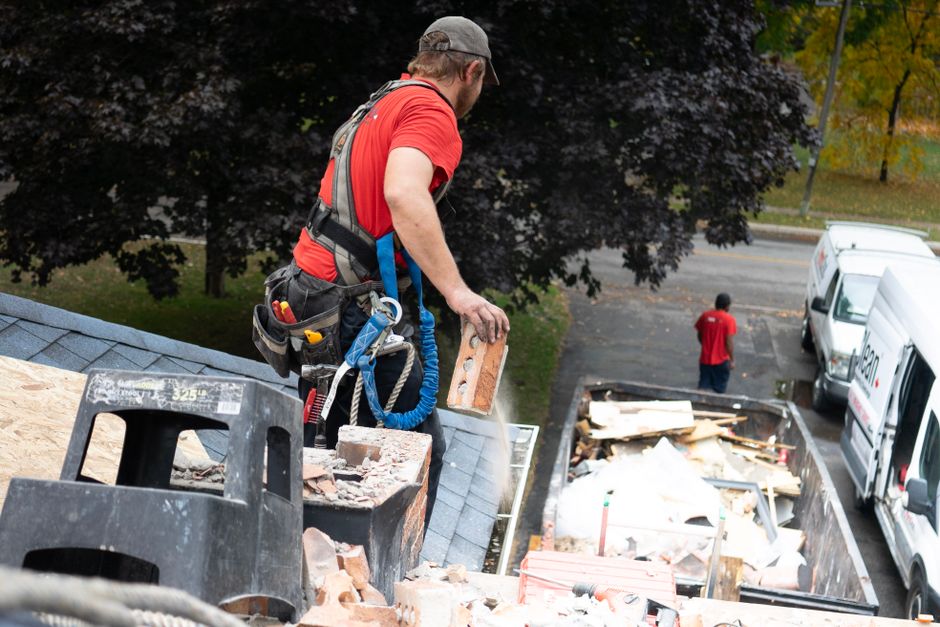
Tear-off removes the old siding one section of the house at a time, so walls are not left exposed longer than necessary. Crews typically work one elevation at a time and inspect the sheathing as it is uncovered.
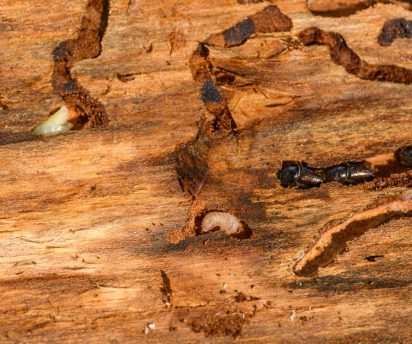
Once the old material comes off, the crew looks for soft spots, rot, insect damage, or old moisture stains on the wood underneath. Any section that will not hold a fastener properly gets repaired or replaced before new siding goes up.
This inspection step matters more in New Orleans than in drier climates. Years of humidity and heavy rain can hide damage that only becomes visible once the old siding is gone, so a company that skips this stage is skipping the most important part of the job.
A weather-resistant barrier, often called house wrap, goes over the repaired sheathing before any new siding is attached. This layer keeps wind-driven rain from reaching the wood framing while still letting trapped moisture escape.
The wrap gets fastened smooth and flat, with seams overlapped and taped so water sheds down and out rather than seeping behind the panels. Flashing is installed around windows, doors, and any wall penetrations at this stage too.
This step is where radiant barrier installation can also come into play for homeowners looking to cut attic heat gain. If you are unsure which prep steps your home needs, contact Big Easy Sidings or call 504-608-7163 to talk through your options before work starts.

Installation generally starts at the lowest point of a wall and works upward, keeping each row level and aligned. Panels are fastened according to the manufacturer’s spacing guidelines, not nailed tight, so the material can expand and contract with temperature changes.
Crews check alignment constantly as they move around the house, since a small gap on one wall becomes obvious once it wraps around a corner. Wood siding installation and repair follows a similar upward sequence but with more hand-fitting around trim and architectural details.
Corners, outside edges, and areas around windows get extra attention because these spots are where water intrusion problems usually start. A careful crew slows down here even if it adds time to the day.
Trim work wraps up loose ends around windows, doors, corners, and the roofline where panels meet other surfaces. This stage also includes caulking gaps and confirming every flashing point sheds water correctly.
Detail work is where the visual quality of a siding job really shows. Crooked trim or gapped corner posts stand out immediately, even to homeowners who cannot describe exactly what looks off.
A final check of fastener spacing, seam alignment, and caulking usually happens before cleanup starts. Skipping this stage is a common shortcut on rushed jobs, and it is one of the reasons homeowners end up needing siding repair a few years later.
Every siding project moves through the same general stages, though the exact pace depends on home size, material, and weather. The table below lays out the order most installers follow on a standard residential job.
| Stage | What Happens |
|---|---|
| Prep and Ordering | Measurements, permits, and material orders are finalized before crews arrive. |
| Tear-Off | Old siding is removed one wall section at a time. |
| Inspection and Repair | Sheathing is checked for rot, moisture, or damage and repaired as needed. |
| House Wrap and Flashing | A weather-resistant barrier and flashing are installed around openings. |
| Panel Installation | New siding is fastened from the bottom of each wall upward. |
| Trim and Detail Work | Corners, edges, and seams around windows and doors are finished. |
| Cleanup and Walkthrough | Debris is hauled away and the finished work is reviewed together. |
Some of these stages overlap on smaller homes, while larger properties or multi-material jobs may need extra days between steps. A crew working in New Orleans should also account for humidity and rain delays when mapping out this order for your property.
The last stage includes a full property cleanup and a walkthrough where the homeowner and crew review the finished siding together. Old materials, packaging, and debris get hauled away, and the yard is checked for stray nails.
During the walkthrough, this is the time to point out anything that looks uneven, ask questions about maintenance, or confirm warranty paperwork. A contractor who stands behind the work will welcome this conversation rather than rush through it.
New Orleans weather can be unpredictable, so ask your contractor how the siding and flashing are built to handle heavy rain and storm season before they leave the property.
Older housing stock, design review, and storm season can each add days to a siding job here. Many older homes in the city sit on raised piers, so crews may need to repair or close in the skirting along the base, and layers of old siding can hide softened boards that have to be replaced before anything new goes up.
Paperwork comes next. In the French Quarter, exterior work needs Vieux Carre Commission approval before a permit is issued, and homes in the city’s other historic districts may need Historic District Landmarks Commission review. In Jefferson Parish or on the Northshore, your city or parish permit office sets the rules, so ask early how long review usually takes.
Weather is the last variable. The Atlantic hurricane season runs from June 1 to November 30, with most activity between mid-August and mid-October, and a summer afternoon storm can stop wrap and flashing work for the day. Booking outside that peak window leaves more slack in the schedule.
Timelines vary by home size, siding material, and weather, so there is no single universal number. Angi reports many residential siding projects run about 7 to 14 days from tear-off through cleanup (Angi, 2026), though smaller New Orleans homes can move faster.
You do not need to stay home for the entire project, but being available for the initial walkthrough and final inspection is recommended. An experienced crew coordinates scheduling directly with homeowners so access and questions are handled smoothly.
Sometimes. Rot, moisture stains, or insect damage under old siding is common in humid climates like New Orleans and gets addressed during the wall inspection stage before new material goes up.
Light humidity is normal for the region, but active rain can pause work on wrap, flashing, or panel installation to protect the wall assembly. A contractor will typically reschedule affected steps rather than install over wet materials.
Available services include James Hardie siding, vinyl siding, wood siding, and radiant barrier systems, along with siding repair for existing homes. Each material follows a similar staged process with some differences in prep and fastening.
A clear, well-managed siding project protects your home from New Orleans weather while giving the exterior a fresh, finished look. Knowing what each stage involves, from tear-off through the final walkthrough, makes it easier to plan around the work and ask the right questions along the way.
Big Easy Sidings is licensed, insured, and offers free estimates on every project across the New Orleans area.
Call 504-608-7163 or contact Big Easy Sidings today to schedule your free siding estimate.
 Big Easy Sidings