

Call Our Experts!
Call Our Experts!

Vinyl siding styles New Orleans homeowners choose from go far beyond a single flat panel. Profile shape, panel width, and surface texture all change how a house reads from the street, and picking the wrong combination can make a historic cottage look plain or a modern build look busy. The good news is that once you understand the handful of profiles on the market, matching one to your home style is straightforward.
This guide walks through the main vinyl siding profiles and finishes so you can talk to a contractor with confidence. Big Easy Sidings installs every style covered here across the New Orleans area, and a free estimate is one phone call away at 504-608-7163.
Vinyl siding comes in five main profiles: traditional lap (clapboard), Dutch lap, board-and-batten, shake or shingle look, and beaded. Each one changes the shadow lines and overall texture of a wall, so the choice affects curb appeal as much as material grade does.
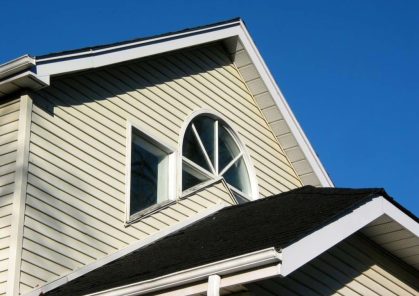
Traditional lap, sometimes called clapboard, is the style most people picture when they hear “siding.” It uses long horizontal panels with a tapered edge, laid so each row overlaps the one below it. This is the most common vinyl siding style installed across the country and remains a safe, versatile choice for almost any home shape.
| Profile | Orientation | Best Suited For | |—|—|—| | Traditional Lap | Horizontal | Shotgun houses, bungalows, most home styles | | Dutch Lap | Horizontal | Historic-style homes wanting deeper shadow lines | | Board-and-Batten | Vertical | Modern builds, farmhouse-style exteriors | | Shake or Shingle | Horizontal accent | Gable accents, front-facing peaks | | Beaded | Horizontal | Classic homes wanting a subtle detail line |
Dutch lap adds a decorative groove or bevel near the top of each panel. That groove creates a deeper shadow line than standard lap, giving the wall a hand-carved look reminiscent of older wood siding. Board-and-batten runs panels vertically instead of horizontally, with raised battens covering the seams, a style that has grown quickly in popularity for modern and farmhouse-influenced homes. Shake and shingle profiles mimic cedar shakes and are often used as accents on gables rather than full walls. Beaded siding adds a small rounded ridge along the bottom edge of each panel for a subtle, classic detail line.
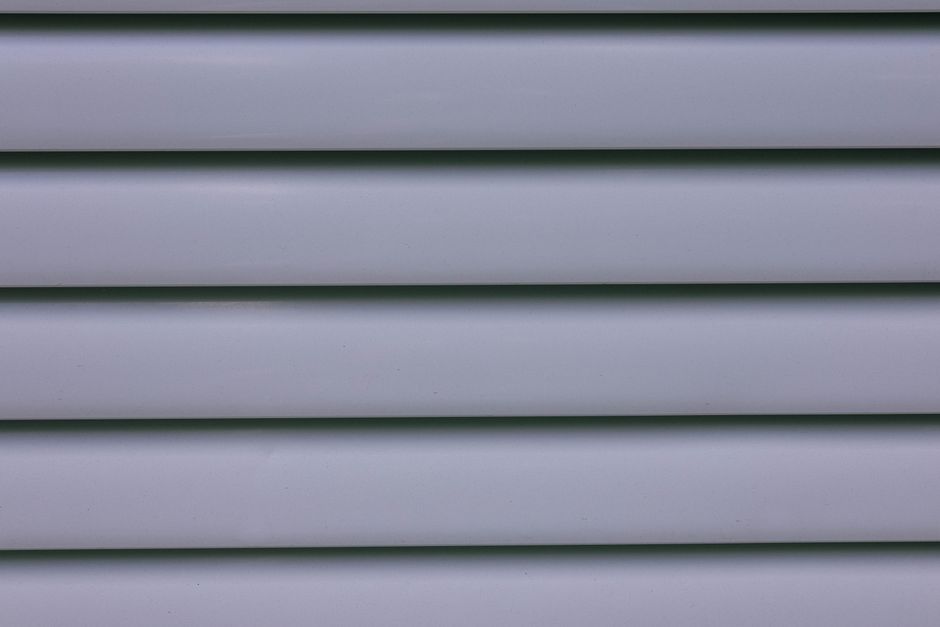
Vinyl panels typically come in widths around 4 to 5 inches for a traditional double-4 or double-5 look, though wider single-profile panels are also available. Narrower panels create more shadow lines and a busier texture, while wider panels give a cleaner, more modern appearance.
A double-4 or double-5 lap panel, which mimics two rows of narrower wood clapboard, works well on Craftsman bungalows and shotgun houses common across New Orleans neighborhoods. The tighter spacing echoes the original wood siding these homes were often built with.
Wider single panels, sometimes marketed as a 7-inch or 8-inch reveal, read as more contemporary and suit newer construction or homes already updated with simpler trim. Wider panels also mean fewer seams on the wall, which some homeowners prefer for a cleaner finish.
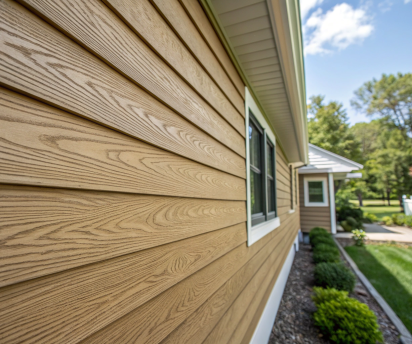
Vinyl siding is manufactured in two main surface finishes: smooth and wood-grain embossed. Smooth finishes give a crisp, painted look, while wood-grain texture mimics the subtle grain pattern of cedar or cypress board siding.
Smooth vinyl suits homes with a more formal or modern presentation, including newer builds in Mandeville and Covington with clean trim lines, and it shows color evenly across a wall.
Wood-grain texture is the more popular choice on older or historic-style homes, since it visually references the cypress and cedar siding common in New Orleans construction for generations. Under Louisiana’s humidity and sun exposure, both finishes hold color well when the vinyl is a quality product, though wood-grain texture does a slightly better job hiding minor surface imperfections like dust or light scuffing.
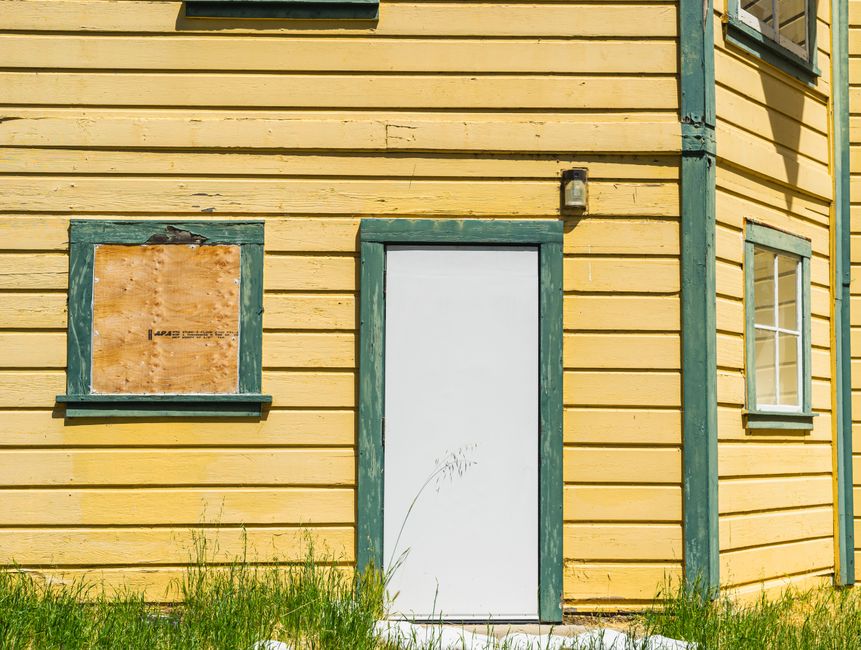
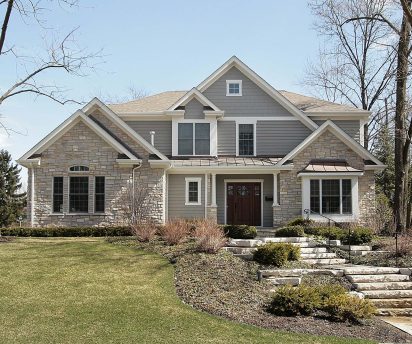
Shotgun houses and Craftsman bungalows typically pair best with traditional lap or Dutch lap in a narrower reveal. Raised ranch and newer construction often suit board-and-batten or wide-panel lap, while shake accents work well on gables of any home style.
New Orleans has a wide mix of architecture, from narrow shotgun houses in Mid-City to raised ranch homes in Metairie and newer builds out toward LaPlace and Hammond. A shotgun house with its tall, narrow front usually looks best with a traditional or Dutch lap profile that echoes the original wood siding style of the era.
Board-and-batten works well as either a full treatment on a modern build or as an accent on a front-facing gable, adding vertical lines that break up a long horizontal roofline. Homes with a lot of gable detail, common in Slidell and Covington, often mix a lap profile on the main walls with shake-style panels on the gable peak for contrast without overwhelming the exterior.
Call 504-608-7163 or visit our contact page to talk through which profile matches your home, with a free estimate included.
Order physical samples rather than relying on photos alone, and view them against your home in both morning and afternoon light. Color and texture can look noticeably different under direct Louisiana sun compared to a shaded sample board.
Photos online compress color and flatten texture, so a Dutch lap panel that looks dramatic in a photo might read as subtle in person. Asking for actual sample chips or small panel sections lets you see the true shadow lines and surface finish.
It also helps to look at a few nearby homes that already have the profile you’re considering, since seeing it at full scale on a real roofline makes the decision easier.
Ask whether the profile you want is available in insulated and non-insulated versions, what warranty applies to that specific line, and whether the installer has experience with that profile locally. Not every contractor stocks every style.
Some profiles, particularly board-and-batten and certain shake styles, are only offered by specific manufacturers in specific color ranges. Confirming availability before you fall in love with a look saves time later, and it helps to ask how the profile performs under Gulf South heat and humidity specifically.
Traditional lap and Dutch lap remain the most requested profiles for New Orleans homes because they closely resemble the wood clapboard siding original to many shotgun and Craftsman-style houses in the region.
Yes, mixing profiles is common, such as using lap siding on main walls with shake-style panels on a gable accent. James Hardie and vinyl manufacturers both offer coordinated color lines for this purpose.
Pricing varies by manufacturer and panel thickness rather than profile alone. Big Easy Sidings provides a free, itemized estimate so you can compare exact costs for the styles you’re considering.
No, both finishes clean the same way with a garden hose or soft brush and mild soap. Wood-grain texture does not trap more dirt than a smooth surface under normal conditions.
Most residential vinyl siding installations in the New Orleans area take a few days to about a week, depending on home size and the complexity of the trim and profile chosen.
Choosing a vinyl siding profile comes down to matching shadow lines, panel width, and texture to the architecture already on your street. Traditional lap and Dutch lap suit the shotgun houses and bungalows found throughout the city, while board-and-batten and wider panels fit newer construction. Shake accents give any home a finishing detail without a full material change.
Big Easy Sidings works across New Orleans and the surrounding parishes, offering James Hardie, vinyl, wood, and radiant barrier installation with licensed, insured crews and a best price guarantee.
Ready to see these profiles on your own home? Request a free estimate through our contact page or call 504-608-7163 to schedule a visit.

 Big Easy Sidings