

Call Our Experts!
Call Our Experts!

The reality behind siding installation weather delays in New Orleans traces back to one thing: hurricane season. Between June and November, sudden downpours, high humidity, and tropical storm systems roll through the Gulf Coast and stop exterior work in its tracks. A crew that shows up ready to hang panels on a soggy, wind-whipped morning risks trapping moisture behind the wall, voiding manufacturer warranties, and putting workers on ladders in unsafe conditions. Knowing why these pauses happen, and how a contractor manages them, helps you set realistic expectations before the first panel goes up.
Big Easy Sidings builds hurricane season contingency into every siding schedule, so storm pauses stay predictable instead of stressful. Call 504-608-7163 for a free estimate and a project plan that accounts for Louisiana weather from day one.
Rain stops siding work because moisture trapped behind panels causes rot, warping, and mold, and wet conditions keep adhesives, caulks, and house wrap from bonding properly. Crews also lose safe footing on ladders and scaffolding. A brief pause during a storm protects the wall system and keeps the installation eligible under manufacturer warranty terms.
House wrap and flashing need a dry surface to seal correctly. If rain gets behind the siding before that barrier is sealed, water can sit against the sheathing for days in New Orleans humidity.
Fiber cement products like James Hardie panels are especially sensitive to installation in wet conditions, since the factory finish and joint sealants depend on a clean, dry bond. Wood siding absorbs moisture even faster, which raises the risk of swelling and cupping.
A short rain delay of a few hours or a day is normal and expected. It costs far less than repairing water damage behind new siding six months later.
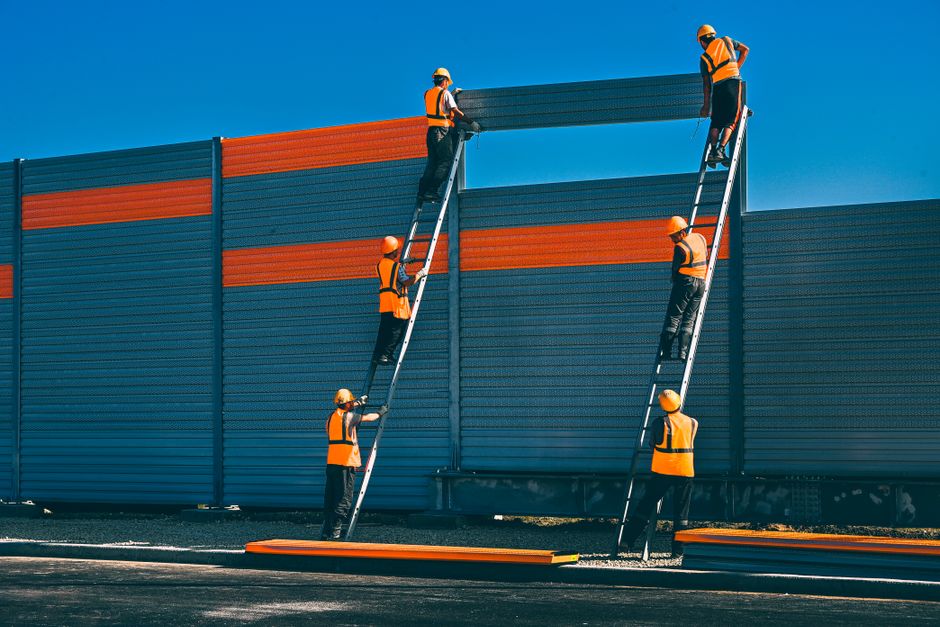
Most siding crews pause work once sustained wind climbs into the 20-25 mph range, and always during a tropical storm or hurricane watch. High wind makes it unsafe to handle large panels on ladders and scaffolding, and gusts can send loose materials flying. Contractors track local forecasts daily during hurricane season to plan around these windows.
Vinyl and fiber cement panels act like sails in a strong gust, which makes them hard to control on a ladder or lift. A dropped panel can damage the wall, injure a worker, or hit a vehicle parked below.
New Orleans sits close to the Gulf, so wind speeds can shift fast as a system moves onshore. A morning that starts calm can turn unsafe by early afternoon.
Experienced crews check hourly forecasts, not just the daily outlook, before deciding whether to start or continue a section of the house.
Contractors build weather contingency into the schedule itself, adding buffer days between phases so a storm pause does not strand a wall half-finished. The Atlantic hurricane season runs June 1 through November 30, with the highest storm activity from mid-August through mid-October, according to NOAA. Crews plan material deliveries and crew shifts around that window.
A well-run project schedules the most exposed phases, like removing old siding, in shorter blocks so a wall is never left uncovered overnight during storm season. Temporary weather barriers go up if a section has to pause partway through.
Materials get staged and protected on-site so a sudden downpour does not ruin a delivery sitting exposed in a yard. Crews plan this way across New Orleans and the surrounding parishes, not just on one job at a time.
None of this eliminates delays completely. It keeps them short, predictable, and safe instead of turning into a bigger repair.
If you want a siding timeline built around real New Orleans weather patterns, request a free estimate or call 504-608-7163.
Manufacturers require siding to be installed within a specific temperature and moisture range, so installing during rain or high humidity can void the product warranty. A short weather pause protects that coverage instead of threatening it. Materials get covered or stored properly during the delay so heat, sun, and moisture do not damage them before installation resumes.
James Hardie and most vinyl manufacturers publish installation guidelines that specify acceptable temperature and moisture conditions. Installing outside those guidelines, even to hit a deadline, can leave a homeowner without warranty protection later.
Wood siding is more forgiving on temperature but least forgiving on moisture, since raw or primed wood can absorb water quickly if left uncovered. A contractor who understands the material will cover an open section rather than risk it.
This is one reason a professional crew will not push through a storm just to stay on schedule.
A professional contractor communicates weather delays before they happen, not after a no-show. Expect a call or text the evening before or the morning of a scheduled work day if rain or wind is forecast, along with an updated timeline. Clear communication is the difference between a manageable pause and a frustrating surprise.
Ask your contractor how they handle delay notifications before the project starts. A company with a real process will describe it without hesitating.
During hurricane season, it helps to build a little flexibility into your own schedule too, especially around move-in dates or events tied to the exterior work.
Consistent updates, even short ones, keep a delayed project from feeling like an ignored one.
Most Metairie and New Orleans siding replacements take 4 to 7 days under normal conditions, and a hurricane-season project should plan for roughly 25-30% extra time to absorb weather pauses. That could mean a few extra rain days or, in a worse case, a multi-day pause around an actual storm. Building in that buffer up front keeps expectations realistic.
A single afternoon thunderstorm rarely adds more than a day. A tropical storm or hurricane watch can add several days, since crews may need to secure the site and wait for conditions to clear completely.
Homeowners who plan for some flexibility in their timeline tend to feel far less frustrated than those expecting an exact date with no room to move.
Worth knowing: choosing a lower-storm-activity season to start a project can also cut down on how often these pauses happen in the first place.
Yes. Big Easy Sidings schedules siding installation year-round in New Orleans, including through hurricane season, by building weather buffer days into every project timeline. Work pauses during active rain or high wind and resumes once conditions are safe, so the schedule adjusts instead of stalling completely.
James Hardie fiber cement can be installed in Louisiana’s humidity as long as the surface is dry and no rain is falling during application. High humidity alone does not stop work, but active moisture on the panels or wall does, since it affects how joints and sealants bond.
Most crews pause vinyl and fiber cement installation once sustained wind reaches 20 to 25 mph, and always during a National Hurricane Center storm watch or warning. Panels become difficult to control safely above that range, so contractors track hourly forecasts rather than one daily reading.
A professional New Orleans contractor typically notifies homeowners the evening before or the morning of a scheduled work day once a forecast shows rain or high wind. An updated timeline follows with each delay so the project stays on track once conditions clear.
No, a rain delay protects your warranty rather than threatening it. Manufacturers such as James Hardie require dry, temperature-appropriate conditions during installation, and pausing for weather keeps the project compliant with those requirements so coverage stays valid once the siding is complete.
A siding project that accounts for hurricane season from the start saves time, protects materials, and keeps your new exterior under full manufacturer warranty. The right planning turns weather from an unpredictable setback into a normal part of the schedule, communicated clearly along the way.
Big Easy Sidings serves homeowners across New Orleans, Metairie, Slidell, and the surrounding parishes with siding schedules built around real Gulf Coast weather.
Request your free, no-pressure estimate today at bigeasysidings.com/contact or call 504-608-7163 to talk through your timeline with a licensed, insured local team.
 Big Easy Sidings