

Call Our Experts!
Call Our Experts!

Fiber cement siding, engineered for high-humidity zones, generally offers the strongest moisture and mold resistance for New Orleans homes, followed by high-performance vinyl. Wood siding can work but demands far more upkeep in constant humidity, while a radiant barrier adds a moisture and heat control layer behind whichever cladding you choose. The right pick depends on your budget, maintenance tolerance, and how much protection your home needs from year-round moisture exposure.
Choosing a siding material is never just about color or curb appeal when you live somewhere humidity sits above 75% for most of the year. Some materials absorb moisture, swell, and eventually rot or grow mold behind the surface. Others shed water and resist decay no matter how many wet, sticky summers they endure. Picking the best siding materials for a humid climate means understanding how each option handles constant moisture exposure, not just how it looks on install day, and how it holds up over ten or twenty years of Gulf Coast weather.
Homeowners across southeast Louisiana deal with a specific combination of high humidity, frequent rain, and strong summer sun, and that combination is hard on the wrong siding. From New Orleans out to Metairie, Slidell, Covington, and Mandeville, houses face the same year-round moisture load, with extra wind-driven rain for homes right on Lake Pontchartrain. Big Easy Sidings installs and repairs siding across the New Orleans area, and material choice is what separates siding that holds up from siding that fails early. If you’re weighing your options for a new install or a full replacement, our team can walk you through what fits your home and your budget.
New Orleans averages around 76% humidity year-round with roughly 64 inches of rain annually, conditions that punish porous or poorly sealed siding materials. Constant moisture in the air finds any gap, seam, or absorbent surface and works its way in over time. Materials that trap or absorb water eventually swell, warp, or develop mold and mildew behind the panels. That’s why the material you choose matters more here than it would in a drier climate.
Siding failure in humid regions rarely happens overnight. It builds slowly through repeated cycles of moisture absorption and drying, which stresses seams, fasteners, and the substrate behind the cladding. Add in summer heat that keeps humidity trapped against exterior walls, and even a small installation gap can turn into a bigger repair a few years down the road. A material rated for high humidity resists that cycle instead of feeding it.

Fiber cement and vinyl consistently outperform standard wood siding when it comes to resisting moisture absorption, mold growth, and warping in a humid climate. The table below breaks down how each option typically performs against the conditions New Orleans homes face most.
| Material | Moisture Absorption | Mold/Mildew Resistance | Typical Upkeep in Humidity |
|---|---|---|---|
| Fiber cement (James Hardie HZ10) | Very low | High | Low |
| Vinyl | Very low | High (if sealed at seams) | Low to moderate |
| Wood | High | Moderate to low | High |
| Radiant barrier (added layer) | N/A | Reduces trapped moisture/heat | Low |
This kind of side-by-side view makes it easier to see why fiber cement and vinyl tend to be the go-to choices for homeowners who want fewer moisture-related repairs down the line.
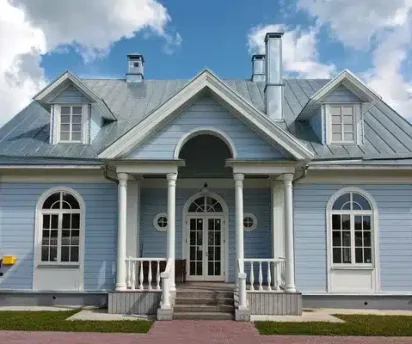
Fiber cement siding, including James Hardie’s HZ10 line built specifically for hot, humid, storm-prone climates, does not absorb moisture, swell, or warp the way wood-based products can. It’s engineered from cement, sand, and cellulose fibers, which makes it dense and largely impervious to the swelling that plagues softer materials. That density is also why it resists mold and mildew growth even under near-constant dampness.
James Hardie’s HardieZone system rates products by climate zone, and the HZ10 line is built for southern regions like ours that see hurricane-force wind, heat, and humidity. It pairs with a factory-applied finish that helps prevent moisture from working into the board over time. For homeowners who want a long-term, low-maintenance answer to Louisiana humidity, our James Hardie siding installation service is worth a look.
If you’re ready to compare options for your own home, call 504-608-7163 for a free quote.

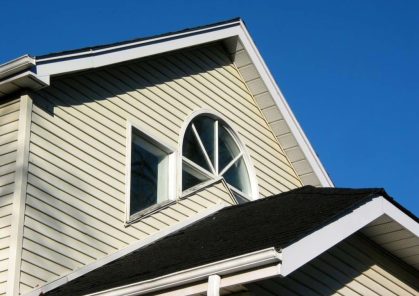
Vinyl siding holds up well in humid climates because it’s a solid plastic material that doesn’t absorb water, which keeps mold and rot from taking hold the way they can with organic materials. It sheds rain instead of soaking it in, and it won’t swell or split from repeated wet-dry cycles. That makes it one of the more budget-friendly options that still performs well against New Orleans humidity.
Where vinyl needs attention is at the seams and fastening points. Poor installation, loose panels, or gaps at corners can let moisture behind the siding even though the material itself resists water. Proper installation matters as much as the material choice, which is why our vinyl siding installation crews focus on tight seams and correct fastening for local conditions, including homes near Lake Pontchartrain that see extra wind-driven rain.
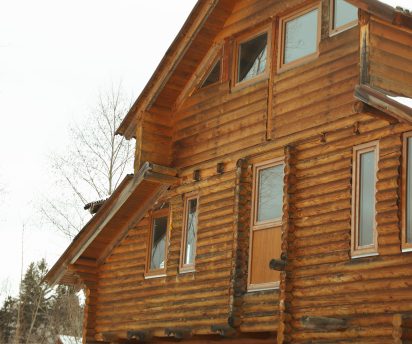
Wood siding can still work in New Orleans, but it sits at a disadvantage against fiber cement and vinyl because it’s a natural, porous material that absorbs moisture more readily. That absorption is what makes wood vulnerable to rot, swelling, and mold if it isn’t properly sealed and maintained. Homeowners who love the look of natural wood can still get good performance, but it takes more diligence than composite or vinyl options.
For homeowners set on a wood look, engineered or treated wood products narrow that moisture gap compared to raw lumber. Our wood siding team can talk through which wood products handle Gulf Coast humidity best if that’s the aesthetic you want for your home.
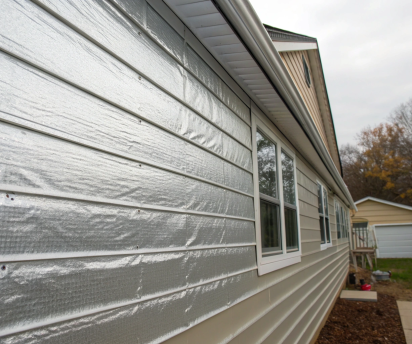
A radiant barrier installed behind your siding or in your attic reflects heat away from your home and can help reduce the moisture buildup that comes with trapped, humid air. It’s not a siding material itself, but it works alongside whatever cladding you choose to manage the heat and humidity that build up in wall cavities and attic spaces. That combination matters in a climate where summer heat and humidity hit at the same time, day after day for months.
Reducing trapped heat also reduces the conditions that let mold and mildew thrive inside wall assemblies. Pairing a radiant barrier installation with a humidity-resistant siding material gives your home two layers of defense instead of one.
Even the best siding material fails early if it’s installed without a water-resistive barrier, proper flashing, and correctly spaced fasteners, so installation quality matters as much as material choice. A continuous water-resistive barrier behind the siding stops moisture that gets past the surface from reaching your sheathing. Flashing at windows, doors, and roof lines directs water away from vulnerable seams instead of letting it pool against your home.
Corrosion-resistant fasteners also matter in a humid, storm-prone environment where standard hardware can rust and fail faster than the siding itself. Ask any contractor bidding on your project what water-resistive barrier and flashing details they include, not just what brand of siding they’re selling, since that detail work often decides how long the job actually lasts.
Fiber cement, particularly James Hardie’s HZ10 product line, offers the strongest resistance to moisture, mold, and swelling for homes in New Orleans and the surrounding Gulf Coast region. It’s engineered specifically for high-humidity, hurricane-prone climates like ours.
Yes, vinyl siding performs well in humidity because it doesn’t absorb water, though proper installation at seams and fasteners is critical. Vinyl remains a solid budget-friendly choice for New Orleans homeowners who want water resistance without the cost of fiber cement.
Wood siding absorbs more moisture than fiber cement or vinyl, which makes it more prone to rot and mold if it isn’t sealed and maintained regularly. It can still perform well with the right upkeep, but it requires more attention than composite alternatives.
A radiant barrier reduces heat and moisture buildup in attics and wall cavities, which lowers the conditions that let mold and mildew grow. It works alongside your siding material rather than replacing it.
Look for warping, soft spots, discoloration, or a musty smell near exterior walls, which often signal moisture has gotten behind the siding. An inspection across the New Orleans area can catch these issues before they spread.
Yes, a water-resistive barrier, proper flashing, and corrosion-resistant fasteners are just as important as the siding material for keeping moisture out. Even premium siding can fail early if these installation details are skipped.
Picking the right siding material means weighing moisture resistance, budget, and how much maintenance you’re willing to keep up with year after year. Fiber cement offers the strongest overall protection against humidity, vinyl provides a solid and affordable middle ground, and wood can work with consistent care. A radiant barrier adds another layer of protection against the heat and moisture that come with Gulf Coast summers.
Big Easy Sidings helps homeowners across New Orleans and the surrounding parishes choose siding built for local humidity. You can see our full lineup of options on the services page before deciding what fits your home.
Ready to talk through the best siding material for your home’s exposure and budget? Call 504-608-7163 or request your free quote online today.
 Big Easy Sidings