

Call Our Experts!
Call Our Experts!

A shotgun house or Creole cottage carries a look that no cookie-cutter siding job can fake. Get the siding for shotgun houses New Orleans homeowners actually need, and the narrow facade, deep porch, and tall windows all read as they should. Get it wrong, and even a brand-new install can flatten a hundred years of character.
The team at Big Easy Sidings works on these house types across the city and knows which materials hold their proportions and which ones fight them. Call 504-608-7163 for a free estimate on your shotgun house or Creole cottage.
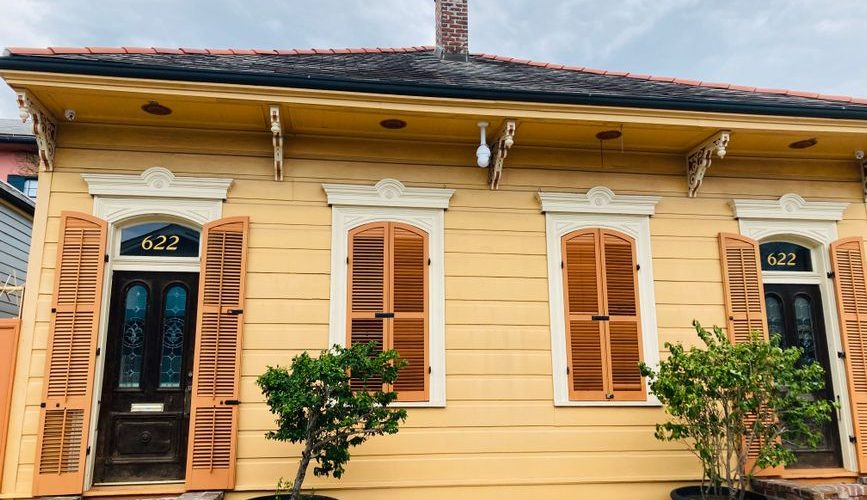
Shotgun houses are narrow, single-story homes built for tight city lots, with rooms lined up front to back and a gabled porch facing the street. Creole cottages sit wider and lower, with steep hip or side-gable roofs, deep galleries, and French doors instead of a single front entry.
Both styles grew out of New Orleans’ narrow lot sizes and hot, humid climate. Shotgun houses often ran no wider than 12 feet, so every exterior detail on that facade carries visual weight. Creole cottages, by contrast, spread two rooms wide and two rooms deep, with a gallery that almost touches the sidewalk.
The siding on either home has to respect those proportions. A material that reads fine on a wide suburban ranch can look clumsy on a facade this narrow or this low.
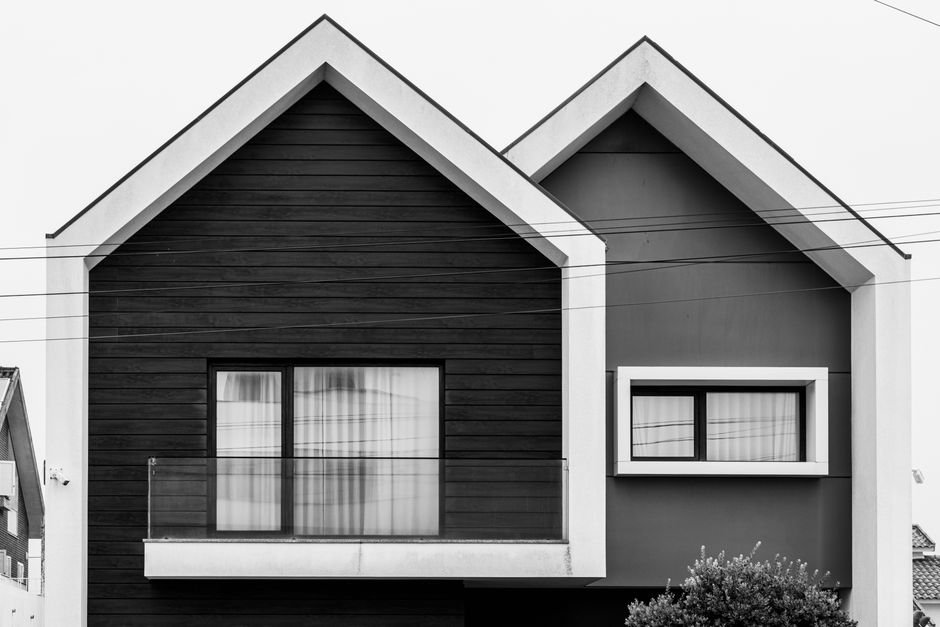
A narrow shotgun facade calls for siding with a tight, consistent lap profile that doesn’t compete with the porch brackets or trim. Traditional wood siding and fiber cement lap siding both hold that scale better than wide panel products.
Because a shotgun house presents one long, unbroken wall to the street, every horizontal line on that wall gets noticed. Wide, oversized lap profiles can make a 12-foot-wide facade look busy instead of tidy. A traditional 4-inch to 6-inch exposure keeps the proportions close to what the house was originally built with.
Color also does real work here. Shotgun houses in neighborhoods like Bywater and the Marigny are known for bright, saturated facades, and both wood and fiber cement siding take paint well enough to keep that tradition going.
Wood siding matches the traditional board profiles found on most Creole cottages, especially around galleries, French doors, and dormer trim. It takes custom millwork and paint detailing that manufactured panels often can’t replicate.
A Creole cottage’s gallery columns, heavy entablature, and shuttered French doors were built with wood in mind. Wood siding and matching wood trim let those details stay in proportion instead of getting boxed in by a stiffer material. Repairs can also target one damaged board instead of an entire wall section.
The tradeoff is maintenance. New Orleans humidity is hard on wood, so a wood exterior needs regular inspection, prompt repair, and repainting on a set schedule. Homeowners who want the authentic look but less upkeep often pair wood trim with a lower-maintenance siding field, which a licensed contractor can plan out during an estimate.
Not sure which route fits your budget and your house? Call 504-608-7163 for a free estimate and a straight answer on what your Creole cottage or shotgun house actually needs.
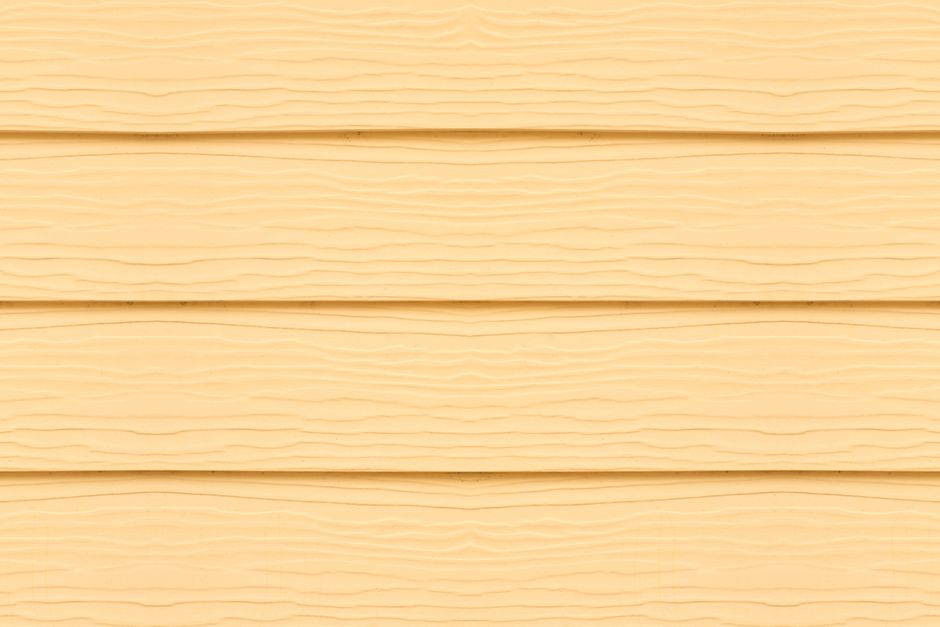
James Hardie fiber cement siding is milled in lap profiles that closely mimic traditional wood siding while resisting rot, humidity, and termites far better. It holds paint longer than wood, which matters for the bright colors these house styles are known for.
For both shotgun houses and Creole cottages, fiber cement offers a way to keep the traditional look without the constant upkeep wood demands. The board profiles come in widths that match historic exposures, so the facade doesn’t lose its narrow-lot proportions.
This material also handles New Orleans weather better over the long run. It won’t warp, cup, or invite termites the way untreated wood siding can, which matters on a house with this much exposed wall surface facing the street.
Weighing wood against fiber cement usually comes down to how much upkeep a homeowner wants to take on over the years.
Vinyl siding can work on a shotgun house or Creole cottage when the profile is a narrow, traditional lap style and the color stays close to historic palettes. It’s a budget-friendly option, though it won’t replicate deep wood trim details as closely as fiber cement.
Vinyl siding installation costs less upfront than wood or fiber cement, and modern vinyl profiles have improved from the wide, flat panels of decades past. Choosing a narrow exposure and a historically appropriate color keeps the facade from looking out of place.
Where vinyl falls short is around detailed trim. Gallery columns, bracketed porch overhangs, and French door surrounds usually need wood or fiber cement trim work paired with the vinyl field to keep those architectural details sharp. Some neighborhoods also require historic district review for exterior changes, so it helps to check before you commit to a material.
Protecting original details means having a contractor document trim profiles, porch brackets, and window surrounds before removing old siding, then matching those measurements in the new install. Reusing salvageable trim pieces keeps more of the house authentic.
Tall, narrow windows are a signature of both house types, and the trim around them needs careful handling during a siding job. A crew working too fast can damage window surrounds or mismatch reveal depths, which throws off the whole facade.
Deep front porches carry similar risk. Porch brackets, column bases, and ceiling boards should stay protected throughout the job, with siding installed to meet those elements cleanly rather than covering them up.
James Hardie fiber cement siding in a narrow lap profile is generally the best match for a shotgun house, since it holds the traditional proportions and resists Louisiana humidity better than untreated wood. A free estimate can confirm the right profile for your facade.
It should come close. Creole cottages read as authentic when the siding exposure, trim depth, and gallery details stay near the original wood profile, even if the material itself changes to fiber cement or another option.
Cost depends on square footage, material choice, and how much trim detail the porch and windows require. Free estimates are available on all siding services in New Orleans, so homeowners can get an exact number for their house.
Yes, if the profile is narrow and the color matches traditional palettes, vinyl siding can look appropriate on a shotgun house or Creole cottage. It works best paired with wood or fiber cement trim around porches and windows.
Wood siding still works well when it’s installed and maintained properly, though the city’s humidity means more frequent inspection and repainting than fiber cement requires. A licensed contractor can walk through the tradeoffs for your specific home.
Shotgun houses and Creole cottages carry proportions that took generations to get right, from the narrow facade to the deep gallery to the tall shuttered windows. Matching siding material and profile to that architecture keeps the house looking like itself, not like a generic remodel.
Big Easy Sidings installs and repairs James Hardie, wood, and vinyl siding across New Orleans with these house types in mind, and free estimates are available on every project.
Ready to talk through options for your shotgun house or Creole cottage? Request your free estimate or call 504-608-7163 today.
 Big Easy Sidings