

Call Our Experts!
Call Our Experts!

Choosing between cypress vs pine vs cedar siding matters more in New Orleans than almost anywhere else in the country. Louisiana’s humidity, heavy rain, and termite pressure test wood siding harder than a dry climate ever would. The species you pick affects how long your siding lasts and how much upkeep it demands.
Homeowners across the New Orleans area often ask which species fits this climate best when it’s time to repair or replace their siding. This guide compares cypress, pine, and cedar side by side so you can make a decision that fits your home and your budget. If you want a second opinion on your specific house, Big Easy Sidings offers a free estimate with no pressure to commit.
A good wood species for New Orleans siding resists rot from constant humidity, resists termites and other wood-boring insects, and holds up under heavy rain and storm exposure without warping.
New Orleans sits in a subtropical climate with high year-round humidity and a long wet season. Wood siding here faces more moisture exposure than siding in drier regions of the country. That moisture creates ideal conditions for rot, mold, and the termite species common to the Gulf Coast.
Cost and appearance matter too, but they come second to durability in this climate. A wood species that looks great but rots in five years costs more over time than one that costs a bit more upfront and lasts for decades.
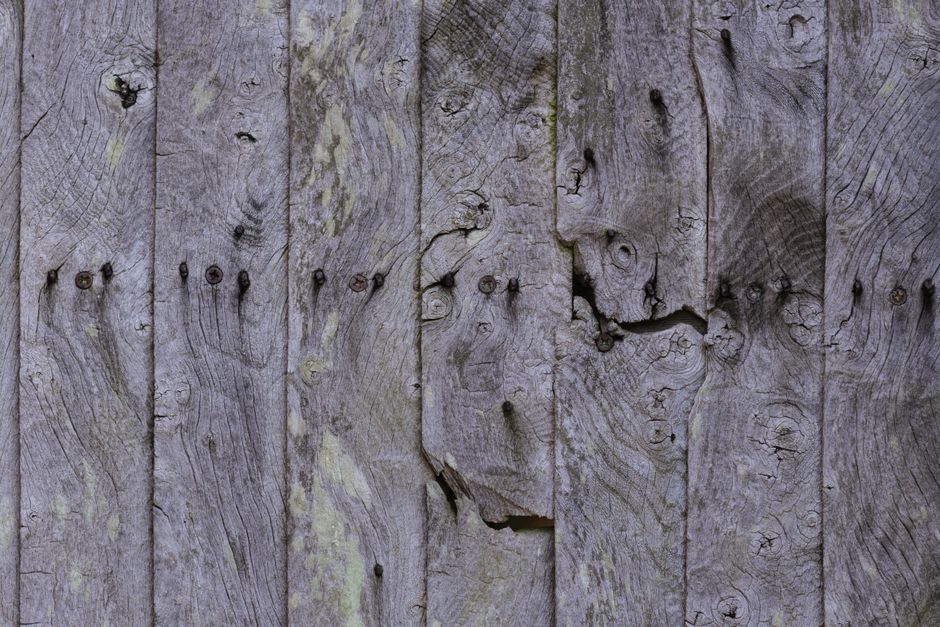
Cypress is Louisiana’s state tree and one of the most naturally rot-resistant woods available, making it a strong siding choice for New Orleans homes exposed to constant moisture.
Bald cypress heartwood contains a natural oil called cypressene that resists decay and discourages insects, including termites. This resistance developed because cypress trees grow in swamps and wetlands across the Gulf South, so the wood evolved to handle standing water and humidity.
Cypress has a long history as exterior siding in warm, humid cities including New Orleans, Charleston, and Savannah. Builders in this region have relied on it for generations because it holds up where other woods fail. It also grows locally, which historically made it easier to source in Louisiana than woods shipped in from other regions.
Cypress siding has a straight grain and a warm, honey-toned color that ages to a soft silver-gray if left unfinished. Many homeowners choose it specifically for that traditional Louisiana look on historic and craftsman-style homes.
Cedar is also naturally resistant to rot and termites, thanks to its own protective oils, and performs nearly as well as cypress in humid climates.
Western red cedar contains natural oils and resins that make it unappetizing to termites and resistant to decay. That puts it in the same performance tier as cypress for a New Orleans installation, though cypress is the regional native and often costs less to source locally.
Cedar tends to run at a higher cost tier than cypress in most parts of the country since it is typically shipped in from the Pacific Northwest rather than grown regionally. It has a tighter, more uniform grain than cypress and a reddish-brown tone that many homeowners like for a more polished, finished appearance.
Both species handle humidity well. The choice between them often comes down to appearance preference, availability, and cost rather than a clear performance winner.
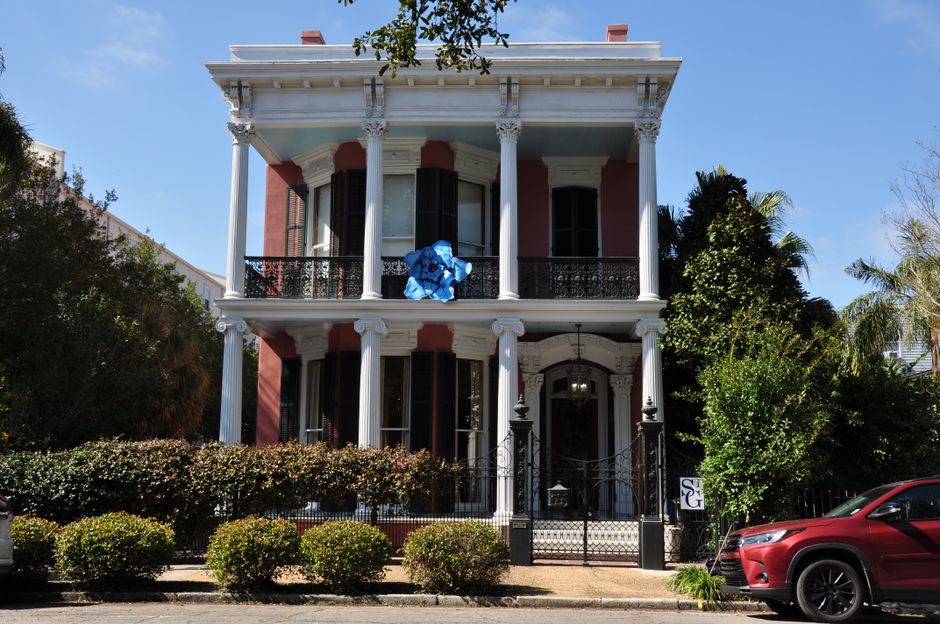
Pine offers little natural resistance to rot or termites, which makes it the weakest of the three species for New Orleans’ wet, insect-heavy climate.
Untreated pine is a favored food source for termites and breaks down quickly when exposed to consistent moisture. Builders in this region generally only use it for siding when it has been pressure-treated with chemical preservatives, and even then it needs closer maintenance than cypress or cedar.
Pine does have one clear advantage: it typically costs less upfront than cypress or cedar. That makes it tempting for homeowners working with a tight budget or for smaller repair jobs rather than full siding replacement.
If pine is your budget, expect more frequent inspections and a shorter service life. Homes near wooded lots or with known termite activity nearby should be extra cautious with untreated pine.
Ready to get your home evaluated in person? Call 504-608-7163 or browse wood siding services and a crew member will walk you through what fits your budget and your house.
| Wood Species | Rot Resistance | Insect Resistance | Cost Tier | Regional Availability | |—|—|—|—|—| | Cypress | High (natural oils) | High | Mid | Excellent (native to Louisiana) | | Cedar | High (natural oils) | High | Mid-High | Good (shipped from other regions) | | Pine | Low (untreated) | Low (untreated) | Low | Excellent |
For most New Orleans homes, cypress offers the best balance of rot resistance, insect resistance, and regional availability, with cedar as a strong alternative and pine reserved for treated, budget-driven projects.
If long-term durability and a traditional Louisiana look matter most, cypress is hard to beat. If you prefer cedar’s tighter grain and reddish tone and don’t mind a higher cost tier, it performs nearly as well in this climate.
Pine can work for smaller repairs or non-structural accents, but it needs pressure treatment and more frequent maintenance to survive New Orleans humidity long term. It generally isn’t the right call for full exterior siding in this region.
Every home has different exposure to sun, rain, and standing water depending on its lot and orientation. A professional walkthrough is the fastest way to know which species and installation approach fits your specific property.
Cypress typically costs more than untreated pine upfront but less over time, since it resists rot and insects without chemical treatment. Pine often needs pressure treatment and more frequent repairs, which adds cost across the life of the siding.
Cypress can be left unfinished, where it weathers to a silver-gray patina, or it can be painted or stained for a different look. Big Easy Sidings can advise on finish options based on your home’s exposure and style during a free estimate.
Cypress and cedar resist termites better than pine, but no wood is fully immune under the right conditions. Regular inspection and proper installation, including ground clearance, remain important even with rot-resistant species like cypress.
Properly installed wood siding from a rot-resistant species like cypress can perform well in Louisiana’s climate, though homeowners should also plan for periodic upkeep. A local contractor familiar with New Orleans storm exposure can factor that into the installation details during your estimate.
Signs like soft spots, visible insect damage, or warping usually point to repair, while widespread rot across multiple sections often means replacement makes more financial sense. A siding repair specialist can assess your New Orleans home in person and recommend the right path.
Cypress remains the strongest overall choice for New Orleans humidity and termite pressure, with the added benefit of being a Louisiana native wood. Cedar is a solid alternative for homeowners who prefer its grain and color, and pine can work in limited, budget-driven situations when properly treated and maintained.
Big Easy Sidings has installed and repaired wood siding across the greater New Orleans area and can help you weigh cypress, cedar, and pine against your home’s exposure, style, and budget.
Call 504-608-7163 or contact Big Easy Sidings for a free, no-pressure estimate on your wood siding project.
 Big Easy Sidings