

Call Our Experts!
Call Our Experts!

Homes in New Orleans’ historic districts, including the French Quarter, Garden District, and Faubourg Marigny, often fall under Historic District Landmarks Commission review, which restricts siding material, profile, and color changes regardless of what a neighborhood HOA separately allows. Getting approval before starting work avoids fines, stop-work orders, and the cost of redoing an installation that does not meet district guidelines.
New Orleans protects its architectural character through a layered system of historic district oversight that goes well beyond typical homeowners association rules. The Historic District Landmarks Commission, along with the Vieux Carre Commission for the French Quarter specifically, reviews exterior changes on covered properties to preserve the visual character that makes these neighborhoods historically and architecturally significant.
This oversight exists because the city recognizes that the cumulative effect of individual renovation decisions shapes an entire district’s character over time. A single vinyl-sided home in a block of original wood construction changes the streetscape in a way that is difficult to reverse once it happens, which is why the review process applies even to relatively modest projects like a single-wall repair, not just full renovations.
This means a siding project that would be a simple permit-and-install job in a newer subdivision can require a formal application, commission review, and sometimes a public hearing in a historic district. Big Easy Sidings has worked on projects across both historic and non-historic neighborhoods, and the difference in process is significant enough that it changes the entire project timeline.
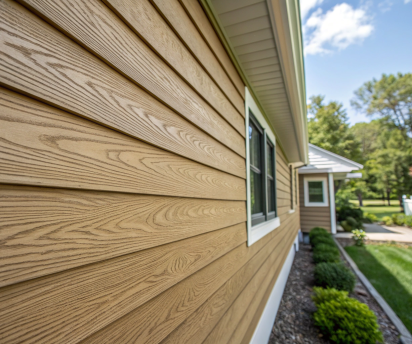
Material choice is usually the biggest restriction. Many historic districts require wood or an approved wood-look material rather than vinyl siding, since vinyl’s appearance and installation method differ enough from traditional wood lap siding that commissions often reject it outright on visible facades. Fiber cement products designed to closely replicate historic wood profiles are more commonly approved, but even those require review before installation begins.

Color is the second major restriction, and it is often more limiting than homeowners expect. Many districts maintain approved color palettes based on historical research into what colors were actually used on homes of that era and architectural style. This is a different consideration entirely from general aesthetic trends, our piece on siding color and mood covers popular choices for New Orleans homes broadly, but historic district homeowners need to check the commission’s approved palette first, since a color that works well elsewhere in the city may not be permitted on a historic facade.
Most historic districts require submitting a Certificate of Appropriateness application before any exterior work begins. This typically includes photos of the current condition, a description of the proposed material and color, and sometimes a sample board. Processing time varies, straightforward requests that match established precedent can move quickly, while unusual requests may require a hearing before the commission’s design review committee.
Working with a contractor experienced in historic district projects speeds this process considerably. We know which fiber cement profiles and colors have a strong track record of approval in specific neighborhoods, and submitting an application with that context reduces back-and-forth compared to a generic request. Our siding installation services include helping clients prepare documentation for commission review as part of the overall project scope.
Budget for extra time in your project schedule if you live in a historic district. Even a fast-moving application typically adds two to six weeks compared to a non-historic property, and that timeline can stretch further if the commission requests revisions to the initial proposal. Planning a historic district project with that buffer built in, rather than assuming it will move at the same pace as a standard permit, avoids unnecessary frustration once work is underway. Homeowners weighing whether to time a project around the best time of year to replace siding should factor in this additional review window as well.
Installing siding without required approval in a historic district can result in a stop-work order, fines, and in some cases a requirement to remove the unapproved material and start over with an approved alternative. This is one of the costliest mistakes a homeowner can make on a siding project, since it effectively means paying for the installation twice.

Selling a home with unapproved exterior modifications can also complicate a real estate transaction, since title searches and inspections in historic districts sometimes surface unresolved compliance issues from previous owners. Confirming your siding project has proper approval documentation protects not just your current investment but the resale process down the line, which ties directly into how much new siding can increase home value when the paperwork is in order.
Homeowners in historic districts often assume they have to choose between an approved traditional look and modern siding performance, moisture resistance, insulation, and durability. That tradeoff is smaller than it used to be. Modern fiber cement products replicate traditional wood profiles closely enough to satisfy most commission requirements while offering significantly better resistance to New Orleans humidity than the original wood siding these homes were built with.
If durability against humidity and pests is a top priority within the constraints of historic approval, our guide on the best siding materials for a humid climate discusses which options tend to satisfy both historic guidelines and long-term performance needs.
Some historic neighborhoods also have an active homeowners association layered on top of commission review, which means a project may need approval from both bodies before work can begin. HOA rules and historic commission guidelines do not always align perfectly, and in cases where they conflict, the more restrictive requirement generally governs. Checking both sets of rules early, ideally before finalizing a material or color choice, prevents the frustration of getting HOA approval only to have the historic commission reject the same plan.
A practical first step is requesting the written design guidelines directly from your HOA board and from the relevant historic commission before you meet with any contractor. Having both documents in hand during the material selection conversation lets your contractor cross-reference approved options against both sets of rules at once, rather than discovering a conflict after a proposal has already been submitted to one body or the other.
Neighbors who have recently completed approved projects on similar homes are also a useful resource. Seeing what has already passed review in your specific block gives a realistic sense of what colors and profiles are likely to be approved, often more reliable than general guideline documents alone, since commissions sometimes interpret their own written standards with some flexibility based on precedent.
The French Quarter, Garden District, Faubourg Marigny, and several other designated districts require review, typically through the Historic District Landmarks Commission or the Vieux Carre Commission depending on location.
Often not on visible facades. Many historic districts require wood or wood-look materials, though approved fiber cement products designed to replicate historic profiles are commonly accepted alternatives.
Straightforward requests matching established precedent can move relatively quickly, while unusual material or color requests may require a hearing before the design review committee, extending the timeline.
You risk a stop-work order, fines, and potentially being required to remove the unapproved siding and reinstall an approved alternative, effectively doubling the project cost.
No, they are separate. Some neighborhoods have both, and where the two conflict, the more restrictive requirement typically governs the project.
Yes. Many fiber cement products closely replicate traditional wood lap and board profiles closely enough to satisfy commission requirements while offering better moisture and pest resistance than original wood siding.
We help homeowners in historic New Orleans neighborhoods prepare documentation and select approved materials. Contact our team to get started, or call 504-608-7163 with questions about your neighborhood’s requirements.

 Big Easy Sidings