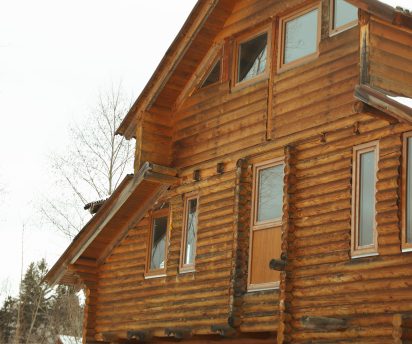


Call Our Experts!
Call Our Experts!

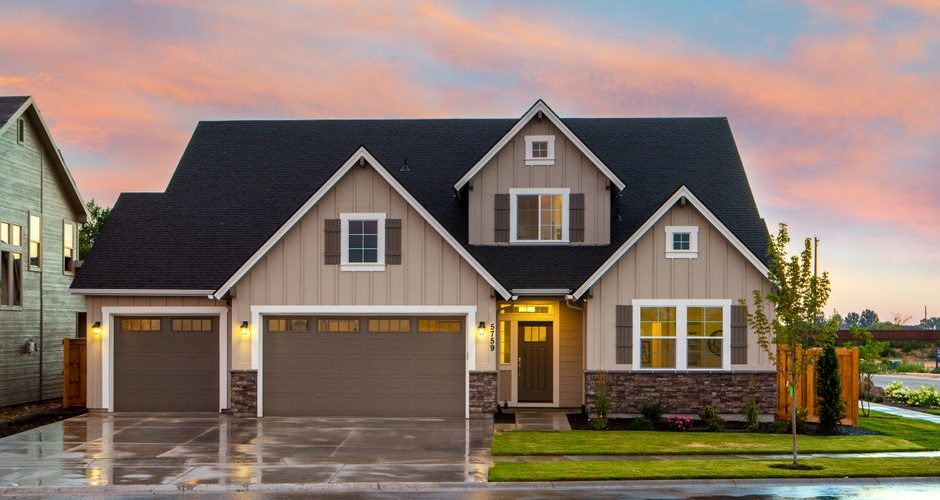
Picking between HardiePlank vs HardieShingle comes down to one question: what look do you want your home to have? Both are James Hardie fiber cement siding, built from the same durable material, but they create very different exteriors. One gives you clean horizontal lines. The other gives you the textured, layered look of cedar shakes.
Homeowners across the New Orleans area often reach out with the same question before starting a project. Big Easy Sidings has installed both styles on local homes and can walk you through which one fits your house. Call 504-608-7163 or request a free estimate to get a straight answer for your property.
HardiePlank is horizontal lap siding with overlapping boards, while HardieShingle mimics the staggered or straight look of cedar shakes. Both are made from the same fiber cement material but create different visual textures on a home’s exterior.
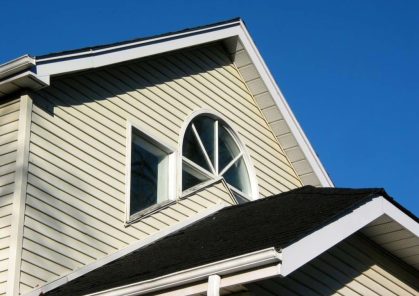
HardiePlank installs in long horizontal boards that overlap each course below it, in textures ranging from smooth to a woodgrain style called Select Cedarmill. It is the siding most people picture when they think of classic American home exteriors.
HardieShingle is a different product. It comes as panels shaped to look like individual cedar shingles, in either a straight-edge or staggered-edge pattern that mimics hand-split shakes, installed in sections rather than single boards.
Both share the same fiber cement blend, so neither is a “lesser” product. The choice comes down to style, not durability.
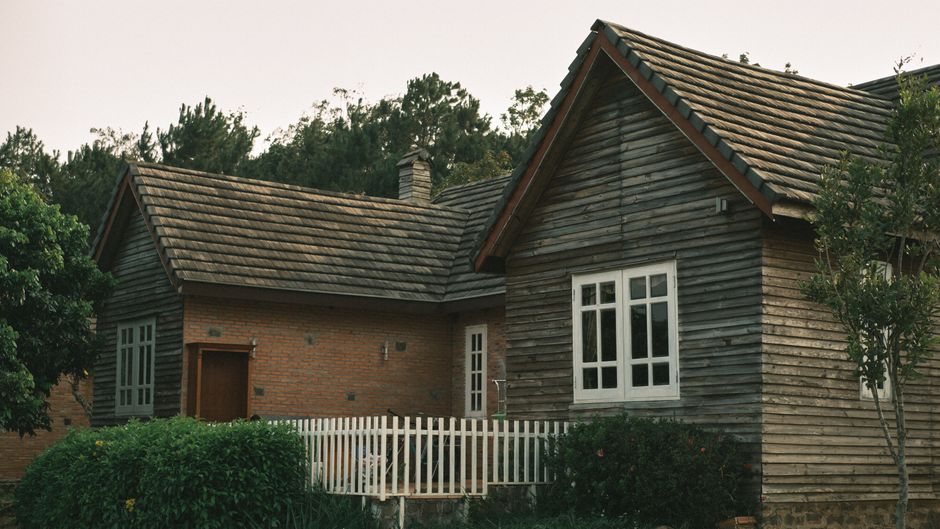
HardiePlank tends to suit Colonial, Federal, contemporary, and modern farmhouse homes with its clean horizontal lines. HardieShingle fits Cape Cod, craftsman, and cottage-style homes where a textured, shake-like exterior feels more natural.
New Orleans has a wide mix of architectural styles, from shotgun houses to raised cottages to newer farmhouse-style builds. A HardiePlank exterior generally works well on homes that already have simple, straight architectural lines. It looks neat and traditional without pulling focus from other exterior details like shutters or porch columns.
HardieShingle leans into texture. It suits homes with gabled roofs, dormers, or cottage-style porches where a shake pattern adds visual interest. Some homeowners mix the two, using HardieShingle as an accent on a gable while running HardiePlank across the main body of the house.
Neither style is locked to one house type. The right pick depends on your home’s existing lines.
Both HardiePlank and HardieShingle are engineered fiber cement products designed to hold up in wet, humid climates like New Orleans. Material performance is similar between the two styles, so climate is not usually the deciding factor between them.
Louisiana’s humidity, heavy rain, and occasional storm exposure make siding material choice important. Fiber cement resists moisture damage, swelling, and pest issues far better than untreated wood siding, one reason it holds up well in this region.
Because both styles share the same fiber cement composition, neither is more suited to New Orleans weather than the other. The bigger factor is proper installation, including correct flashing and spacing around joints and panel edges.
If you already know you want fiber cement for its climate performance, you can choose your style based on looks first. Get your free estimate or call 504-608-7163 to talk through the details for your specific property.
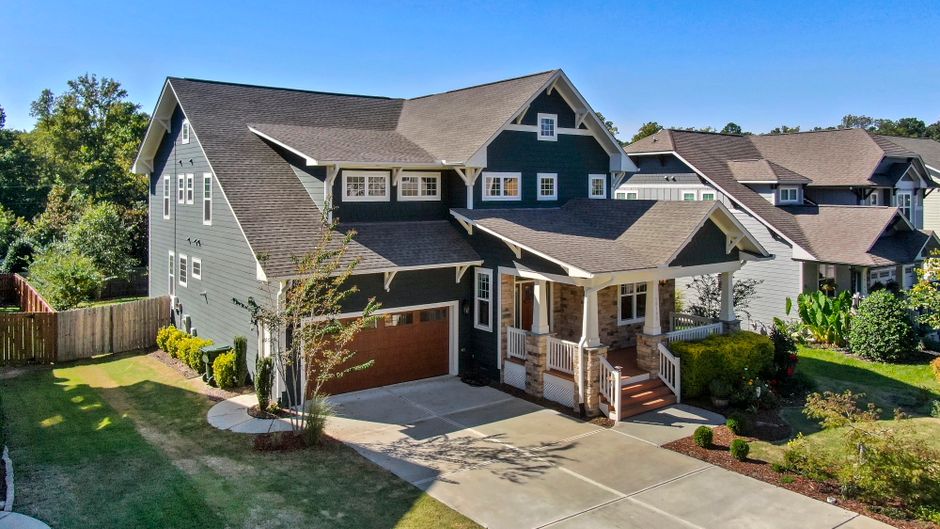
HardieShingle panels have a more detailed pattern than HardiePlank boards, which generally means a longer installation timeline. Homeowners should plan for more labor time and expect the installer to pay close attention to panel alignment.
Because HardieShingle comes in shaped panels rather than long single boards, installers spend more time fitting each section and lining up the staggered or straight pattern. This is not a sign of a harder or riskier job, just a more detailed one.
HardiePlank, by comparison, generally installs faster because each board runs the full width of the wall in fewer pieces. For homeowners on a tighter project timeline, that can matter.
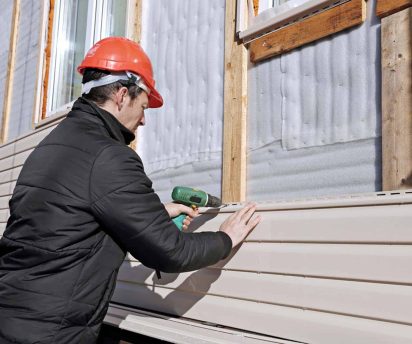
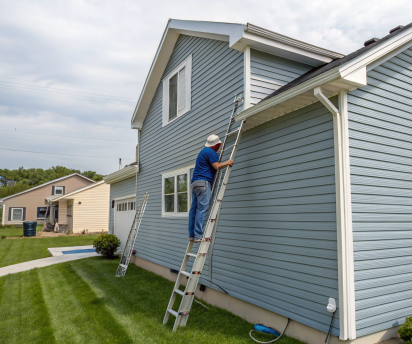
Either style should only go up with a licensed, experienced siding crew that understands proper spacing, fastening, and flashing for James Hardie products. A contractor familiar with both styles can also tell you honestly which one makes more sense for your home’s layout before work begins.
James Hardie does not publish a universal retail price for either product, since cost depends on the size of the job, the home’s layout, and local labor rates. As a general rule, more detailed siding styles tend to require more material and installation time.
HardiePlank’s straightforward board-and-overlap design generally uses labor more efficiently, since each course covers more wall area per piece installed. HardieShingle’s shaped panels and pattern work generally take more time per square foot to install correctly.
Rather than guessing at pricing online, the more reliable path is a written estimate based on your actual home. Square footage, trim details, and how much of the exterior you want in each style all affect the final number.
Big Easy Sidings provides free estimates on every siding project, with pricing that reflects your specific home rather than a generic rate.
| Feature | HardiePlank | HardieShingle | |—|—|—| | Profile | Horizontal lap boards | Shingle/shake panels | | Look | Clean, traditional lines | Textured, cottage style | | Best-fit home styles | Colonial, farmhouse, contemporary | Craftsman, Cape Cod, cottage | | Installation | Generally faster | More detailed, generally longer | | Material | Fiber cement | Fiber cement | | Humidity performance | Strong | Strong |
Choose HardiePlank if you want traditional horizontal lines and a straightforward installation. Choose HardieShingle if you want a textured, cottage-style look and don’t mind a more detailed install process. Both hold up equally well in New Orleans conditions.
There is no wrong answer between these two products. Some homeowners know immediately which style matches their taste. Others benefit from seeing both options against their home before deciding.
A short conversation with an installer who has worked with both styles locally can settle the question faster than browsing photos online. They can point out which lines will look best against your roofline, porch, and trim.
Yes. Many homeowners use HardieShingle as an accent on a gable, dormer, or upper story while running HardiePlank across the main walls. This is a common design approach for craftsman and cottage-style homes and works well with James Hardie’s color-matched product lines.
Generally yes, since its shaped panels and detailed pattern take more material and labor time to install than HardiePlank’s straightforward boards. James Hardie does not publish set pricing, so exact costs depend on your home’s size and layout. A written estimate gives the most accurate number.
No. Both HardiePlank and HardieShingle are made from the same fiber cement material and perform similarly in humid, storm-prone climates like New Orleans. The style you pick should come down to appearance and your home’s architecture, not durability concerns.
HardiePlank’s horizontal lines generally suit Colonial, Federal, contemporary, and modern farmhouse homes. It gives a clean, traditional appearance that works well with simple trim and straightforward rooflines common across many New Orleans neighborhoods.
The best way is to see both styles compared against your actual house, not just photos online. Big Easy Sidings offers free estimates that include guidance on which James Hardie style fits your home’s architecture and your goals for the project.
Choosing between HardiePlank vs HardieShingle comes down to the look you want and how your home’s architecture supports it. Both are built on the same trusted fiber cement material, so you are not sacrificing performance either way. The right choice is the one that fits your house and your taste.
If you want to see both styles side by side on your own property, Big Easy Sidings can walk you through samples and give an honest recommendation based on your home’s layout.
Ready to compare your options in person? Request your free estimate or call 504-608-7163 to schedule a visit with a licensed, insured local siding team.
 Big Easy Sidings