

Call Our Experts!
Call Our Experts!

Insulated siding, vinyl panels built with a solid foam backing, can add R-2 to R-5.5 of insulation value and trim heating and cooling use by roughly 2 to 7% compared to standard siding. In a humid climate like New Orleans, much of the real benefit comes from tighter air sealing around the wall, not the foam alone. Homeowners weighing insulated siding should look at the energy savings alongside its noise reduction and impact resistance.
Summer electric bills in the Gulf South climb fast once the air conditioner runs nearly nonstop from May through September. That reality sends homeowners looking for ways to cut costs before the next heat wave, and insulated siding often comes up as an option worth checking. Unlike standard siding, insulated panels include a layer of rigid foam fused to the back, adding measurable R-value to the exterior wall. The real question is whether that added insulation lowers energy bills enough to notice, or whether the difference is too small to matter.
Big Easy Sidings installs and repairs siding across New Orleans and the surrounding parishes, and this question comes up in nearly every summer consultation. This guide breaks down what insulated siding actually does, what the data shows about savings in a hot, humid climate, and how it compares to other siding options. Visit the Big Easy Sidings homepage for full service details, or call 504-608-7163 to talk through your home’s specific needs.
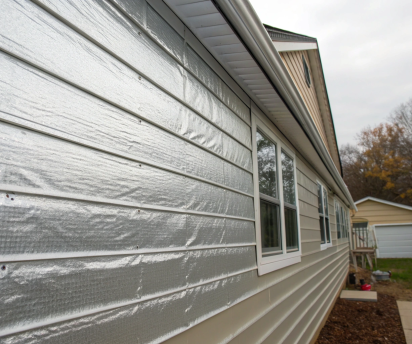
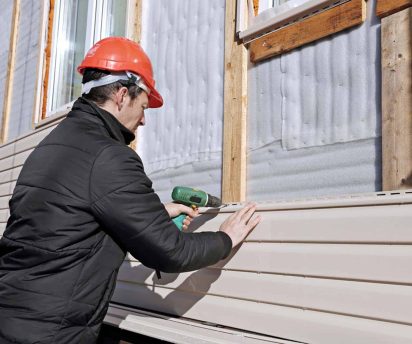
Insulated siding is vinyl siding manufactured with a layer of rigid foam, usually expanded polystyrene, permanently attached to the back of each panel. Standard vinyl siding has no foam backing and relies entirely on whatever insulation already exists inside the wall cavity. The foam layer adds continuous insulation across the exterior, which cuts down on thermal bridging at the wall studs.
Most insulated panels add somewhere between R-2 and R-5.5 to a wall, depending on foam thickness and manufacturer. Some premium products use about 1.5 inches of expanded polystyrene foam to reach R-5 of continuous insulation. That number sits on top of whatever insulation already exists inside the wall, it does not replace it. The foam also stiffens the panel, so it resists denting and holds a straighter line along the wall.
For homeowners who want the look and low maintenance of vinyl with better thermal performance, insulated vinyl siding options are usually the starting point for this kind of upgrade. The tradeoff is price, since insulated panels typically cost more per square foot than standard vinyl because of the extra material and manufacturing step. For most homeowners, the decision comes down to whether the energy and durability gains are worth that upfront difference.

Industry testing on re-sided homes has found average energy savings around 5.5%, with heating and cooling use dropping 2 to 7% compared to homes with standard, non-insulated siding. Some homes recorded savings closer to 14% annually when the old siding had gaps or damaged sheathing underneath. Results vary based on a home’s existing insulation and air leaks.
Those figures come from studies that compared identical homes with and without insulated siding installed. The gains were not only from added R-value. Sealing up small gaps and cracks during installation also cut air leakage, improving air tightness by 11% to 25% in some of the homes tested. Less air leaking in or out means the air conditioner cycles less often to hold a set temperature.
In New Orleans, Entergy customers already see electric bills where cooling costs make up more than half the total charge during peak summer months. A wall that loses less cool air during a July afternoon translates into an HVAC system that runs less. The savings will not erase a summer bill, but they add up over years of ownership.
If your current siding is more than 15 years old, or you have noticed drafts near exterior walls, call 504-608-7163 to schedule a free estimate on insulated siding options for your home.
Insulated siding helps in New Orleans by reducing heat transfer through exterior walls during long, humid summers when air conditioners run nearly nonstop. The foam backing does not block moisture by itself, so house wrap and flashing still matter as much as the R-value. Correct installation matters more than the product alone in this climate.
New Orleans sits in a humid subtropical climate zone, which means moisture management matters as much as insulation. Any siding upgrade should include a water-resistant barrier behind the panels, regardless of whether the siding itself is insulated. Homeowners in Metairie, Kenner, and Slidell face the same combination of high heat, high humidity, and frequent storms, so the wall assembly needs to handle heat gain and moisture together.
Attic heat is a separate problem from wall heat, and siding alone will not fix it. Pairing insulated siding with a radiant barrier installation addresses the roof side of the equation, since attics in this climate can reach well over 140 degrees Fahrenheit in summer. Together, the two upgrades cover more of a home’s exterior heat gain than either one on its own.

Insulated siding typically costs more than standard vinyl siding, and that extra cost pays back through energy savings over roughly 5 to 10 years in most homes. Homeowners staying long term, or those with older, poorly insulated walls, tend to see the clearest return. In an already well-insulated home, the payback stretches longer.
New Orleans homeowners often weigh more than energy costs when comparing siding materials. Insulated panels resist minor dents better than standard vinyl and dampen outside noise, which helps on busier streets or near heavy traffic. A licensed contractor can review the home’s current wall condition and estimate a realistic payback timeline before work starts.
The right choice depends on budget, climate priorities, and how long the homeowner plans to stay in the house. Insulated vinyl siding offers a strong balance of upfront cost and energy savings for most New Orleans homes, while James Hardie fiber cement prioritizes fire resistance and long-term durability over insulation value. A contractor can compare both against the home’s condition.
Vinyl siding, insulated or not, remains the more affordable option and works well across most New Orleans architecture styles. James Hardie siding costs more upfront but holds up against humidity, pests, and storm debris with less maintenance over time. Homeowners focused mainly on lowering summer energy bills usually get more direct value from insulated vinyl than from switching materials for insulation reasons alone.
To compare insulated vinyl against James Hardie fiber cement for your specific home, call 504-608-7163 and ask about a free estimate on both options.
Yes, though the savings are moderate rather than dramatic. Independent testing on re-sided homes found average energy savings of roughly 5.5%, mainly from added R-value and tighter air sealing around the panels. In a market like Entergy New Orleans, where cooling is a large share of the summer bill, that reduction still adds up over several years.
Most insulated vinyl panels add between R-2 and R-5.5 of continuous insulation to an exterior wall, depending on the foam thickness. Some premium products, like Alside Prodigy, use about 1.5 inches of expanded polystyrene foam to reach R-5. That value sits on top of whatever insulation already exists inside the wall cavity.
It depends on the priority. Insulated vinyl siding usually wins on upfront cost and energy savings, while James Hardie fiber cement holds up better against fire, pests, and long-term wear in Louisiana’s humidity. Many homeowners choose based on budget and how long they plan to stay in the home.
No, insulation and moisture control are separate jobs. Insulated siding needs the same house wrap and flashing details as standard vinyl siding to keep water out of the wall assembly, which matters most in New Orleans’ humid climate. Skipping proper moisture barriers can cause problems no matter how much R-value the siding adds.
Most homes see a payback period of roughly 5 to 10 years based on typical energy savings and installation costs. Homes with older, poorly insulated walls or higher existing bills through Entergy New Orleans tend to see a faster return. Homes that are already well insulated see a longer payback window.
Yes, the two upgrades address different parts of the home. Insulated siding reduces heat moving through the walls, while a radiant barrier blocks radiant heat in the attic before it reaches living spaces in a New Orleans attic. Combining both is a common strategy for homeowners aiming for maximum summer efficiency.
Insulated siding will not cut a New Orleans electric bill in half, but it does chip away at one of the biggest drivers of summer cooling costs: heat moving through exterior walls. Between the added R-value, tighter air sealing during installation, and extra durability against storms and daily wear, it is a reasonable upgrade for homeowners already due for new siding.
Big Easy Sidings has installed and repaired siding across New Orleans, Metairie, Kenner, Slidell, and the surrounding parishes, and can walk through whether insulated vinyl, James Hardie, or a radiant barrier pairing fits your home and budget best.
Ready to find out what insulated siding could save on your next energy bill? Call 504-608-7163 or contact Big Easy Sidings today for a free estimate.
 Big Easy Sidings