

Call Our Experts!
Call Our Experts!

Summary
Siding replacement in New Orleans typically costs between $17,000 and $30,000 for a standard home in 2026, depending on the material, home size, and project complexity. Vinyl siding starts around $4 per square foot installed, while fiber cement and wood options range higher. Big Easy Sidings provides free on-site estimates for homeowners across the New Orleans metro area.
If you have been putting off replacing the siding on your New Orleans home, plenty of your neighbors are in the same spot. The longer you wait, the more our subtropical climate has a chance to do serious damage. Whether your siding is cracking from years of UV exposure, warping from moisture, or showing signs of impact damage from past hurricane seasons, 2026 is a smart time to act.
But before you call a contractor, you probably want to know: how much does siding replacement actually cost in New Orleans?
This guide breaks down what local homeowners are paying this year, what drives costs up or down, and how to make sure you’re budgeting accurately for your specific home.
Siding costs in the Greater New Orleans area vary widely depending on the material you choose, the size of your home, and the complexity of the job. Here’s a realistic overview of what to expect in 2026:
| Siding Material | Installed Cost Per Sq Ft | Avg. Total Cost (2,000 sq ft home) |
|---|---|---|
| Standard Vinyl | $4 to $12 | $8,000 to $24,000 |
| Insulated Vinyl | $8 to $14 | $16,000 to $28,000 |
| Fiber Cement (James Hardie) | $8 to $14 | $16,000 to $28,000 |
| Wood Siding | $7 to $16 | $14,000 to $32,000 |
| Metal Siding | $7 to $20 | $14,000 to $40,000 |
For most New Orleans homeowners replacing siding on a standard 1,500 to 2,500 square foot home, total project costs commonly fall between $17,000 and $30,000 when you factor in materials, labor, and removal of the existing siding.
Note: These are installed cost ranges. The final price for your home will depend on several local factors, which we cover in detail below.
Heat, humidity, storms, and termites make New Orleans a demanding place for exterior materials, and that shapes pricing in a few key ways:
 Standard-grade siding products that perform fine in drier northern climates often fail prematurely in South Louisiana. New Orleans averages over 64 inches of rainfall annually, and the air stays humid for much of the year.
Installers here often recommend (and install) products specifically rated for high-humidity and high-wind environments, which cost more upfront but dramatically outperform cheaper alternatives.
Hurricane exposure puts wind uplift near the top of the list for exterior cladding here, and your city or parish permit office can tell you what the code requires at your address. Wind-rated products are common in new installations, and proper installation with specific fastening patterns adds both time and labor cost to any project.
Formosan termites are a well-known problem across the New Orleans metro. Any siding job that doesn’t include proper moisture barriers, treated underlayment, and pest-resistant materials is cutting corners. Quality companies build this into their pricing, and it’s money well spent.
Most siding replacement projects in the area involve removing existing layers of siding, which adds $1,000 to $3,000 to the total cost. Homes with stucco, aluminum, or multiple layers of old vinyl may fall toward the higher end of that range.
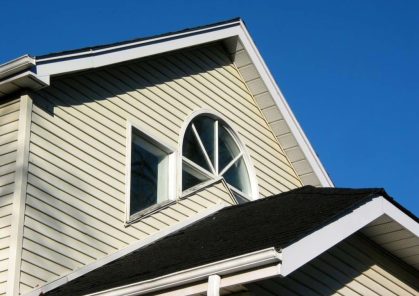
Vinyl siding remains the most popular choice in New Orleans because it’s affordable, moisture-resistant, and comes in a wide range of colors and profiles. In 2026, vinyl siding installation runs $4 to $12 per square foot installed, making it the most accessible option for homeowners watching their budget.
Standard vinyl performs well in heat and humidity and won’t rot or require regular painting. However, lower-end vinyl can become brittle over time with intense UV exposure, so mid-grade or premium vinyl products are recommended for the Gulf Coast climate.
Insulated vinyl siding, which incorporates a layer of rigid foam backing, runs $8 to $14 per square foot installed. The added cost comes with meaningful benefits for New Orleans homes: improved energy efficiency, greater wall rigidity, and better impact resistance during wind events. Pairing it with a radiant barrier in the attic can cut summer heat gain further.
Fiber cement, most commonly installed as James Hardie products, has become the go-to choice for homeowners who want long-term performance in Louisiana’s challenging climate. James Hardie makes climate-specific product lines, and its HZ10 line is engineered for hot, humid, hurricane-prone southern climates.
Fiber cement siding installation in New Orleans runs $8 to $14 per square foot installed, putting it in the same ballpark as insulated vinyl on a project-cost basis. The key difference is longevity: while vinyl typically lasts 20 to 40 years depending on material grade (with economy-grade products in hot, humid climates like New Orleans often falling toward the lower end), fiber cement can last 50 to 100 years with proper maintenance.
For homeowners who plan to stay in their home for decades or want to maximize resale value, fiber cement often delivers a better long-term return.
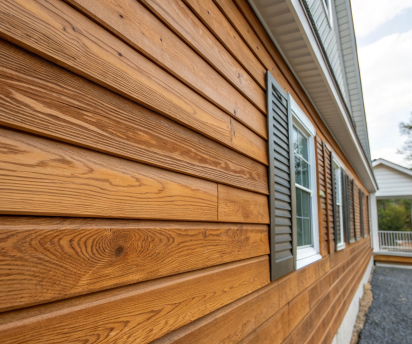
New Orleans is a city that loves its architectural character, and wood siding, particularly lap siding and board-and-batten profiles, has an undeniable charm that fits the historic and craftsman aesthetic of many local neighborhoods. Wood siding installation runs $7 to $16 per square foot installed in 2026.
The challenge with wood in New Orleans is maintenance. Without consistent sealing, painting, and inspection, wood siding is vulnerable to moisture intrusion, mold, rot, and termite damage. For homeowners willing to invest in upkeep, wood is a beautiful option. For those who want lower long-term maintenance, fiber cement or vinyl will serve them better.
Beyond material choice, several additional variables will shape the final cost of your siding project:
Permits: Some projects in Orleans Parish and the surrounding parishes require building permits, and homes in a New Orleans historic district may also need Vieux Carre Commission or HDLC approval for exterior work. Your installer should handle this, but factor permit fees and review time into your planning.
 The most reliable way to budget for siding replacement in New Orleans is to get two or three on-site estimates from licensed, experienced local contractors. A good contractor will measure your home’s square footage accurately, assess the condition of existing materials, identify any potential hidden damage, and give you a written quote that breaks down materials, labor, and removal costs separately.
Avoid “per square foot” bids that don’t account for your home’s specific complexity. Those estimates often result in change orders and cost overruns. If you want a straightforward starting point, call 504-608-7163 to schedule a free on-site evaluation with Big Easy Sidings.
Whether you’re replacing aging vinyl, upgrading to fiber cement, or repairing storm damage from a recent hurricane season, Big Easy Sidings has the local experience and material knowledge to do the job right.
We install vinyl, fiber cement (including James Hardie products), and wood siding across New Orleans and the surrounding metro area. Every project comes with quality craftsmanship, clear communication, and a commitment to getting it done on time.
Contact Big Easy Sidings today for a free on-site estimate, and find out exactly what your siding replacement will cost.
We serve New Orleans, Baton Rouge, Covington, Gretna, Hammond, Kenner, Metairie, Slidell, and nearby communities across southeast Louisiana.
For a 2,000 square foot home in New Orleans, most homeowners spend between $17,000 and $30,000 for a full siding replacement. Vinyl projects typically land on the lower end, while fiber cement and wood siding fall in the middle to upper range.
Standard vinyl siding is the most affordable choice, starting around $4 per square foot installed. For New Orleans’ climate, mid-grade to premium vinyl is recommended over entry-level products, which can crack or fade in the intense Gulf Coast heat.
Homeowners insurance may cover siding replacement if the damage is caused by a covered peril such as hurricane wind damage, hail, or a falling tree. Damage from age, general wear, or neglected maintenance is typically not covered. Always document storm damage promptly and contact your insurer before starting repairs.
Vinyl siding typically lasts 20 to 40 years in the New Orleans climate, with economy-grade products closer to 20 years and premium-grade lasting 35 to 40 years. Fiber cement can last 50 years or more. Wood siding, if well-maintained, can last 30+ years, though it demands more consistent upkeep in South Louisiana’s humid conditions.
For most New Orleans homeowners, yes, especially if you plan to stay in the home long-term. Fiber cement is more resistant to moisture, termites, impact damage, and UV fading. The higher upfront cost is often offset by lower maintenance expenses and a longer lifespan compared to standard vinyl.
 Big Easy Sidings