

Call Our Experts!
Call Our Experts!

Warped panels, cracks, bubbling paint, rising energy bills, and musty smells inside the house are the clearest signs a home needs new siding. In New Orleans, humidity and storm exposure speed up these problems, so catching them early prevents rot, mold, and costly structural repairs.
Siding takes the brunt of every rainstorm, heat wave, and gust of wind that hits a house, and it does that job quietly until it starts to fail. Most homeowners do not notice a siding problem until paint is peeling on the inside of the house or a utility bill jumps for no clear reason. Knowing the warning signs your New Orleans home needs new siding early can mean the difference between a straightforward repair and a full tear-off. The clues are usually visible from the yard, if you know what to look for.
Big Easy Sidings has walked hundreds of New Orleans properties and knows which signs mean “keep an eye on it” and which mean “call someone now.” The company’s homepage outlines its James Hardie, vinyl, wood, and radiant barrier siding services for local homes. If any of the warning signs below sound familiar, a free estimate can settle the question before small damage turns into a bigger repair bill.
The earliest signs are visible on the outside of the house: warping, cracking, fading, and panels that no longer lie flat against the wall. These changes usually show up gradually, so a homeowner who checks the exterior twice a year tends to catch problems while they are still cheap to fix. Left alone, small cracks and gaps widen with every rainstorm and heat cycle.
Check corners, seams, and areas where siding meets a window or door frame, since water finds its way in there first. A panel that looks different from its neighbors, in color, texture, or angle, deserves a closer look.
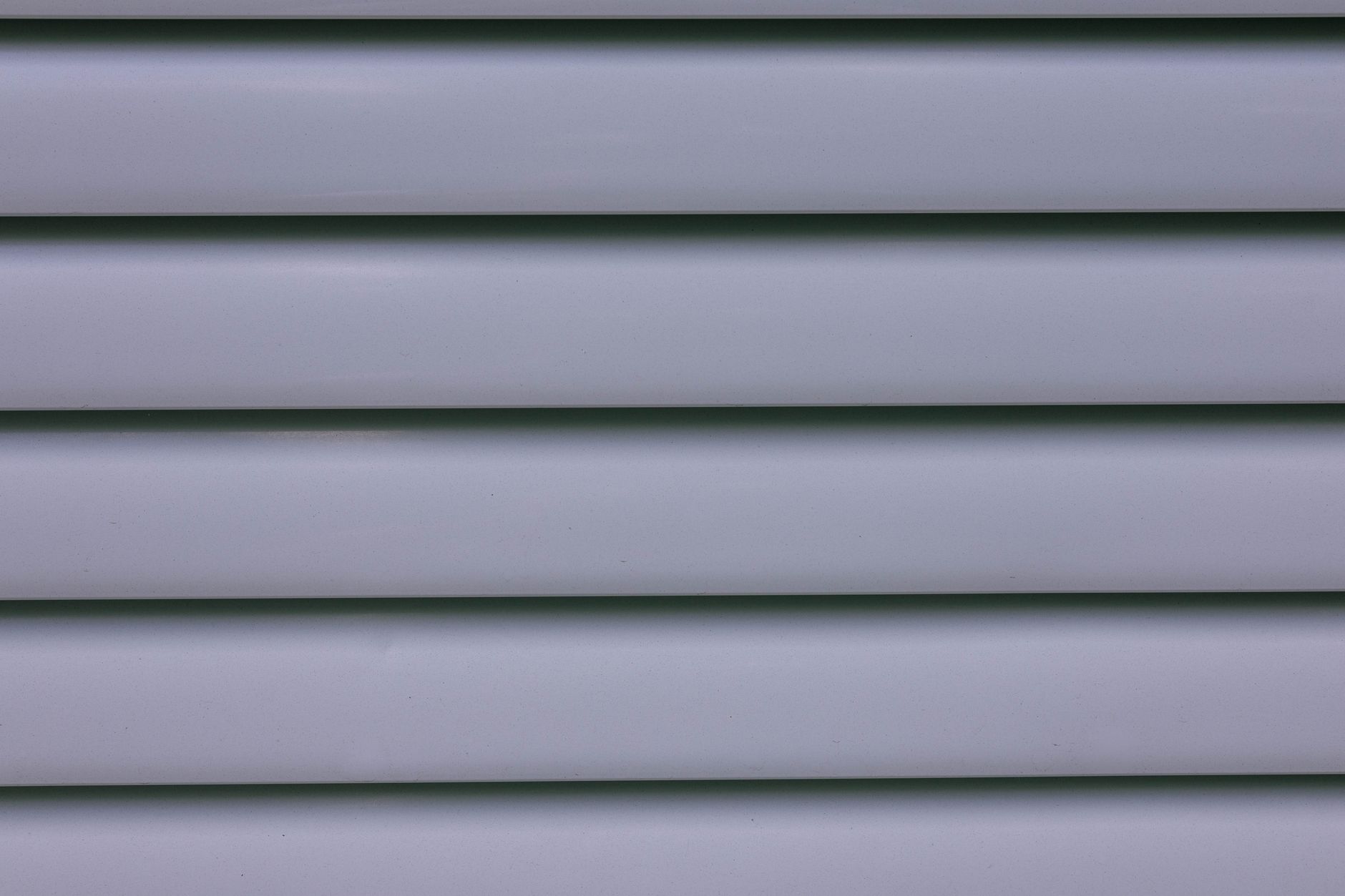
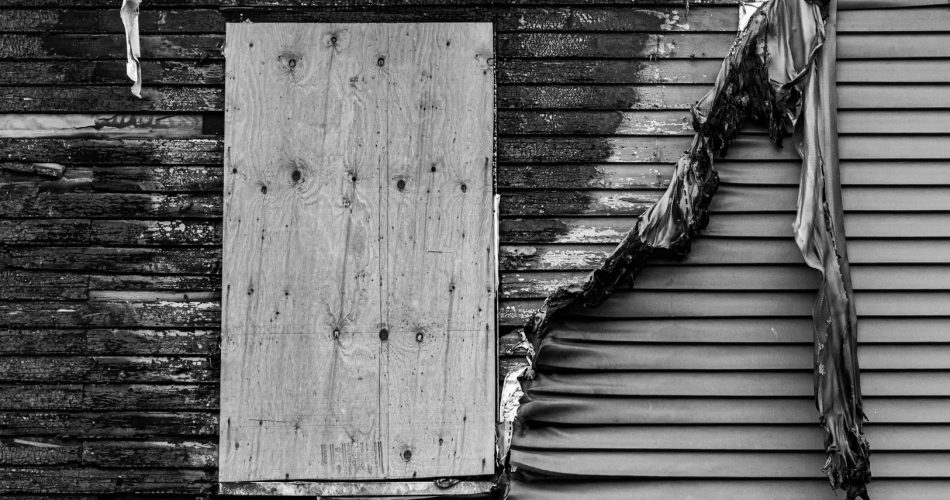
Warping and buckling almost always mean moisture has gotten trapped behind the siding, and the panel is reacting to trapped water or heat instead of lying flat. This is different from normal fading or dirt buildup. A warped panel signals a problem underneath the surface, not just on top of it.
Vinyl siding can buckle when installed too tightly, or bulge when water gets behind it during a storm. Wood siding warps as it absorbs and releases moisture unevenly in humid air. Either way, a panel that no longer sits flush against the wall should be checked before the next round of rain.
Cracks, holes, and loose panels are entry points for water, pests, and humid air, and each one lets a small problem spread behind the siding where it cannot be seen. A crack the width of a pencil is enough for wind-driven rain to push moisture into the wall cavity during a storm. Loose panels rattle in wind and pull further away from the house with every gust.
Termites and carpenter ants are drawn to soft, damp wood siding, so a hole that looks like pest damage often is. Cracked James Hardie or vinyl siding is less likely to attract insects, but it still lets water past the surface if the crack is not sealed quickly. A quick inspection after any named storm is worth the time, since wind-driven rain during Gulf Coast systems tends to find every existing weak point.
If a walk around the property turns up more than one or two of these issues, it is worth getting a professional opinion before winter rains make things worse. Call 504-608-7163 to schedule a look at the affected area.

A noticeable jump in heating or cooling costs, with no other explanation, often means siding has stopped doing its job as a barrier against outside air. Cracked, warped, or gapped siding lets conditioned air escape and lets outside heat and humidity into the wall cavity. Over a full summer in New Orleans, that gap adds up fast on a utility bill.
Homes with aging siding and no radiant barrier tend to see the biggest swings between summer and winter energy use. Vinyl siding that has separated from the wall no longer blocks wind the way it used to, and gaps around trim let conditioned air escape. Comparing a summer bill to the same month last year is a simple way to check whether siding, not just the AC unit, deserves a look.
Peeling interior paint, musty odors, damp drywall, or ceiling stains near exterior walls often mean water has been getting behind the siding for a while before anyone noticed it outside. By the time a sign shows up indoors, the damage has usually been building for months. These clues are frequently the first ones a homeowner actually notices.
A musty smell in a bedroom or hallway that will not go away, even after cleaning, often points to trapped moisture inside a wall cavity. Soft spots on interior drywall near an exterior wall, or a stain that keeps reappearing after painting over it, both suggest water is getting in from outside.
New Orleans humidity, heavy rainfall, and hurricane season combine to push moisture into siding faster than in drier climates, which means small gaps turn into rot and mold sooner than homeowners expect. A crack that might sit harmlessly for years in a dry region can lead to trapped moisture within a single humid summer here. That is why local inspection habits matter more than a one-size-fits-all maintenance schedule.
Wood siding is especially sensitive to this cycle, since it absorbs moisture from humid air and releases it as temperatures shift, which is part of why the wood siding page recommends regular inspections for rot, mold, and termite activity. Vinyl siding resists moisture better but can still trap water behind it if a seam separates during a storm, as covered on the vinyl siding page.
Spotting these signs early keeps small repairs from becoming full replacements and helps keep energy bills predictable through New Orleans summers. It also protects indoor air quality, since trapped moisture behind siding is a common source of household mold. Homeowners who inspect twice a year and after storms tend to spend far less than those who wait until damage is obvious from the street.
Big Easy Sidings inspects James Hardie, vinyl, and wood siding across New Orleans and can recommend a repair or a full replacement based on what is actually happening behind the panels, not just what is visible from the sidewalk. Visit the Big Easy Sidings homepage to see the full range of siding options available for local homes.
Twice a year is a good baseline for New Orleans homes, once in spring and once in fall, plus an extra check after any named storm or hurricane. Big Easy Sidings recommends walking the full exterior each time, paying close attention to corners, seams, and areas near windows and doors.
Sometimes. A single warped panel can often be replaced without redoing the whole wall, but widespread warping across a wall usually points to a moisture problem that will keep affecting new panels too. A contractor can tell after inspecting how far the damage has spread.
Vinyl siding shows different signs than wood, including bubbling, cracking, and fading, rather than rot or termite damage common to wood. Both materials can buckle or separate from the wall when moisture gets trapped behind the panel during storms.
Not always, but a musty smell near an exterior wall that will not go away is worth investigating, since it often points to trapped moisture behind the siding. Big Easy Sidings can check whether the source is siding-related or coming from another part of the home.
Not necessarily. If damage is limited to one section and the surrounding siding is sound, a targeted repair is often enough. A full inspection is the only way to know whether the problem is isolated or has spread behind neighboring panels.
James Hardie fiber cement siding resists moisture, wind, and impact better than older wood or aging vinyl siding, which is part of why it carries a strong manufacturer warranty. Homeowners replacing storm-damaged siding often move to James Hardie for that added durability.
If any of the signs above match what you are seeing on your house, do not wait for the next storm to make the decision easier. Call Big Easy Sidings at 504-608-7163 or visit the contact page to schedule a free siding inspection today.
 Big Easy Sidings