

Call Our Experts!
Call Our Experts!

Summary
Slidell, LA homeowners can protect wood siding from summer heat and UV damage by applying UV-blocking sealants, cleaning regularly, maintaining ventilation, and addressing cracks before they spread. Big Easy Sidings helps Slidell residents keep wood siding in top condition through proper coatings, timely repairs, and seasonal maintenance strategies built for Louisiana summers.
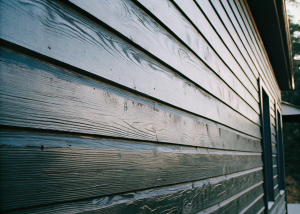 Slidell sits on the north shore of Lake Pontchartrain, where summer humidity and direct sun exposure take a heavy toll on wood siding. From June through September, temperatures regularly push into the 90s, and the midday sun in southeast Louisiana is intense. That combination causes fading, cracking, warping, and moisture intrusion if siding is left unprotected. Big Easy Sidings works with Slidell homeowners to keep wood siding looking great and performing well, even through the harshest Louisiana summers.
The good news: most heat and UV damage to wood siding is preventable. The strategies below cover everything from basic cleaning to advanced coatings, with specific guidance for Slidell’s climate and housing stock. Whether you have a newer home in Eden Isles or an older property along the Bayou Liberty corridor, this guide will help you protect your investment.
Louisiana’s extreme summer temperatures make Slidell siding especially vulnerable. However, consistent maintenance can stop damage before it starts. Below are the essential steps every Slidell homeowner with wood siding should follow.
Clean your siding at least twice a year, with an additional wash in late spring before the worst of summer heat arrives. Slidell’s proximity to Lake Pontchartrain means algae and mildew growth happens faster here than in drier climates.
Use a soft bristle brush and mild detergent mixed with warm water. Dish soap works well for routine cleaning. Work from top to bottom, rinsing each section before moving on. Avoid pressure washers set above 1,500 PSI, as high pressure can splinter wood fibers and push water behind siding boards.
Pay extra attention to north-facing walls and shaded areas where moisture lingers. In Slidell, morning dew and humid air off the lake can keep shaded surfaces damp well into the day, creating ideal conditions for mold and algae.
UV-blocking semi-transparent stains provide the strongest combination of UV defense and moisture protection for Slidell’s climate. Reapply every 3 to 5 years, or sooner if water no longer beads on the surface.
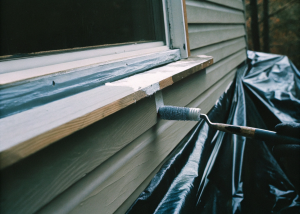
Semi-transparent stains allow the wood grain to show while adding a protective UV filter. Solid stains offer even more UV protection but hide the natural look of the wood. Both outperform clear sealants in high-UV environments like Slidell. For south-facing and west-facing walls that absorb the most afternoon sun, consider products with built-in UV inhibitors and mildewcides.
Test your current sealant by splashing a small amount of water on the surface. If the water soaks in rather than beading up, the coating has broken down and needs to be reapplied before summer.
Walk the perimeter of your home twice a year and look for splitting boards, curling edges, and color changes. Catching these signs early in Slidell’s climate prevents small issues from turning into costly repairs.
Fading on south-facing and west-facing walls is the first sign that UV protection is wearing thin. Warping often follows, especially when wood absorbs moisture on one side and dries unevenly from sun exposure on the other. Gray discoloration means the wood fibers themselves have started breaking down.
Run your hand along the surface. If the wood feels rough, splintery, or brittle, it has already lost significant structural integrity. At that point, sealing alone may not be enough, and board replacement should be considered.
Small cracks and gaps let moisture behind the siding, where it causes rot, mold growth, and insect damage. In Slidell’s humid summers, even a hairline crack can lead to serious problems within a single season.
Fill small cracks and gaps with weatherproof exterior caulk. For split boards, use epoxy wood filler rated for outdoor use. Keep a small supply of these materials on hand so you can make repairs the same day you spot damage, rather than waiting and letting moisture do more harm.
Proper airflow behind and around siding prevents moisture from getting trapped, which is one of the leading causes of rot and warping in Slidell homes. Vented soffits and clear downspout channels are essential.
Make sure soffit vents are not blocked by insulation, paint, or debris. Direct downspouts at least 5 feet away from your home’s foundation to prevent water splash-back onto lower siding. Trim vegetation back at least 12 inches from all siding surfaces. In Slidell, dense landscaping combined with high humidity creates microclimates where moisture never fully dries.
Slidell’s seasons each bring different stresses to wood siding, but summer is the most demanding. The combination of intense UV, high heat, and afternoon thunderstorms creates a cycle of expansion, contraction, and moisture exposure that accelerates wear. Here is how to stay ahead of it.
Schedule a thorough inspection and cleaning in late May or early June, before the worst heat arrives. Follow up by resealing any areas where the coating has worn thin, especially on sun-exposed walls.
Look for loose boards, blistering paint, or early signs of UV fading during your spring walkthrough. South-facing and west-facing walls take the most punishment in Slidell, where afternoon sun angles are steep from May through August. Reflective coatings applied to these walls can reduce heat absorption and slow the rate of UV breakdown.
Most UV-resistant finishes last 5 to 7 years when properly applied. However, in Slidell’s climate, plan to inspect annually and touch up high-exposure areas more frequently.
Use flexible sealants designed to handle thermal expansion, and add shade structures or strategic tree planting to reduce direct sun exposure on your siding. These steps lower surface temperatures and reduce the expansion-contraction cycle that causes cracks.
Rigid sealants crack as wood expands and contracts through Slidell’s daily temperature swings. Flexible polyurethane or silicone-based sealants move with the wood. Awnings, pergolas, and shade sails can drop surface temperatures on sun-exposed walls significantly, reducing thermal stress. If you are considering a siding material that handles heat better than wood, James Hardie fiber cement siding is engineered to resist UV fading and thermal warping.
Strategically placed trees, shrubs, and drought-resistant plants can block direct sunlight without trapping moisture against the siding. The key is maintaining clearance between plants and the siding surface.

Live oaks and crepe myrtles are common in Slidell and nearby Covington and provide excellent canopy shade for west-facing walls. Keep tree limbs trimmed back at least 3 feet from the siding to allow airflow and prevent branches from rubbing against surfaces during storms. Trellises with climbing plants can also shade lower wall sections while adding curb appeal. Just make sure plants do not contact the wood directly, as trapped moisture encourages rot.
Beyond routine maintenance, several advanced strategies can extend the life of wood siding in Slidell’s demanding climate. These approaches are particularly valuable for homeowners who want to keep natural wood rather than switching to a lower-maintenance material like vinyl siding.
| Coating Type | UV Protection Level | Reapplication Interval | Best Use in Slidell |
|---|---|---|---|
| Clear Sealant | Low | 1 to 2 years | Shaded walls, low-exposure areas |
| Semi-Transparent Stain | Moderate to High | 3 to 5 years | Most exterior walls, general protection |
| Solid Stain | High | 4 to 6 years | South and west-facing walls with full sun |
| Exterior Paint (acrylic-latex) | Highest | 5 to 7 years | Maximum coverage, hides wood grain |
In Slidell, semi-transparent stains offer the best balance of UV protection and natural wood appearance. For walls that face afternoon sun, solid stains or high-quality exterior paint provide an extra layer of defense worth considering.
Yes. Reflective coatings reduce heat absorption by bouncing sunlight away from the wood surface. Light-colored or metallic-finish coatings are most effective on unshaded walls that receive direct sun for several hours each day.
These coatings lower the surface temperature of the siding, which reduces thermal expansion and slows UV degradation. In Slidell, where afternoon temperatures on sun-facing walls can climb well above the ambient air temperature, reflective coatings can make a measurable difference in siding lifespan. Pairing a reflective coating with a radiant barrier behind the siding further reduces heat transfer into your home.
Nanotechnology-based coatings create an invisible barrier against UV rays, moisture, and heat at the molecular level. Some newer formulations include self-healing properties and infrared-reflective pigments.
Self-healing coatings can fill small scratches on their own, maintaining the protective layer without manual touch-ups. Infrared-reflective pigments allow darker colors to stay cooler than they normally would, giving Slidell homeowners more color options without the heat penalty that dark-stained wood usually carries.
Routine cleaning and sealing are homeowner tasks, but some situations call for a licensed siding contractor. If you notice any of the following, it is time to get an expert assessment:
These signs often point to problems beyond surface wear. Trapped moisture, failed flashing, or inadequate ventilation may be the real issue. An experienced installer can diagnose the root cause and determine whether repair, partial replacement, or full siding replacement is the most cost-effective path forward. If you are unsure, call Big Easy Sidings at 504-608-7163 for an honest evaluation.
Protecting wood siding from Louisiana’s intense summer heat and UV exposure takes consistent effort, but the payoff is a home that looks great and avoids costly repairs. Slidell homeowners who stay on top of cleaning, sealing, ventilation, and early damage repair get years of additional life out of their siding.
Big Easy Sidings provides siding installation, repair, and maintenance across Slidell and the greater New Orleans metro area. We serve New Orleans, Baton Rouge, Covington, Gretna, Hammond, Kenner, Metairie, Slidell, and nearby communities across southeast Louisiana.
Request your free estimate today and find out how to keep your wood siding protected for years to come.
Every 3 to 5 years for semi-transparent stains, or sooner if water stops beading on the surface. South-facing and west-facing walls in Slidell may need reapplication on the shorter end of that range due to higher UV exposure.
Uneven moisture absorption combined with high heat causes wood to expand and contract unevenly, leading to warping. One side absorbs humidity or rain while the sun-facing side dries rapidly, creating internal stress in the boards.
Yes, but keep the pressure below 1,500 PSI and use a wide-angle tip. High pressure can splinter wood fibers and force water behind the siding, causing more damage than it prevents.
Paint provides the highest UV protection but hides the wood grain. Semi-transparent stains offer a strong balance of UV defense and natural appearance, making them the most popular choice for Slidell homeowners who want to preserve the look of real wood.
Soft or spongy wood, widespread rot, boards that crumble when probed, and persistent moisture behind the siding all indicate replacement is more practical than repair.
 Big Easy Sidings