

Call Our Experts!
Call Our Experts!

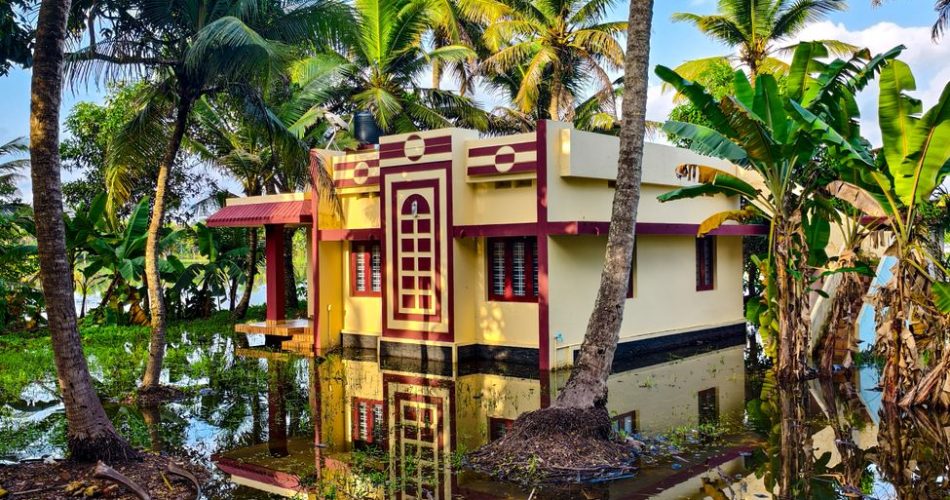
Homes in coastal and flood-prone parts of the New Orleans area need siding that resists sustained moisture exposure, not just occasional rain, since periodic flood events, storm surge, and chronically high water tables put these materials under more stress than a typical inland home experiences. Fiber cement and certain vinyl products with sealed, moisture-resistant backing generally outperform solid wood and standard foam-backed panels in these conditions.
Homes near Lake Pontchartrain, along the Mississippi River, and in low-lying parishes face a different set of siding demands than homes further inland. Periodic flooding, elevated groundwater, and brackish water right along the lakefront all accelerate material degradation in ways that standard humidity resistance testing does not fully capture. A siding product rated for a typical humid climate is not automatically rated for repeated direct water contact during flood events.
The distinction matters because manufacturer testing for most siding products focuses on rain exposure and general humidity, not the kind of sustained submersion a flood event produces. A material can carry excellent ratings for everyday New Orleans weather and still perform poorly if the bottom few feet of a wall sit in standing water for days at a time, which is a real possibility for many homes in low-lying neighborhoods during a significant storm.
Big Easy Sidings works with homeowners throughout the flood-prone parts of the metro area, and material selection for these properties starts from a different baseline than a standard renovation, prioritizing water tolerance at the base of the wall specifically, since that is the zone most exposed during a flood event.
Fiber cement generally performs best in flood-prone conditions since it does not absorb water into a structural fiber the way wood does, and it does not soften or delaminate the way some lower-grade vinyl or foam-backed products can after sustained submersion. It is not fully flood-proof, but it recovers better than most alternatives once floodwater recedes and the area is allowed to dry.

Solid wood is the poorest performer in flood-prone conditions, since prolonged water exposure at the base of a wood-sided wall accelerates rot dramatically compared to normal rainfall exposure. Homeowners in flood-prone areas who are drawn to a wood look should strongly consider engineered wood or fiber cement alternatives designed to replicate that appearance, since the flood risk changes the cost-benefit calculation compared to a home further from the water. Our comparison of vinyl siding versus fiber cement covers general performance differences that apply here as well.
For homes built on piers or elevated foundations, common throughout flood-prone parts of the region, the siding used on the lower skirting or foundation enclosure often needs a different specification than the siding used higher on the home. This lower zone experiences the most direct flood contact and benefits from materials specifically rated for ground contact or flood resistance, distinct from the standard wall siding above it.
Proper flashing and a well-designed water barrier behind the siding matter even more in flood zones than in a standard installation, since these homes may experience water intrusion from below as well as from wind-driven rain. Our siding installation services include wall assembly details specific to elevated and flood-zone homes, not just the visible siding material itself.
Ventilation gaps built into the wall assembly help the structure dry out faster after any water exposure, whether from a flood event or ordinary storm rain. Homes with sealed, tightly fitted siding and no ventilation path trap moisture longer, which extends the window during which mold and rot can develop after any water intrusion event, large or small.
Homeowners weighing whether to also add insulated siding to a flood-prone home should ask specifically about how the foam backing performs after water exposure, since not all insulated products drain and dry the same way. Our piece on insulated siding and energy bills is worth reading alongside this flood-specific guidance before making a final material decision.
Homes in FEMA-designated flood zones often face specific building code requirements for materials used below the base flood elevation line, and using non-compliant materials in that zone can affect flood insurance eligibility or premium calculations. Confirming your specific flood zone designation and the applicable code requirements before selecting materials avoids a costly mismatch discovered later during an inspection or claim.

Homeowners in these areas often ask whether siding choices affect their flood insurance premium the same way wind-rated materials can affect wind coverage. The relationship is less direct for flood insurance specifically, since flood premiums are driven primarily by elevation and flood zone designation rather than exterior material, but code-compliant materials below the base flood elevation are still required for coverage eligibility in many cases. Our related piece on how new siding can affect homeowners insurance covers the wind-side discount opportunities that apply more broadly across the region.
Before you pick a material, find out where your home actually stands. FEMA’s Flood Map Service Center at msc.fema.gov is the official place to look up the flood map for your address, and your parish or city permit office can tell you which base flood elevation applies. That number decides which parts of the wall need flood-resistant materials and how the lower skirting on a raised home should be finished.
Risk also changes across the area we serve. Homes close to Lake Pontchartrain, in places like Slidell and Mandeville, face different flood exposure than homes that only see street flooding after a heavy downpour. For wall sections that could sit below the flood line, James Hardie fiber cement is usually a safer pick than wood.
If your home has experienced flooding, do not assume siding that looks fine after drying is undamaged. Water can wick up behind panels well above the visible waterline, and trapped moisture in the wall assembly leads to mold and rot even when the exterior surface appears intact. A professional inspection after any significant flood event is worth the cost, particularly for wood or engineered wood products where hidden moisture is harder to detect than on fiber cement or vinyl.
Document the flood line and any visible damage with photos immediately after water recedes, before cleanup begins. This record supports insurance claims and gives your contractor a clear reference point for how high moisture likely traveled behind the siding, even in sections that look untouched from the outside. Waiting too long to document, or cleaning up before photographing, makes it much harder to reconstruct an accurate picture of the damage later.
Homeowners rebuilding after flood damage should also review our guide on siding repair versus replacement, since flood recovery often presents a natural opportunity to upgrade to more flood-tolerant materials rather than simply replacing what was there before with the same vulnerabilities.
Rebuilding after a flood is also a reasonable time to revisit the wall assembly as a whole, not just the visible siding layer. If the original construction lacked adequate ventilation or used a moisture barrier that has since failed, addressing those underlying issues during the rebuild prevents the next flood or heavy storm season from causing the same damage all over again in a few years.
Fiber cement generally performs best since it does not absorb water into a structural fiber and recovers well after floodwater recedes, unlike solid wood, which is the poorest performer in flood conditions.
Yes, homes below the base flood elevation line often face specific material requirements under building codes, particularly for the lower skirting or foundation enclosure area most exposed to direct flood contact.
Yes. Water can wick up behind panels above the visible waterline, leading to hidden mold and rot even when the exterior surface appears undamaged after drying.
Not as directly as it affects wind insurance. Flood premiums are driven primarily by elevation and flood zone designation, though code-compliant materials below the base flood elevation may still be required for coverage eligibility.
Higher-grade vinyl with sealed, moisture-resistant backing can perform reasonably well, though fiber cement generally offers stronger overall resistance to sustained moisture exposure in flood-prone conditions.
It is possible but risky, since prolonged flood exposure accelerates wood rot significantly. Engineered wood or fiber cement alternatives designed to replicate a wood look are generally a safer choice in these areas.
We help homeowners in flood-prone parts of the metro area choose materials built for the conditions they actually face. Contact our team to discuss your property, or call 504-608-7163 for a consultation.
 Big Easy Sidings