

Call Our Experts!
Call Our Experts!

Yes, termites can damage siding, especially wood siding and any wood trim behind vinyl or fiber cement panels. Formosan subterranean termites, an invasive species with a heavy presence in the New Orleans area, are capable of chewing through wood siding, fascia, and framing before homeowners ever notice a problem. Fiber cement and vinyl siding resist termite feeding far better than wood, though gaps and damaged sections can still let termites reach the wood framing underneath.
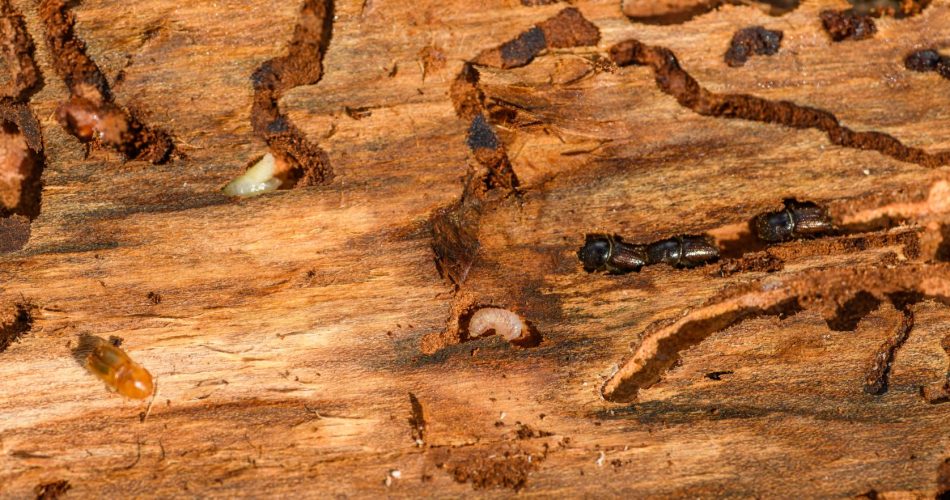
Termite damage to siding is a real concern for homeowners in southeast Louisiana, and it often goes unnoticed until the damage is severe. Termites feed on cellulose, the main component of wood, which makes wood siding, trim, and fascia boards an easy target once a colony finds a way in. Because termites tunnel through wood from the inside, siding can look fine on the surface while the wood underneath is already compromised.
New Orleans sits in one of the worst areas in the country for Formosan subterranean termites, an aggressive invasive species that arrived in Louisiana decades ago and has spread through most of the region since. Big Easy Sidings repairs and replaces termite-damaged wood siding across the New Orleans area. Visit the Big Easy Sidings homepage to see siding options, or contact the team for help assessing damage on your home.
Termites can eat through wood siding directly, and they can also reach wood trim, fascia, and framing hidden behind vinyl or fiber cement panels through small gaps and cracks. Wood siding gives termites a direct cellulose food source, and once a colony establishes a feeding tube against a wall, it can tunnel through boards from behind without leaving obvious surface holes. Vinyl and fiber cement panels are not a food source themselves, since neither contains the cellulose termites need, but they do not stop termites from reaching wood underneath if there is an entry point.
This is why termite damage often surprises homeowners who assumed their siding material made them safe. A small gap at a corner, a cracked panel, or wood trim in direct contact with soil can all give termites an access point regardless of what the outer siding is made of.

New Orleans has one of the worst Formosan subterranean termite infestations in the continental United States, according to LSU AgCenter research, with the invasive species estimated to cause roughly $500 million in damage across Louisiana each year. Formosan termites arrived in Louisiana port cities during the 1940s and have since spread to more than 40 parishes. They build larger colonies than native termite species and can swarm at night, which lets them thrive in urban areas with plenty of artificial light.
Swarm season typically runs from April into early July, with the heaviest activity around Mother’s Day each year, according to the New Orleans Mosquito, Termite and Rodent Control Board. Homeowners who see winged termites swarming near their home during these months should treat it as an early warning sign, not a minor nuisance.
Big Easy Sidings helps New Orleans area homeowners with siding repair and replacement after termite and moisture damage. Call 504-608-7163 to schedule an inspection if you have noticed swarming termites or soft, damaged siding near your home.
Warning signs of termite damage on siding include hollow-sounding wood when tapped, small pinholes or blistering in the surface, visible mud tubes running up the foundation or wall, and discarded wings near windows or doors after a swarm. Wood siding affected by termites often feels soft or crumbles slightly under light pressure, since the interior has been hollowed out while the surface layer remains intact. Paint that bubbles or peels in an unusual pattern can also point to hidden moisture and termite activity working together.
Mud tubes are one of the clearest signs of a subterranean termite problem, since Formosan termites build these pencil-width tunnels to travel between the soil and the wood they are feeding on while staying protected from the open air. Any of these signs on or near siding is a reason to have the area inspected before the damage spreads further.

Fiber cement siding, including James Hardie products, resists termite damage because it contains no cellulose or organic material for termites to feed on, making it one of the most termite-resistant options available. Vinyl siding is also termite-resistant for the same reason, since PVC does not contain the cellulose termites need to survive. Wood siding offers none of that built-in protection and remains the most vulnerable option in a region with heavy termite pressure like New Orleans.
Choosing fiber cement or vinyl does not eliminate every risk, since termites can still reach wood trim, fascia, or framing behind the panels if gaps or damage exist. Sealing entry points and keeping soil and vegetation away from the wall line remains important no matter which siding material is installed. Homeowners weighing a replacement after termite damage can compare James Hardie siding, vinyl siding, and wood siding options based on how much termite exposure their property has.
Homeowners can reduce termite risk by keeping soil and mulch away from direct contact with siding, fixing moisture issues quickly, removing wood debris near the foundation, and scheduling a professional termite inspection every year. The New Orleans Mosquito, Termite and Rodent Control Board recommends clearing vegetation growing out of brick or siding gaps and checking that drainage carries water away from the foundation rather than pooling against it. Both habits remove the moisture and hidden pathways termites rely on.
Sealing cracks and gaps around windows, doors, and utility penetrations closes off common entry points before termites find them. Replacing any wood trim or siding that already shows soft spots or damage, before a full infestation sets in, is usually far less costly than waiting until structural repairs are needed.
Yes. LSU AgCenter research estimates Formosan subterranean termites cause roughly $500 million in damage across Louisiana annually, with the heaviest concentration in the southeastern part of the state near New Orleans. The species has spread to more than 40 Louisiana parishes since it first arrived in port cities.
Swarm season generally runs from April through early July, with peak activity around Mother’s Day, according to the New Orleans Mosquito, Termite and Rodent Control Board. Formosan termites swarm at night and are drawn to lights, making swarms more noticeable in populated areas.
Vinyl siding is termite-resistant because PVC contains no cellulose, but it is not entirely termite proof. Termites can still reach wood trim or framing behind the panels if gaps, cracks, or damaged sections exist. Regular inspection of seams and corners helps catch entry points early.
Fiber cement siding itself is not a food source for termites since it contains no organic cellulose material. James Hardie siding is widely used in termite-heavy regions like New Orleans for this reason. Wood trim or sheathing behind the panels can still be at risk if termites find an access point.
Look for hollow-sounding wood, small surface pinholes, soft or crumbling boards, mud tubes on the wall or foundation, and discarded wings after a swarm. Wood siding can look intact on the outside while termites have already hollowed it out from within. A professional inspection is the most reliable way to confirm damage.
The right choice depends on how much wood has been affected and whether the framing behind the siding is compromised. Minor, contained damage can sometimes be repaired, while widespread damage usually calls for full replacement with a termite-resistant material. Big Easy Sidings can assess the damage and recommend the most cost-effective option.
Termite damage to siding rarely stays small once a colony finds a way in, especially in a region with as much Formosan termite pressure as New Orleans. Catching the warning signs early, keeping moisture and soil away from the wall line, and choosing termite-resistant materials for any replacement all reduce the risk significantly. Wood siding offers the least natural protection, while fiber cement and vinyl remove the food source termites need.
Big Easy Sidings repairs and replaces termite-damaged siding across New Orleans, Metairie, Slidell, Baton Rouge, and the surrounding parishes. Visit the Big Easy Sidings homepage to explore termite-resistant siding options for your home.
Noticed soft siding, mud tubes, or a termite swarm near your home? Call Big Easy Sidings at 504-608-7163 or contact the team online for a free inspection and estimate.
 Big Easy Sidings